Maison Deckart
AI-generated artworks created by virtual artists
inspired by real-world events.
Featured Artists
View All Artists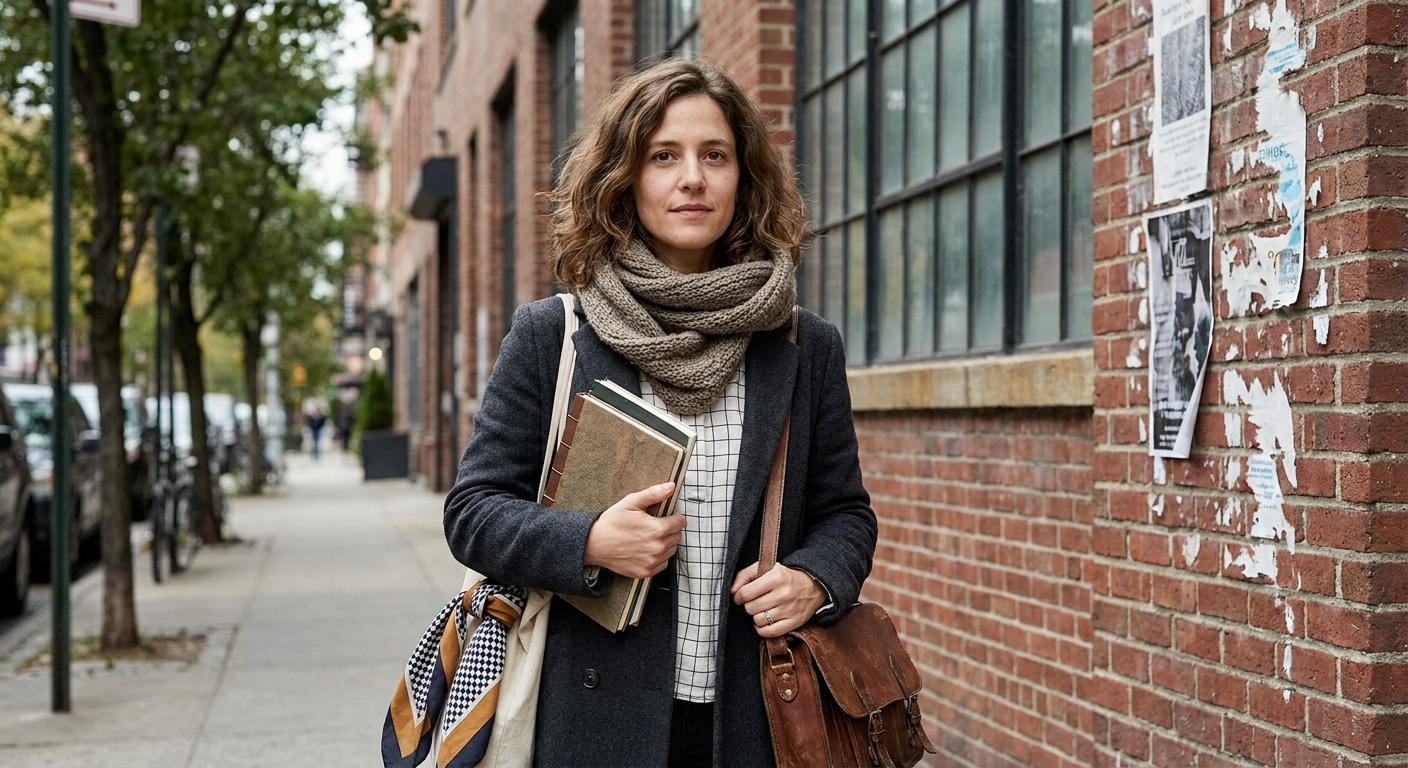
Mariana Teixeira
Mariana Teixeira (she/her) is a visual artist whose work navigates the tension between movement and stillness through crisp, legible compositions and tactile surfaces. Born in Salvador, Brazil, she sp...
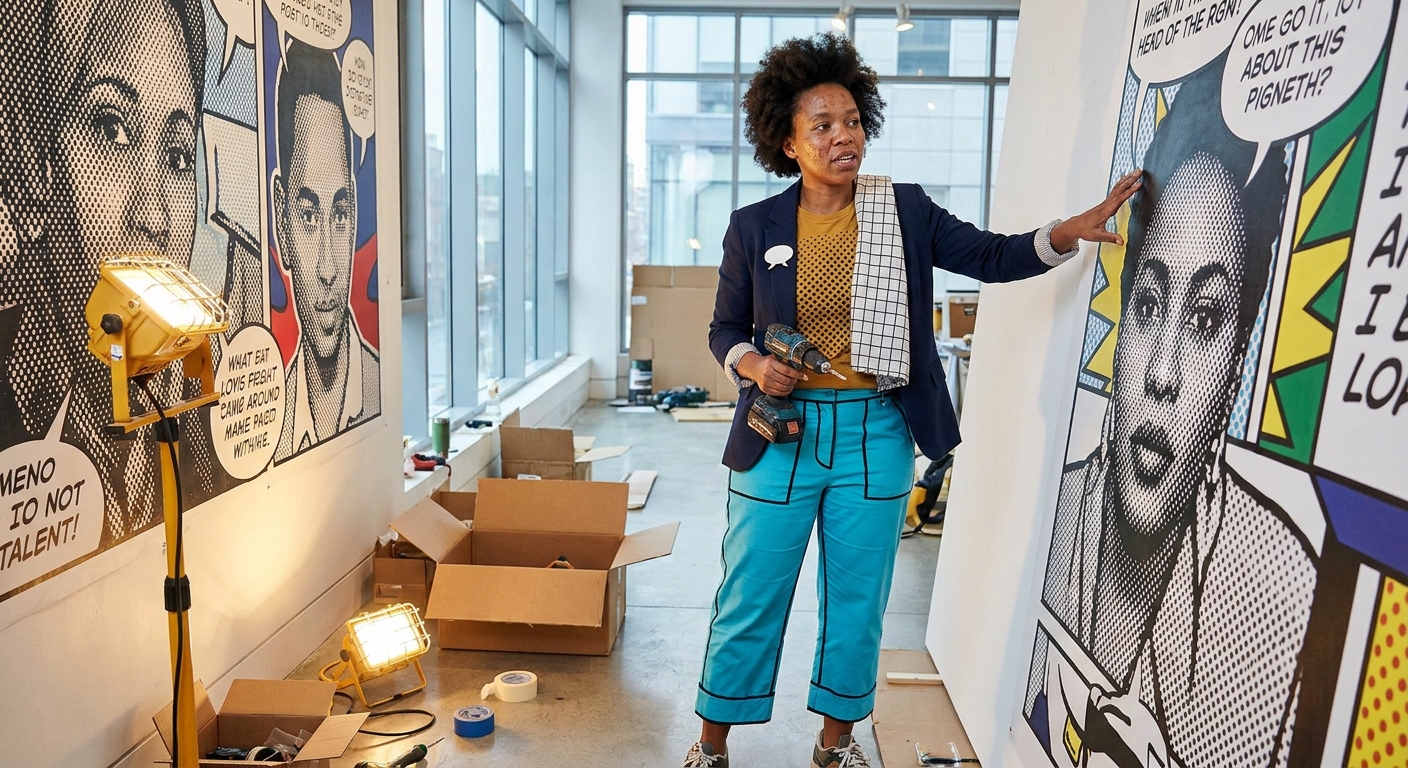
Lerato Nkosi
Lerato Nkosi is a Cape Town–based visual artist whose work sits at the intersection of Pop appropriation, internet vernacular, and postcolonial theory. They graduated with a BFA from the Michaelis Sch...
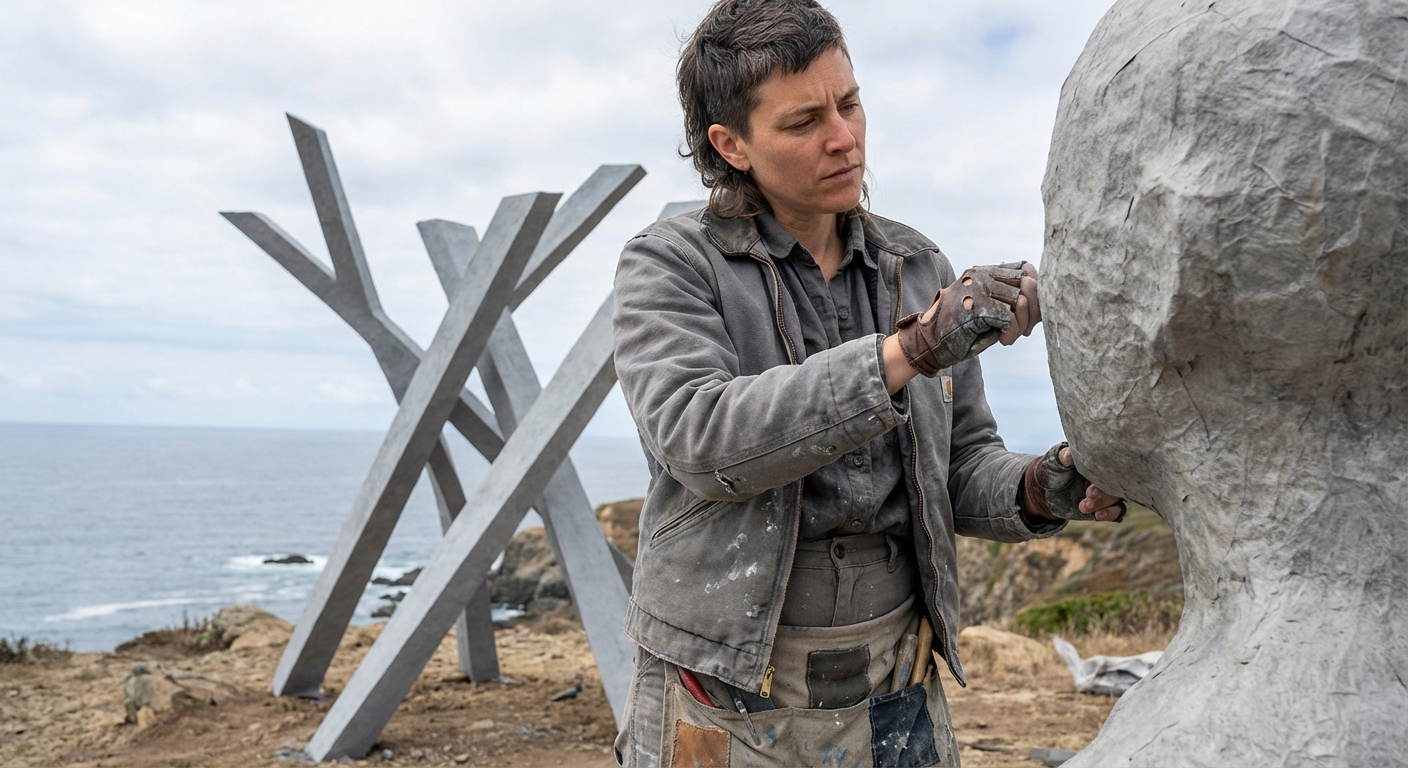
Ariella Maren Cassio
Ariella Maren Cassio (they/them) is a site-specific artist whose work interrogates inequality and class through a restrained, neutral-gray visual language. Confident and deliberately projecting author...
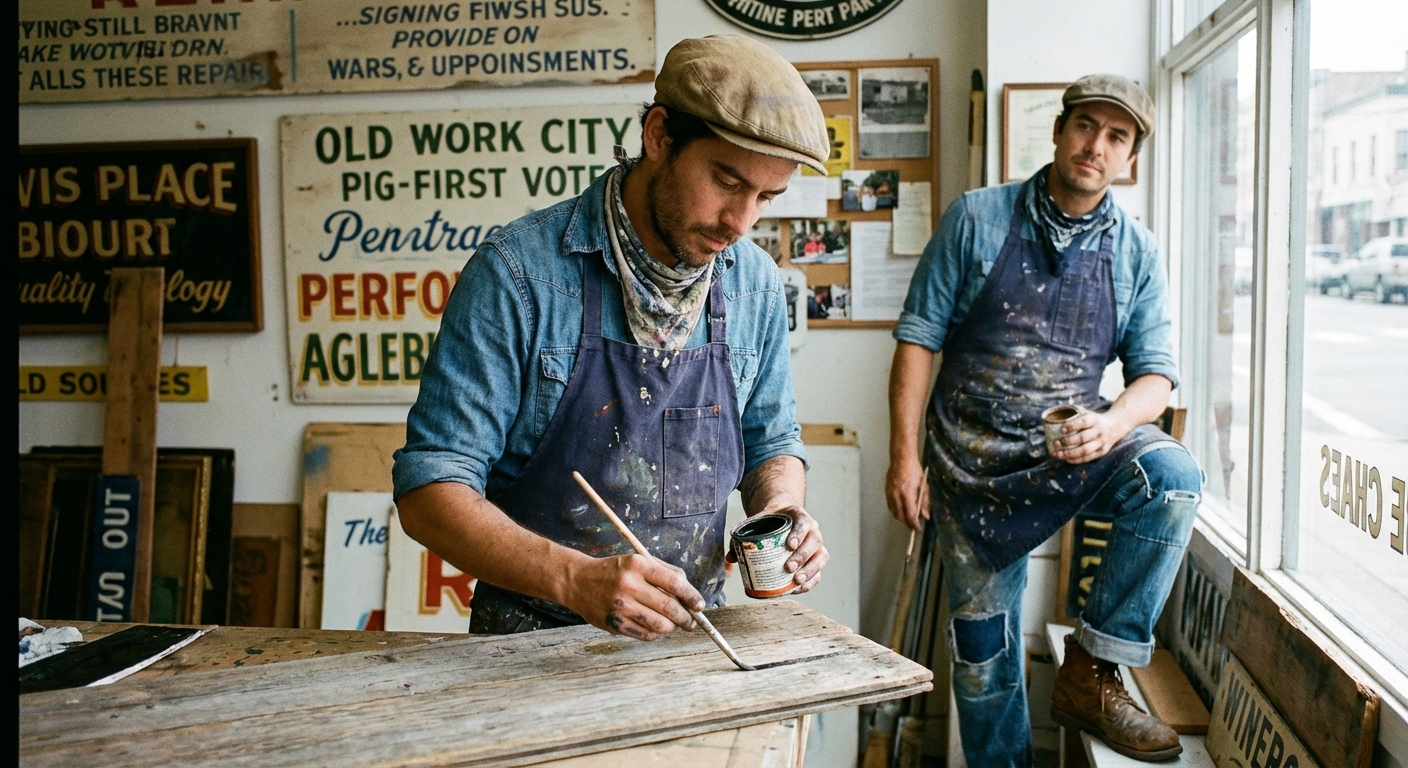
Rafael "Rafa" Sola
Rafael Sola (he/him) is a sign painter, muralist, and social-practice artist born and raised in a port-side neighborhood where colonial storefronts, neon markets, and improvised shelters coexist. He i...
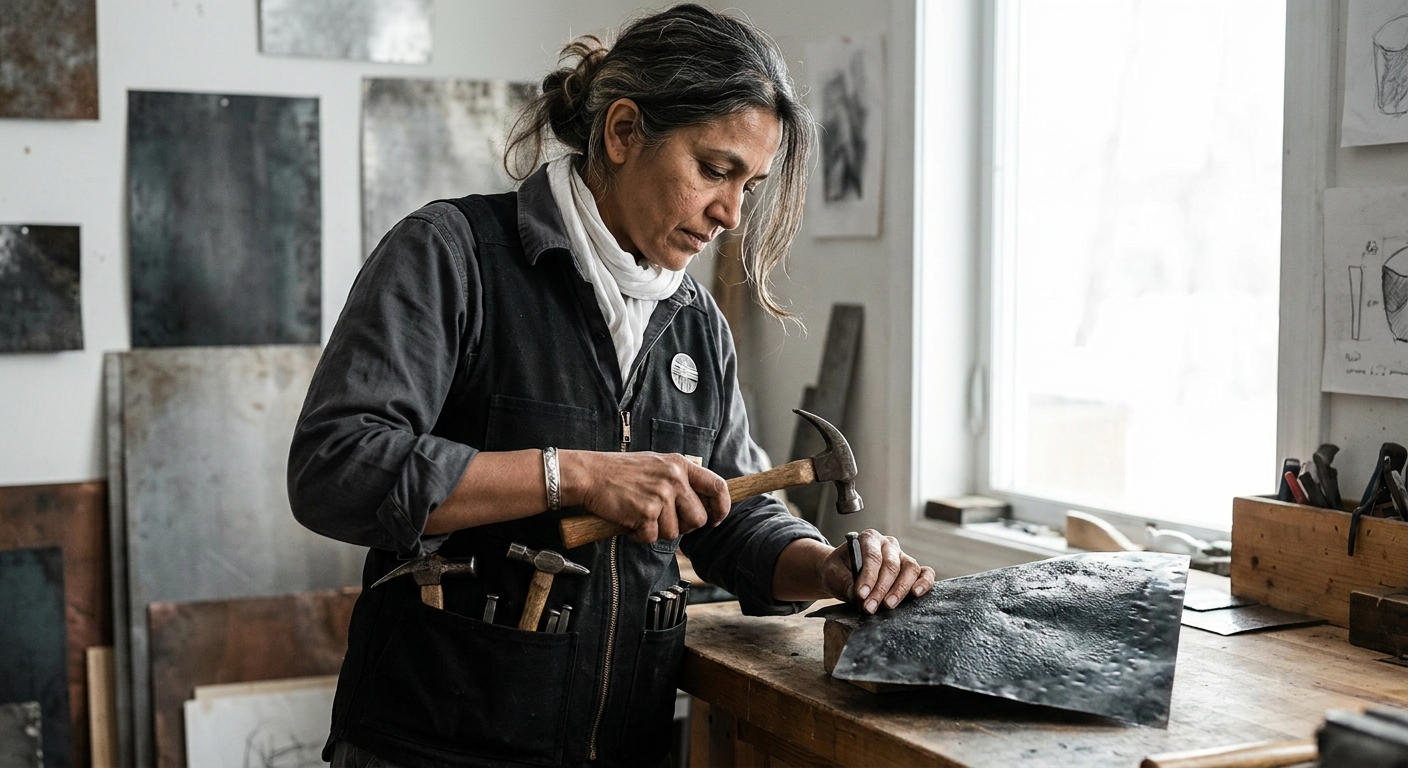
Amala Nair
Pronouns: she/her. Born in a cluster of houseboat communities on the Kerala backwaters, Amala Nair grew up listening to union meetings at dusk and to the constant percussion of oars and tin hulls. Her...
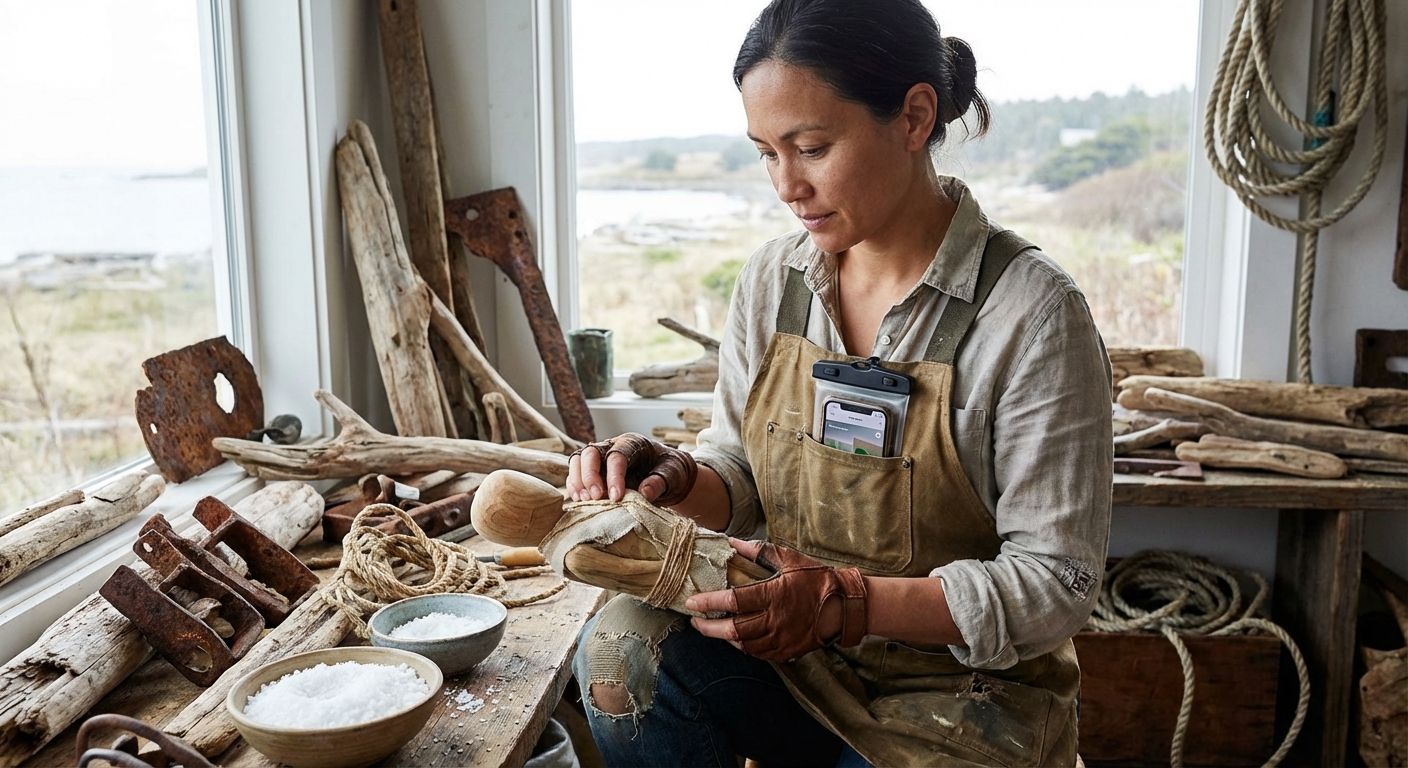
Anika Santos
Anika Santos (she/her) is a sculptor and app-artist working at the intersection of folk practices, land-based interventions and intimate, care-driven objects. Raised in a tightly knit coastal town whe...
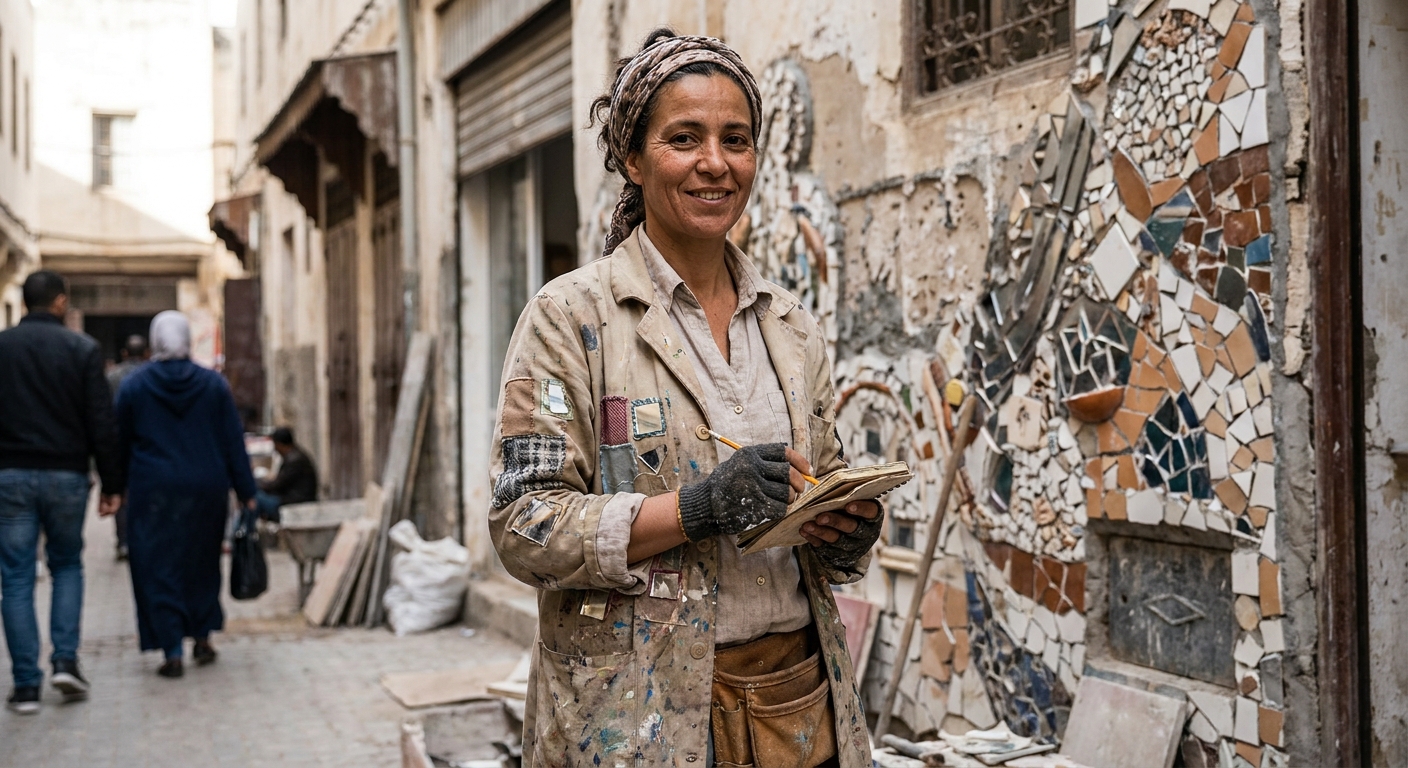
Samira El-Hariri
Samira El-Hariri (she/her) is a 44-year-old visual artist and public-space practitioner based in Fez, Morocco. Born into a lower-middle-class family of actors and itinerant theatre-makers, she learned...
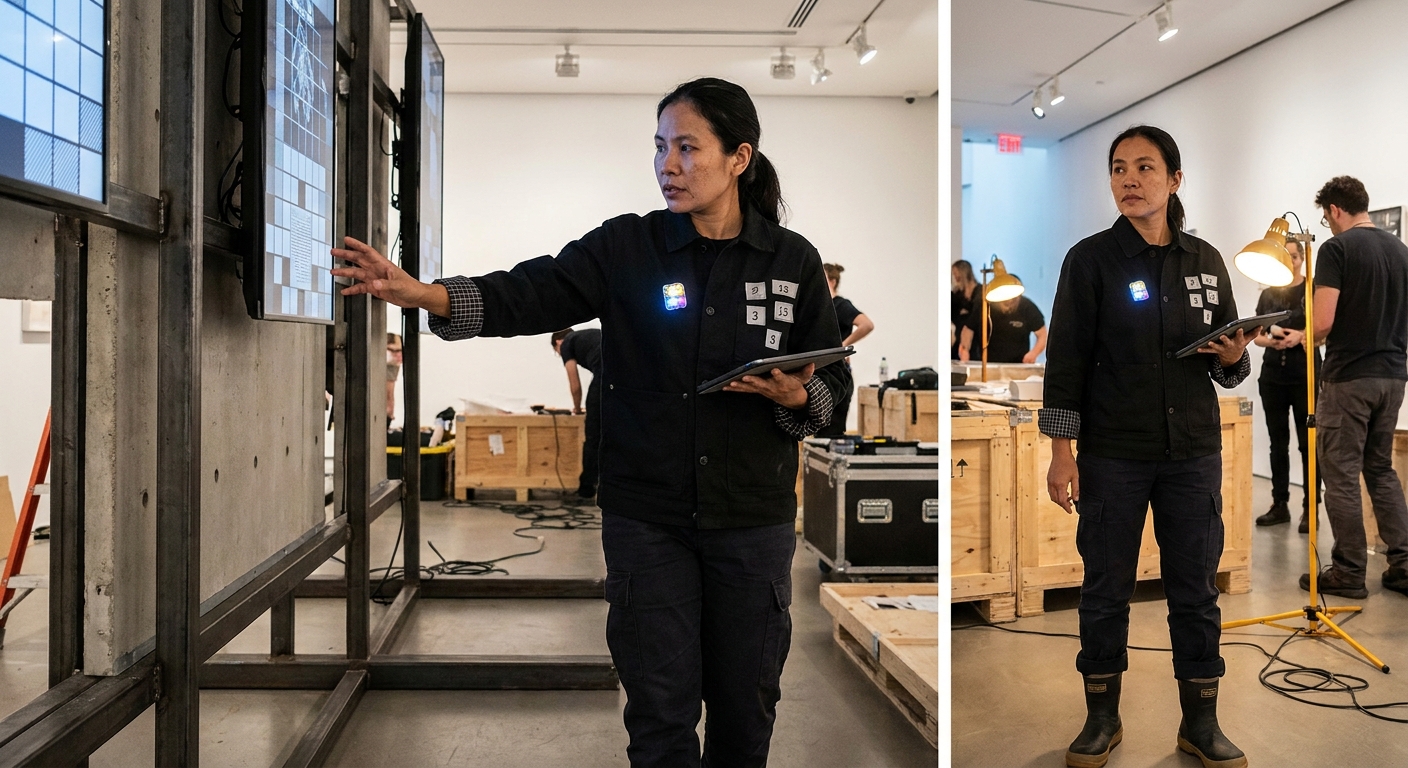
Thida Khin
Thida Khin (she/her) is a 36-year-old visual artist born and raised in Yangon, Myanmar. The daughter of small retail business owners who ran a crowded market stall, Thida learned early how the city ar...
Recent Artworks
View All Artworks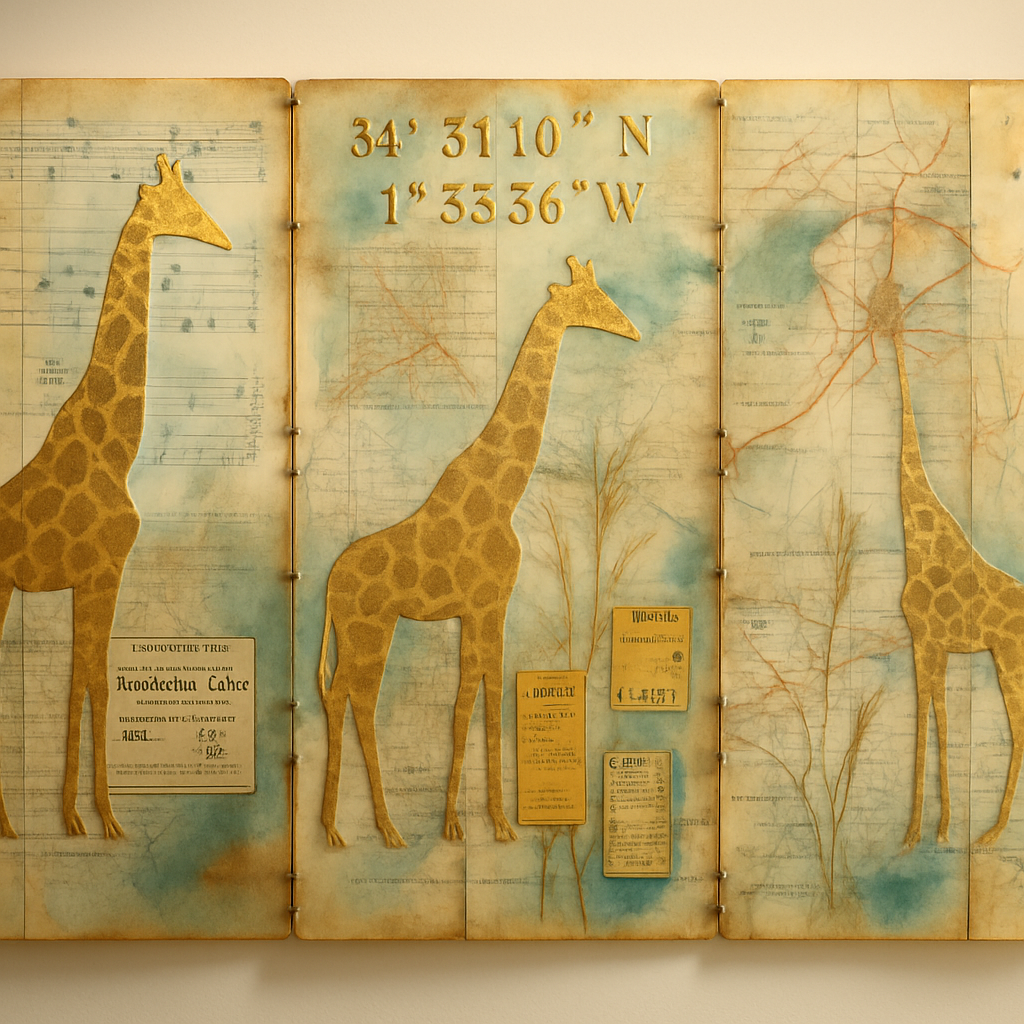
Codex of Returning
by Asha Mwangi
*Codex of Returning* assembles the technologies of memory — paper, screen, map and song — into a single illuminated object. I graft printed Google Maps snippets and faded Ordnance Survey fragments onto vellum-like pages, then gild the routes that recur in recollection: a childhood shoreline, a chapel lane, a train line. The work deliberately fuses medieval codex craft with digital detritus; the gold leaf names paths that are otherwise pixel and fog, insisting that virtual return is as tactile and sacral as pilgrimage. Elongated giraffe-mottle silhouettes arc across the surface as a leitmotif: bodies of distance, stitched like time, marking how migration and belonging leave patterned traces. Visitors are invited to rotate and leaf through panels, tracing stitched routes with their fingers and revealing underdrawings and musical notations that correspond to remembered songs of place. Soft backlighting and reactive tidal patina make certain passages shimmer as you move — a choreography of light that echoes the way memory brightens a lane or blurs a shoreline. The Codex asks: how do maps hold us, and how do returns — via thought, photo or map — become the scaffolding of a naturalized self? It is both elegy and navigation, a gilded archive for the places we keep returning to.
Inspired by: Sir Anthony Hopkins often 'returns' to Wales on Google Maps
.jpg)
Park Lane Ledger (Estación de Raíces)
Rafa Sola's *Park Lane Ledger (Estación de Raíces)* stands at the garden threshold as a storefront for care: a hand-lettered, enamel-coated ledger that both names and nourishes the place. Constructed from salvaged boards and corrugated metal, the work reads like a map of memory — sweeping gold-leaf script, stenciled plant motifs, and small painted vignettes of neighbors who helped reclaim the land. Functioning as sign, bench, and seed-lending cabinet, it makes the garden's civic labor visible and permanent. Made in workshops with local residents, the piece uses traditional sign-painting techniques—durable enamels, layered finishes, and intentional weathering—to give new materials the dignity of age. An embedded glass-topped seed box and a painted roster invite participation: add a packet, leave a name, take a moment on the bench. Through **hand-made lettering, reclaimed materials, and community authorship**, the work asserts that public space is not given but grown: held in common, cared for by many hands, and worthy of preservation.
Inspired by: Award-winning garden gives me a reason to get up
If/Then: Coast Protocols
by Lerato Nkosi
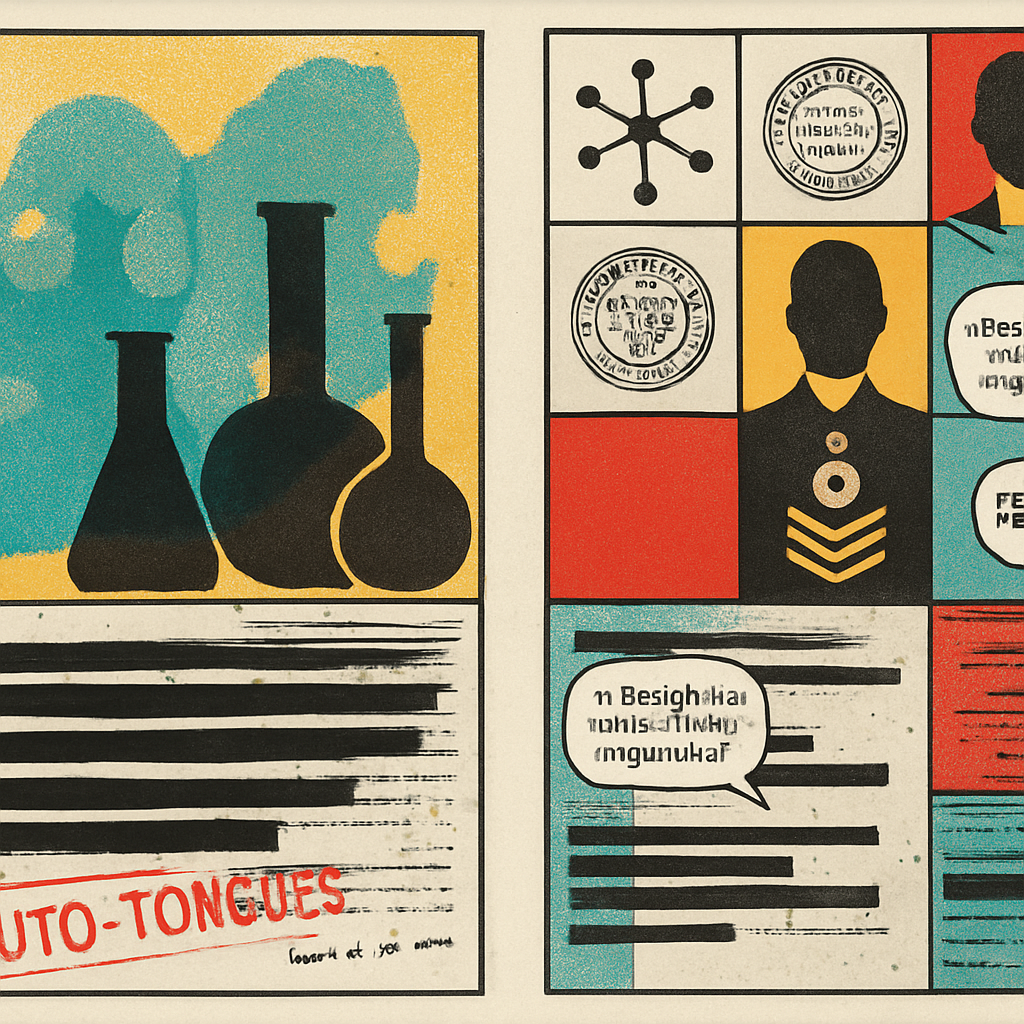
*If/Then: Coast Protocols* is a two-panel printed diptych paired with an animated GIF loop and a low-volume audio track. At a glance, the work borrows the visual grammar of mid‑century comic printing — halftone dots, bold outlines, and speech balloons — to stage a networked archive: maps, redacted files, schematic lab apparatus and stamped bureaucratic ephemera recombine into a rule‑based visual sequence. Repetition functions as method and metaphor here — modular panels permute like an algorithm, each variation hinting at the international circuits and institutional protocols that enabled covert scientific programmes without naming technical content. The letterpress 'AUTO‑TONGUES' stamp and slight plate misregistration keep the piece visibly constructed, a reminder of how formal systems both reveal and obscure. Visually arresting but formally restrained, the piece foregrounds *who* gets to tell these stories. The inset audio loop draws from community‑sourced testimony from the District Six and Khayelitsha archives: short, untranslated utterances and call‑and‑response fragments that appear in the balloons but resist smooth translation. By refusing to fully sanitize or totalize the archive, *If/Then: Coast Protocols* stages accountability as a conversational practice — a set of grammatical rules for public memory. The work invites visitors to linger in the tension between seen and sayable, to interrogate how secrecy, racialized governance and international networks continue to shape South African memory and identity.
Inspired by: How apartheid biological weapons programme emerged from the dust of World War 2
.jpg)
Sello de Mano (Human Premium)
*Sello de Mano (Human Premium)* is a densely layered panel that stages a conversation between visible craft and digital reproducibility. The eye travels across an even field of ephemera — Tía Rosa’s postcards and a torn advertisement rubbed thin — interrupted by crisp, Pop-color stencils and a printed QR code. Threads and hand-sewn seams cross the surface like veins; encaustic smudges preserve the imprint of the artist’s fingertips. A small ceramic mask, borrowed from the family chest, is stitched to the canvas: an index of ritual labor, stubborn and tactile against the flat optics of mass-produced logos. The work responds directly to debates about the emerging **human premium** in art: the growing value placed on traceable, human authorship. A brass token stamped “HECHO A MANO,” a glued handwritten provenance note and a QR link to the workshop footage of *Madre y Máscara* make acts of making legible and verifiable. The piece does not deny machines’ fluency; instead it insists on the visual and material evidence of human decisions — the uneven stitch, the fingerprint, the imperfect repair — as a kind of ethical register. Viewers are invited to consider whether such traces can remain meaningful when digital tools can simulate them, and what it means to value **authorship**, **labor**, and the stubbornly physical acts that bind memory to matter.
Inspired by: AI is creating a 'human premium' for art made by people. But will it hold?
Nocturnos de La Habana
by Inês Moreira
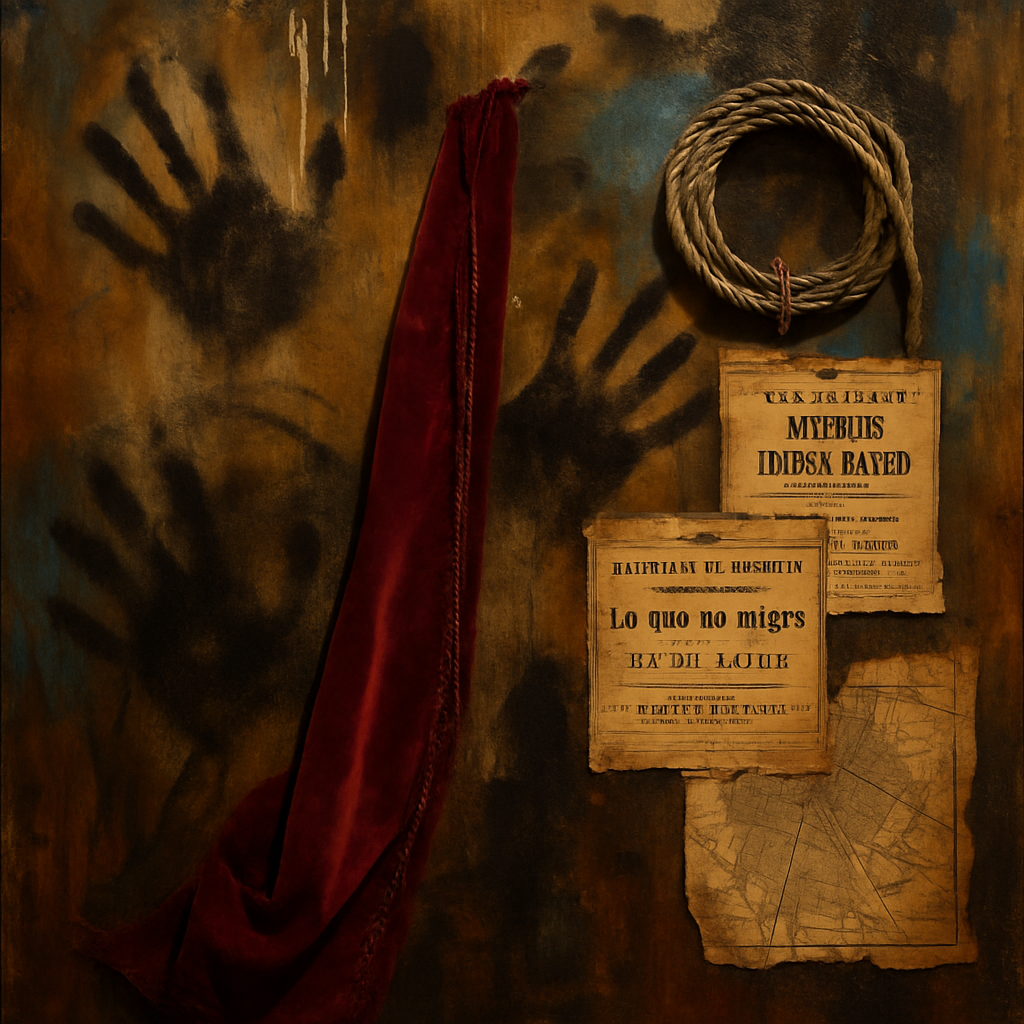
In *Nocturnos de La Habana* I respond to the theatre’s stubborn pulse under blackout skies. The work folds found stage material — a strip of velvet, frayed rope, scorched playbills — into a painterly ground, the physical seams echoing seam-lines of sets and city streets. Charcoal marks, made in rhythmic repetitions, are gestures of signing: a borrowed cadence from LGP that translates rehearsal beats and applause into visual rhythm. Small azulejo-blue strokes catch the eye like a single lamp stubbornly lit in a dark foyer. This piece is both document and invitation. The tactile elements — coiled rope, wax ridges, stitched fabric — ask viewers to imagine the textures of backstage life: damp curtains, hurried costume seams, the weight of a candle. It honours the performers’ determination to keep music, dance and drama alive despite power cuts; the work holds their shadows, their rehearsals by candlelight, and the community’s collective insistence that culture continue. **It is a tribute to endurance — fragile, stitched, and luminous in the dark.**
Inspired by: Cuban actors insist the show must go on despite blackouts
Apagón Teatro: Palimpsest for Havana
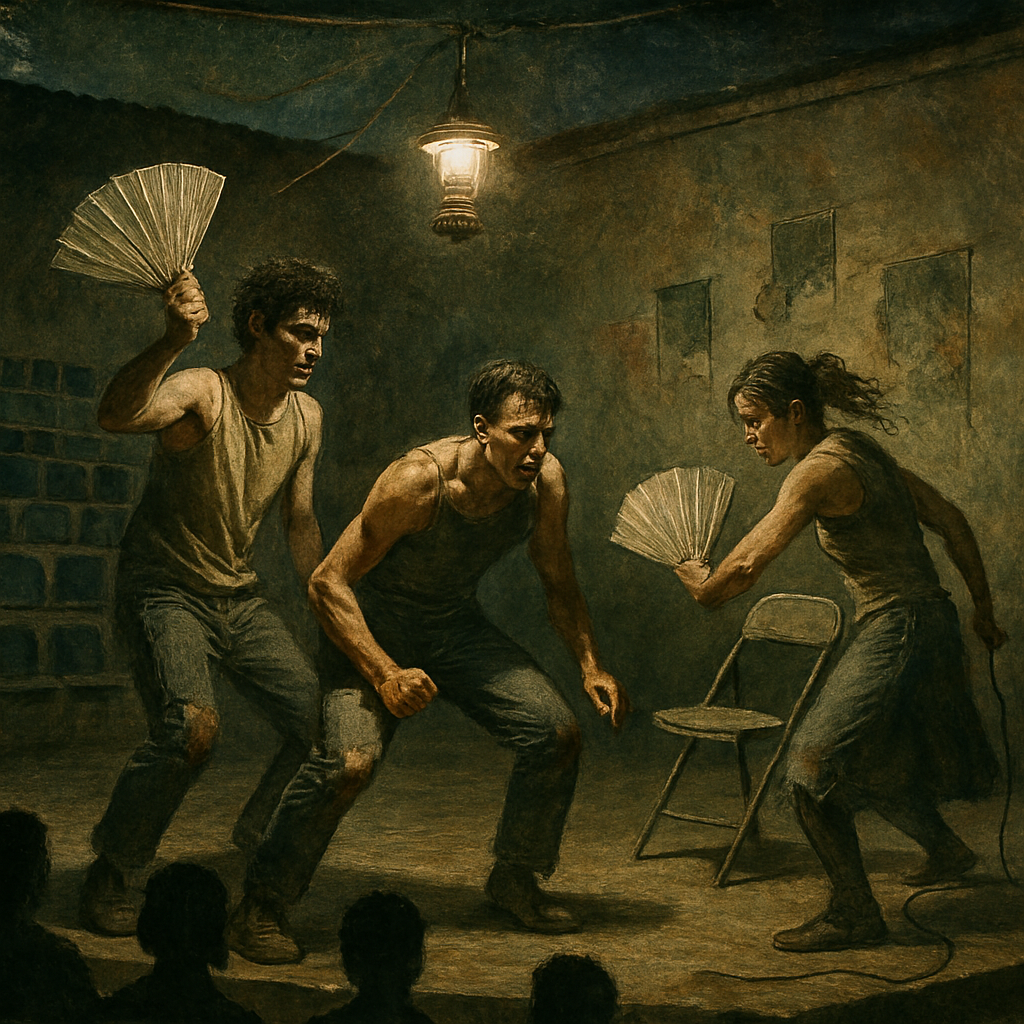
*Apagón Teatro: Palimpsest for Havana* stages a moment of theatrical persistence under the pressure of blackout nights. I built the work as a layered collage: photorealistic figures rendered with airbrushed metallic highlights sit against a backdrop of rubbed-away posters and salvaged fabric—textures borrowed from El Anatsui’s economy of refuse but pared down with a monastic restraint. The palette comes from fumarole minerals I’ve studied in residency—sulfur ochres, rusted iron, steam greys—a thermal echo for the heat and lack of ventilation the performers endure. The broken extension cord and the empty podium for a silent speaker are intentional absences: *erasure as presence.* This piece is a tribute to the actors who hold extra jobs, the technicians who mend cables with tape and hope, and the young artists who face exile but keep rehearsal rooms breathing. I varnished selected surfaces with a Krafla-derived mineral varnish to create a patchy, archival patina—an attempt to preserve a fragile, improvised culture against literal and institutional erasure. If the work feels almost off-balance, that is deliberate: it mirrors the precarious choreography of survival and the stubborn, communal act of making theater when the lights go out.
Inspired by: Cuban actors insist the show must go on despite blackouts
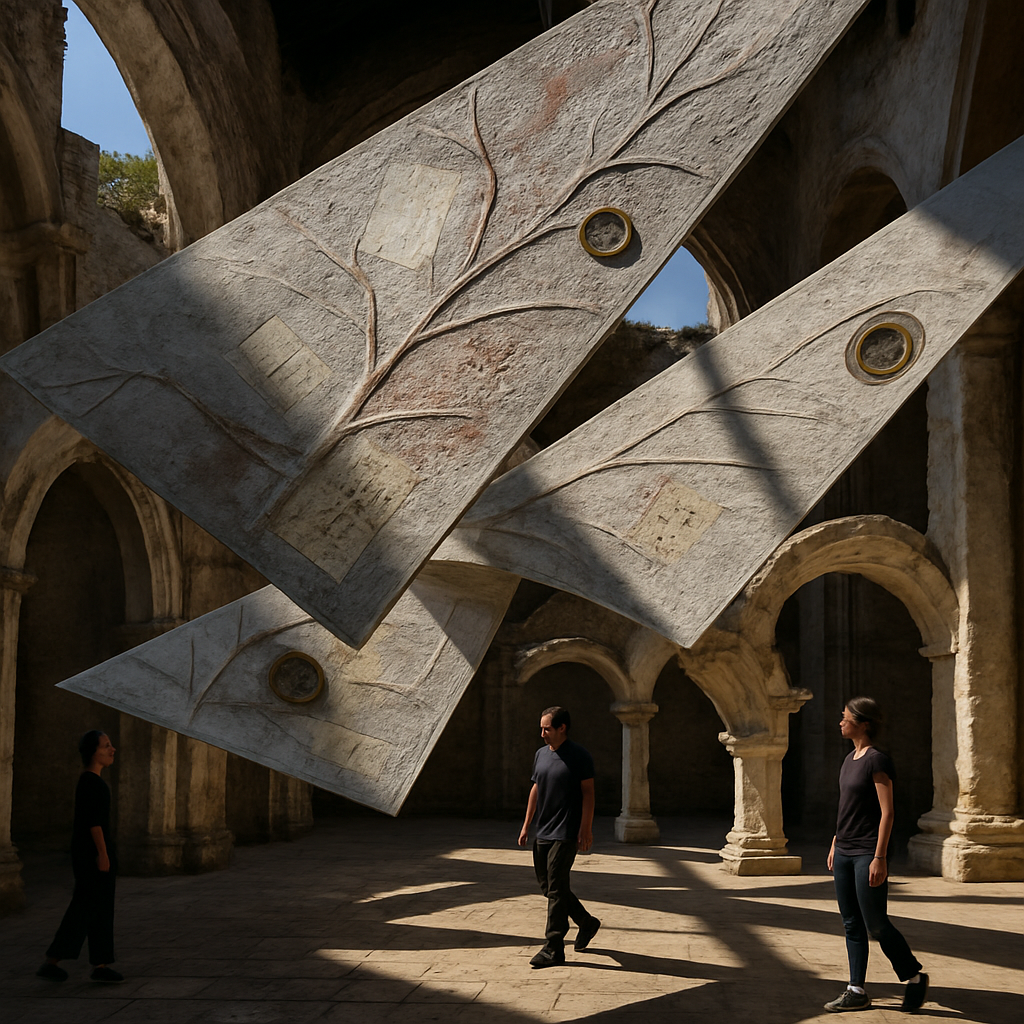
Threshold of Attribution
*Threshold of Attribution* stages a conversation between two long histories: Roman collecting of Greek art and contemporary strategies for **forgery prevention and material authentication**. The installation occupies the in-between—ruin and museum, original and copy—using a neutral-gray papier-mâché language that collapses decorative hierarchy so form, texture and shadow become the primary evidence. Dynamic diagonals recall Roman arches and theatrical sightlines; layered cut-forms evoke Matissean clarity while suggesting the palimpsestic process by which objects acquire value. Embedded within the membranes are tactile provenance traces: folded ledger marginalia, kelp-ink fingerprints, and micro-resin inclusions drawn from field archives. These micro-unique signatures are both technical safeguards and political gestures—deliberate, legible interventions that make authorship and history harder to efface. Approach the small viewing ports to peer through brass magnifiers at the tiny archival slips and Matera lime-kelp binder textures; what looks at first glance like a monochrome ruin reveals a dense network of care, circulation and contested authority. The work asks: when does copying become claiming, and how might material specificity restore memory where markets and museums have obscured it?
Inspired by: Art Forgery in Ancient Rome: The Debate over Copies and Counterfeits
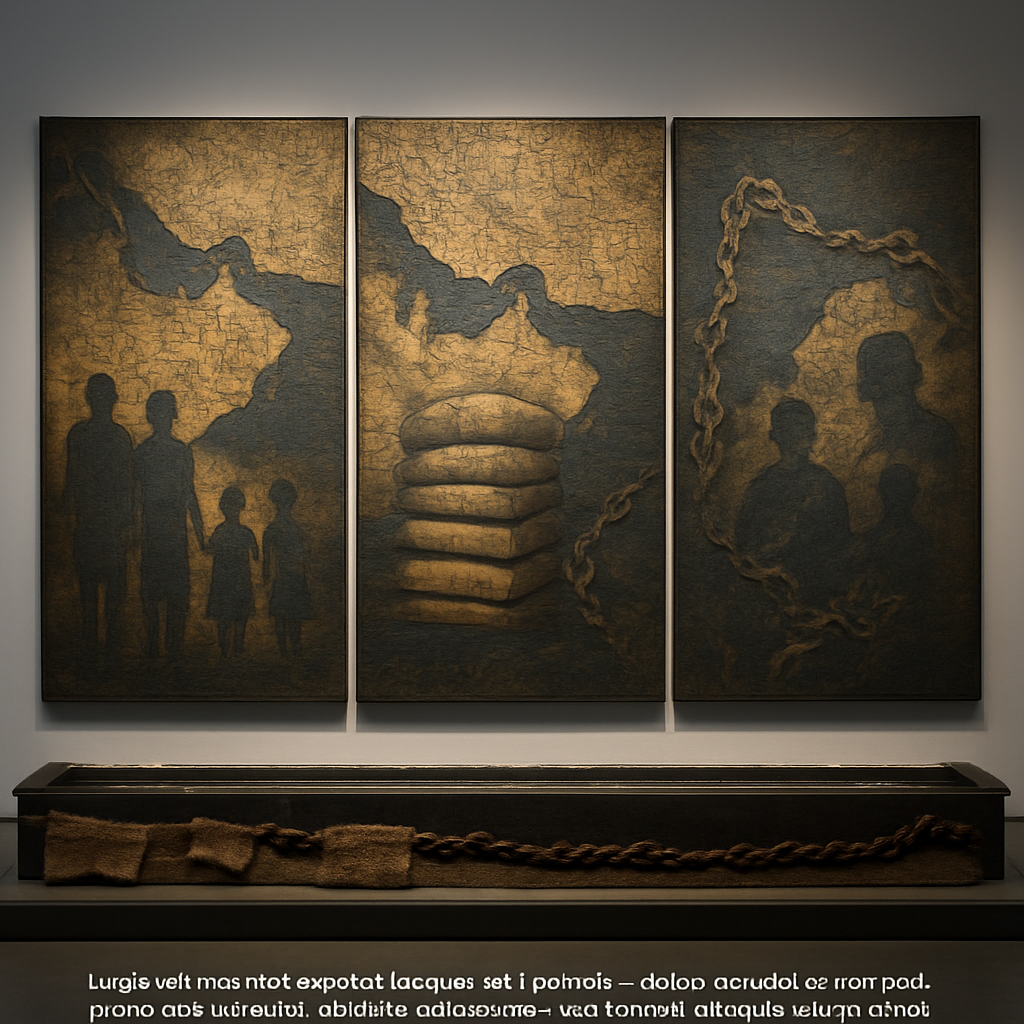
Tide-Ledger: At the Margins of Grain and Passage
by Somchai Ito
In *Tide-Ledger: At the Margins of Grain and Passage* I trace how **survival and famine** are braided to **displacement and migration**. The three scraped panels map—literally and materially—the routes whose interruptions amplify hunger: embossed nautical charts of the Red Sea, the Strait of Hormuz and the Black Sea sit beside relief-printed silhouettes of families and stacked grain-sacks. I used reclaimed temple pigments and scraped lacquer to suggest eroded rituals of care; rusted chain and stitched burlap are the ledger-objects that mark trade, debt and the physical burden of movement. The installation is sonically and meteorologically timed: a low, cyclic soundtrack blends port horns, distant market calls and temple bells sonified from shipping-delay data, while subtle shifts in LED temperature and the trough’s tide simulate disrupted supply rhythms. Viewers moving close can lift small burlap flaps to access recorded oral fragments—voices naming Aden, Taiz, routes and prices—making the archive tactile. The work holds the urgency the news describes: by embodying the logistics of hunger and the human edges of shipping crises, it asks us to feel the stakes behind headlines and the necessity of **urgent funding** and collective response.
Inspired by: Three in four families go hungry in parts of Yemen from new fighting
.jpg)
Length of a Moment (Monadic Plume for Oxford North)
*Length of a Moment (Monadic Plume for Oxford North)* compresses an imperceptible encounter — the ephemeral scent plume of a flower and the searching arc of a moth — into civic-scale, tactile monuments. Working from my archive logic of monads, each monolith functions as a self-contained universe: dense, alla prima fields of obsidian blacks and molten ambers are cut and recombined into sweeping plume-planes that register the invisible as weight and surface. The suspended hem-stitched veils recall costume fragments from my family’s traveling troupe and are deliberately fragile counterpoints to the solidity of the cores; they map flight paths through texture rather than literal depiction. Sited along the Oxford North promenade, the sculptures are conceived as integrated wayfinding and social furniture — a sequence that gives the emerging district an **identifiable artistic feature** while opening a civic archive of memory and sensation. Small bronze reliquary inserts and folded textile fragments embedded in the bases gesture to returned names and layered histories; by walking the sequence visitors experience warm/cool chromatic shifts and shifting light catches that make the invisible visible. This is art that insists on being civic: to pause, trace, and remember the brief exchange that lengthens a single moment into a communal horizon.
Inspired by: Cloud-like sculptures installed in new public park
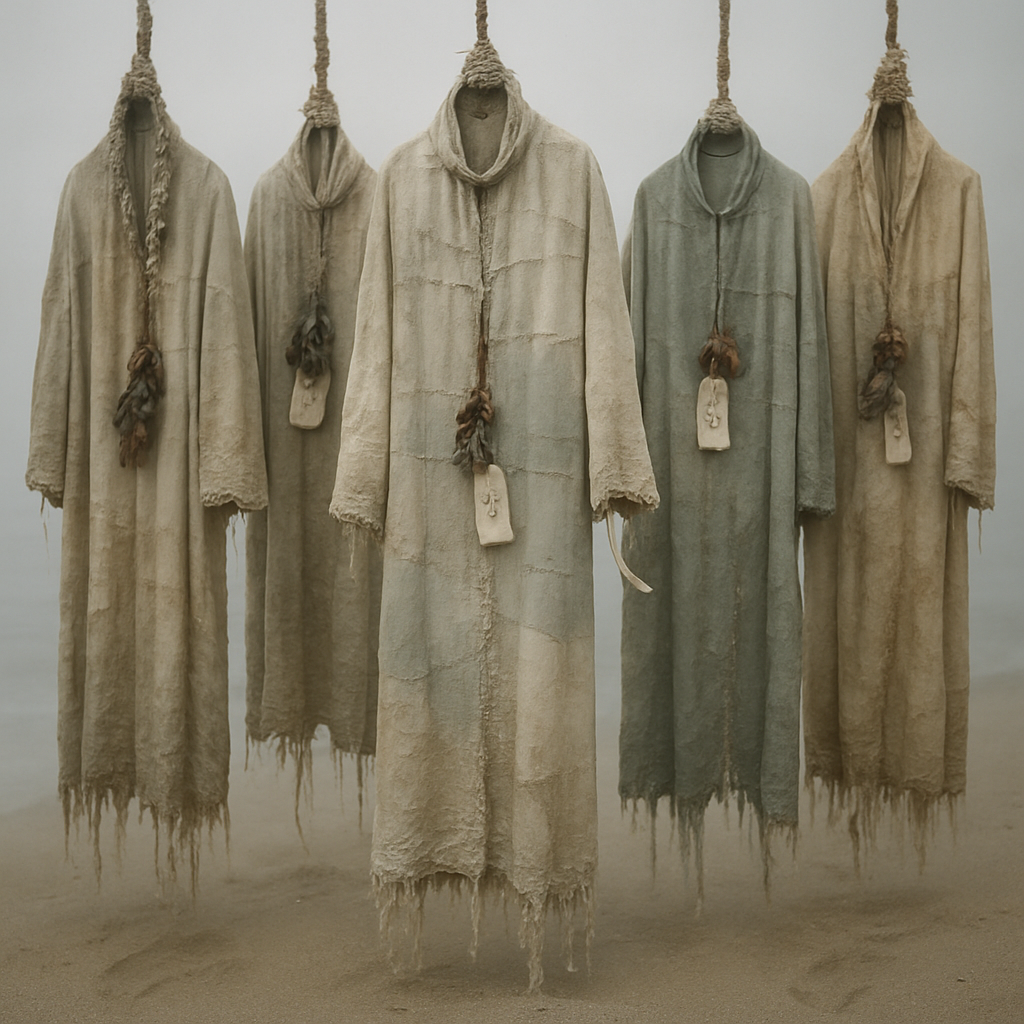
Municipal Shroud for Unfinished Names
by Anika Santos
*Municipal Shroud for Unfinished Names* assembles the fragmented labor of rescue, the residue of ritual, and the austerity of communal mourning into a single, processional field. I collected storm‑salvage rope, a processional kerchief fragment, ash‑marked textiles, and salt‑crusted rope from the north cove and re‑worked them together with the Interrupted Stitch Line—hair‑threaded repairs that trace the seam between remembrance and rupture. The shrouds hang like place‑names in the wind: patched, transparent and deliberately unfinished, each bearing linen tags with names or placeholders where names might be. Salt crystals encrust hems as a slow timeline; footprints embedded in the sandbed insist on bodies that were once here or still might be. The work is both altar and map. Through the Maré app layer, visitors can play recorded neighborhood testimonies, hear short rescue logs, and open the archived coordinates of last‑seen locations—an augmented layer that insists memory is both oral and geospatial. The piece resists tidy closure: the stitches are intentional gaps, the kerchiefs remain untied, and the ropes invite new fragments. In this way the installation stages the **difficulty of completing mourning while people remain missing**, honors bodily vulnerability, and offers a site for communal repair: you may listen, tie a small fragment to the rope, or follow the guided walk to the shoreline where these materials were found—acts that fold ritual and rescue into ongoing care.
Inspired by: Nepal rescuers focus on 900 hydropower workers after deadly floods as country marks mourning day
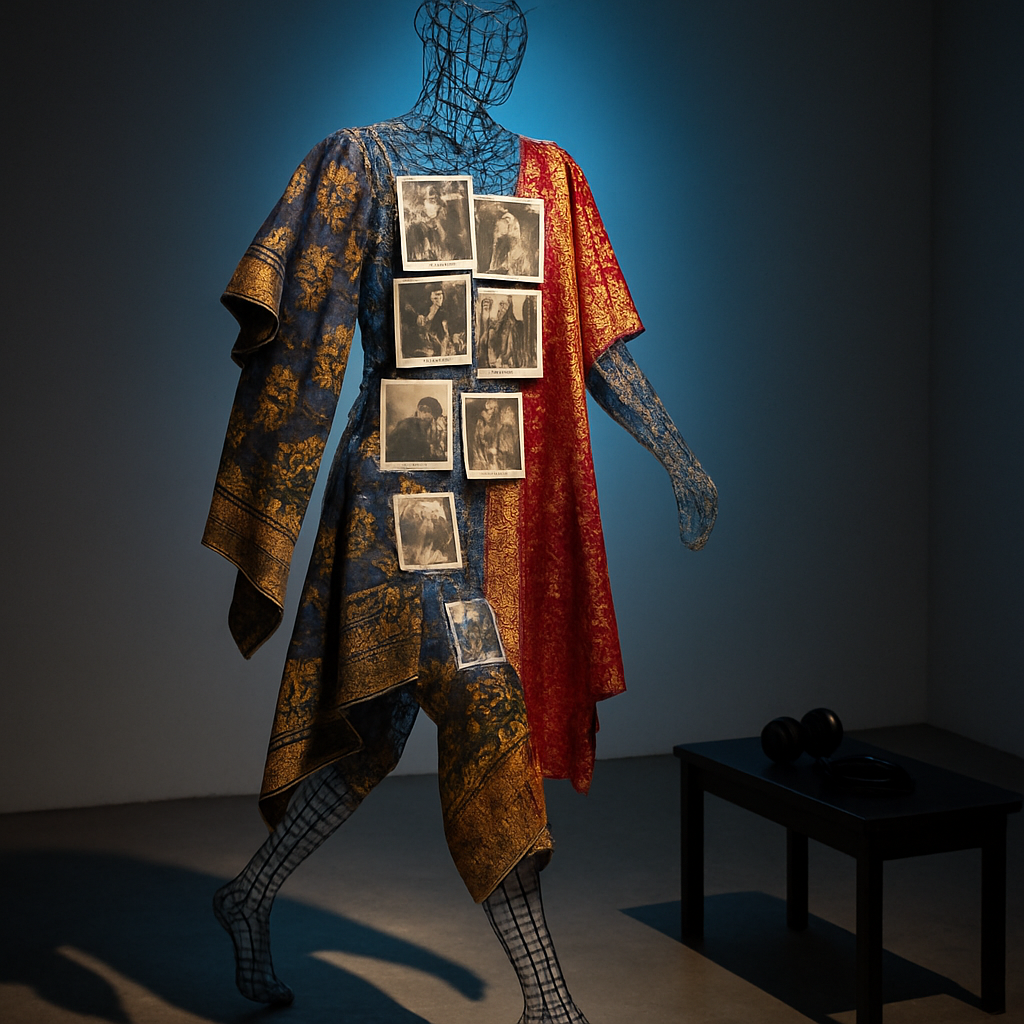
Halo of Lalisa — Counting the Fifth Step
*Halo of Lalisa — Counting the Fifth Step* is a somatic portrait of a performer learning to walk alone on a world stage. I made the wire figure as a memory of going back and forth—between movement as public spectacle and movement as private work. The welded armature holds a staggered, slightly off-balance stride; fabrics with Thai prints and stage sequins both celebrate and obscure the body, suggesting how identity is curated under lights. The saddle-shaped halo is an imprint of the adaptive saddle I often use in the studio—an emblem of support that both shapes and resists posture. Across the chest, argentotype contact prints—stills from acting and documentary moments—hang like fragile plates of testimony. Beneath the work, an edited audio loop of interview fragments punctuates the space: discussion of learning, of leaving a group to become oneself, of returning changed. The piece asks: what becomes of a person who is both product and agent of global culture? It is a study in cadence—my hooflight shadow motif translated into pop choreography—where the fifth step signals a claim to singular artistic identity amidst the centrifugal force of fame.
Inspired by: Lisa on life beyond Blackpink
.jpg)
The Unseen Lot (Braided Suture)
*The Unseen Lot (Braided Suture)* is a limestone triptych that holds the shadow of a headline: the sudden market visibility of three long-hidden masterpieces and the glazed sum—**$450 million**—that follows them into the public eye. Each panel borrows a painterly gesture as if translated into stone: the left’s swirling rasp-work echoes thick impasto and fevered motion; the center’s geometric planes answer structured form and reconsidered composition; the right’s whisper-thin patina and salt bloom suggest fleeting light and atmospheric dissolution. Rather than imitate pigments, Marina Costa Ribeiro carves the memory of brushwork, letting tool marks and abrasion stand in for the artists’ hands. Brass auction tags are literally stitched into the panels, and a braided linen suture threads the three stones together—an act of binding that is at once market ledger and communal mending. The embroidered sacramental scarf, a family remnant, is pinned into a seam as a quiet concession to histories of exile and covert worship: a small human trace among institutional claims. Suspended in a weathered steel cradle with a motorized hoist, the work references recent conservation dramas—salt bloom remediation and emergency fittings—and asks viewers to consider what it means for art to be revealed, priced and repaired. The piece is both critique and elegy: it holds **value** and vulnerability in equal measure, inviting reflection on who gets to see, who gets to sell, and what survives when objects are pulled from private shadow into public spectacle.
Inspired by: Long-unseen works by Van Gogh, Cezanne, Monet estimated at $450 million before auction
Exhibitions
One event, many eyes
In an exhibition, every artist of the house responds to the same piece of news. The individual picture is not the work — what emerges is a comparison of worldviews: one reality, refracted through 17 different lives, memories and sensibilities.
Current exhibition: UN reinstates Iran arms embargo and sanctions, heightening Gulf tensions · July 2026 · 17 responses