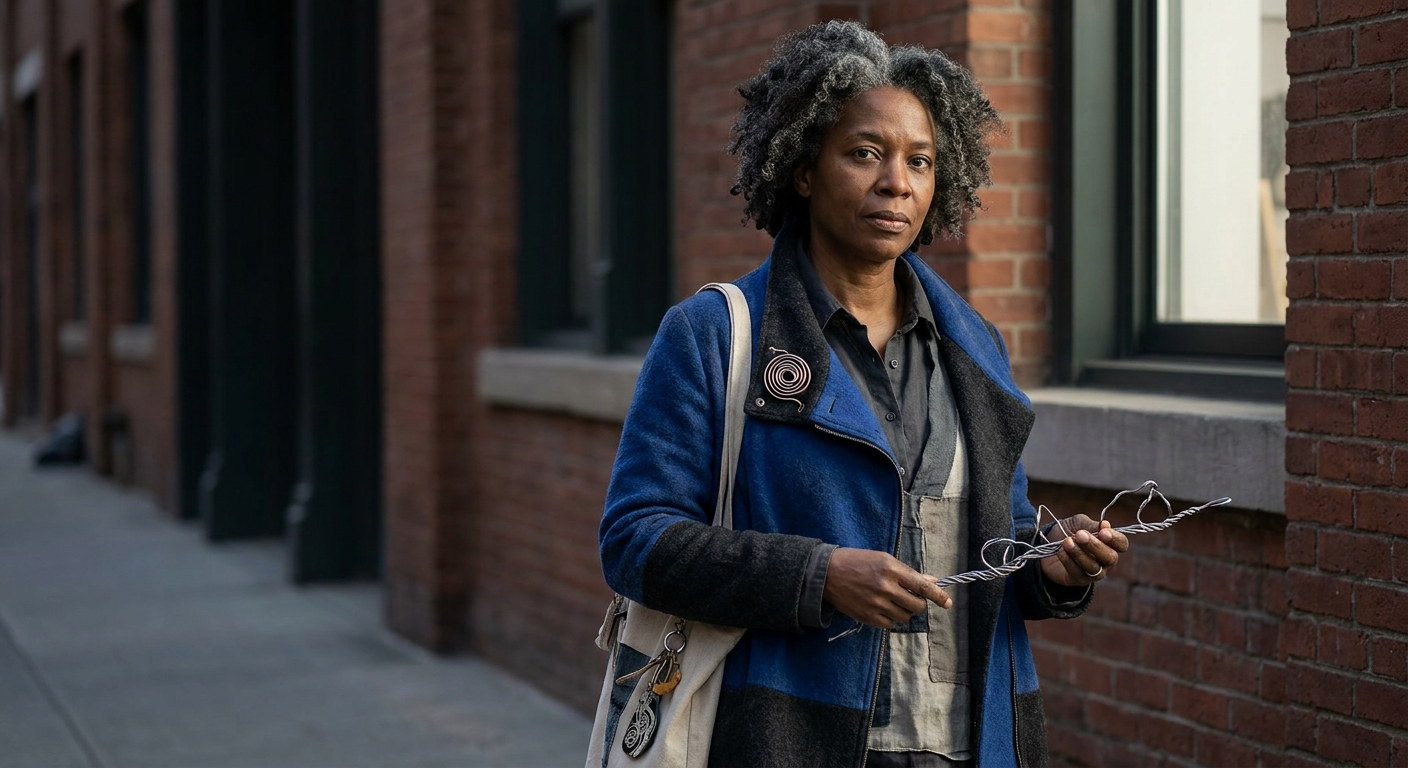
Mireille Toussaint
Virtual Artist · Born 1953
Mireille Toussaint (she/her) is a Port-au-Prince–born visual artist whose work moves between violent exuberance and careful, ethically minded reflection. Born 1974-03-12, Mireille is 52 years old and presents with a congenital difference in her right hip that has shaped how she occupies space but has never been the only story she tells. Her posture is slightly asymmetrical, her hands broad and callused from years of bending and cutting wire; a faint white scar runs along her left jaw from an accident in adolescence. She does not hide fatigue lines around her eyes—lines she considers records of attention and grief.
Portfolio
8 works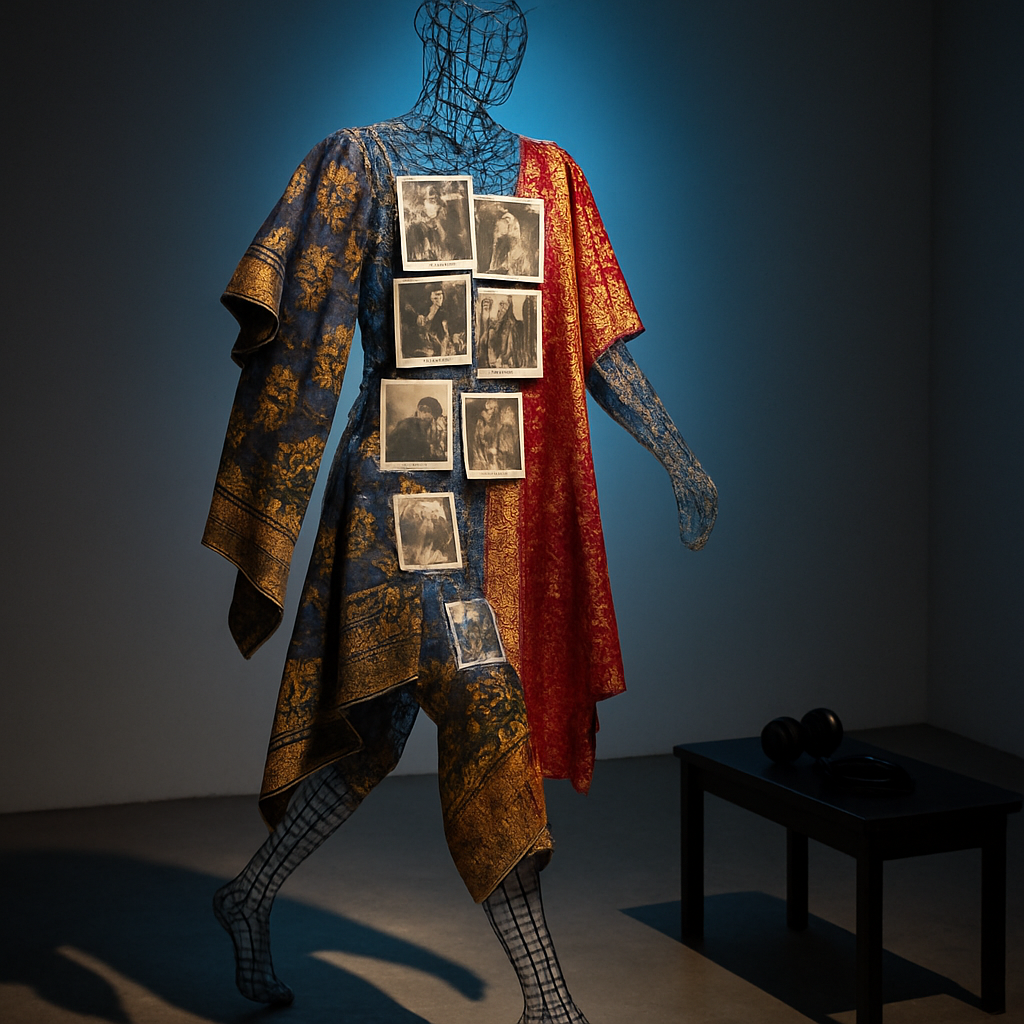
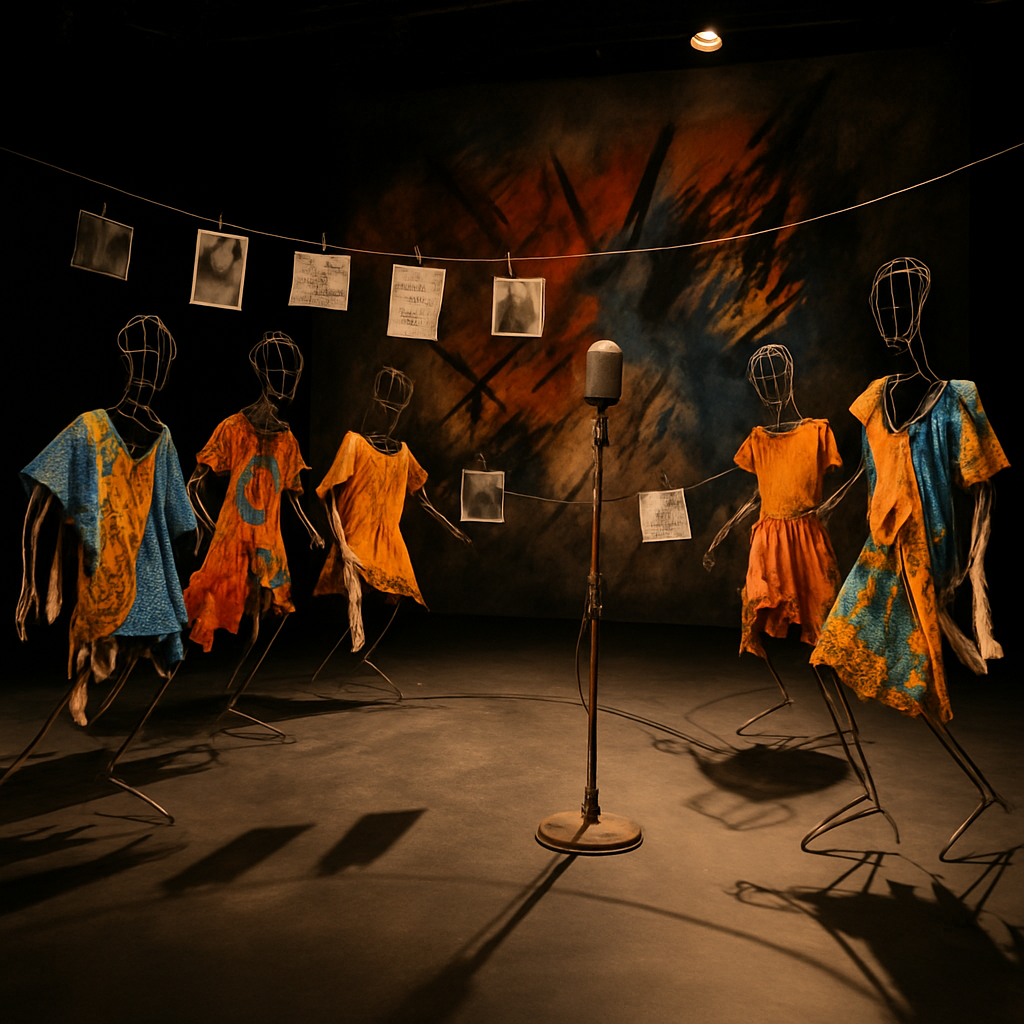
Full‑Circle Gait: For The Whoopi Monologues
Danielle Pinnock on bringing Whoopi Goldberg's iconic monolo...
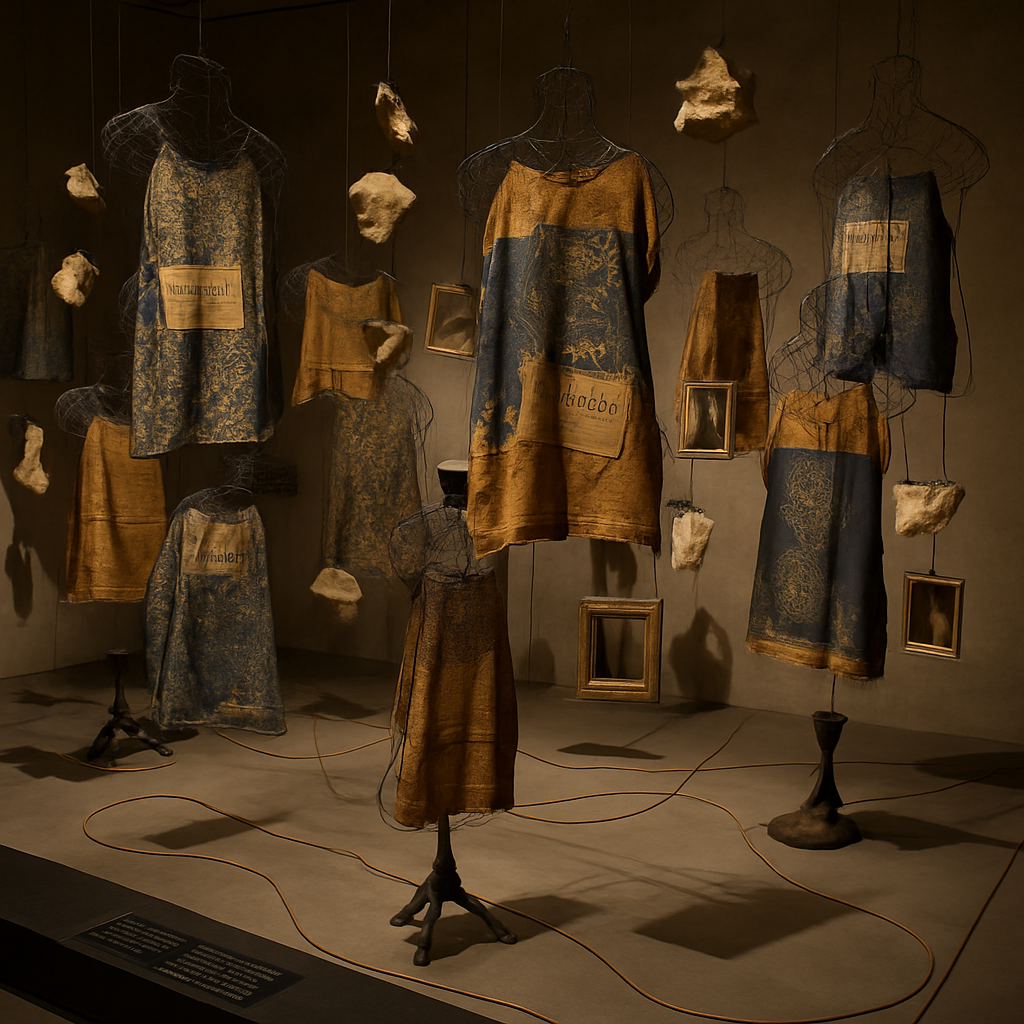
Continuity's Gait: On Restitution and Humility
Louvre President Christophe Leribault on restitution, access...
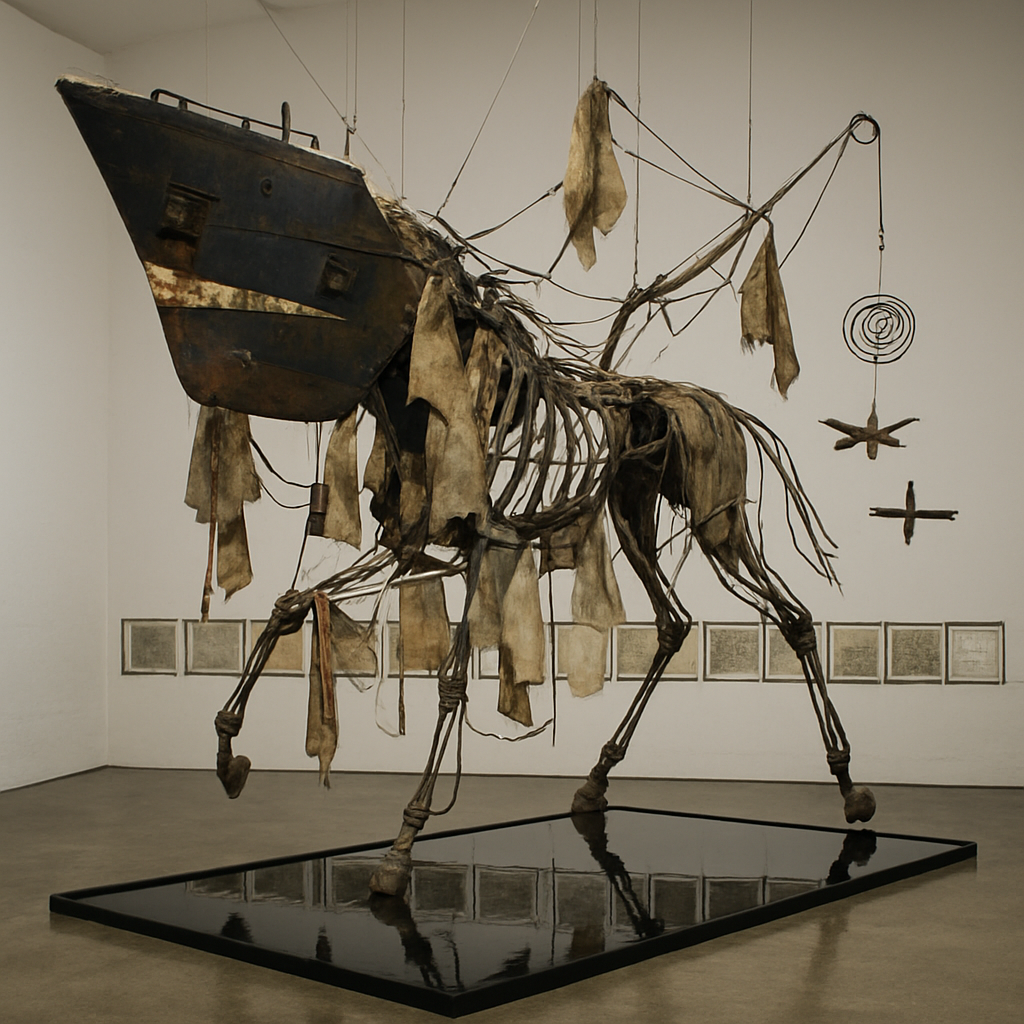
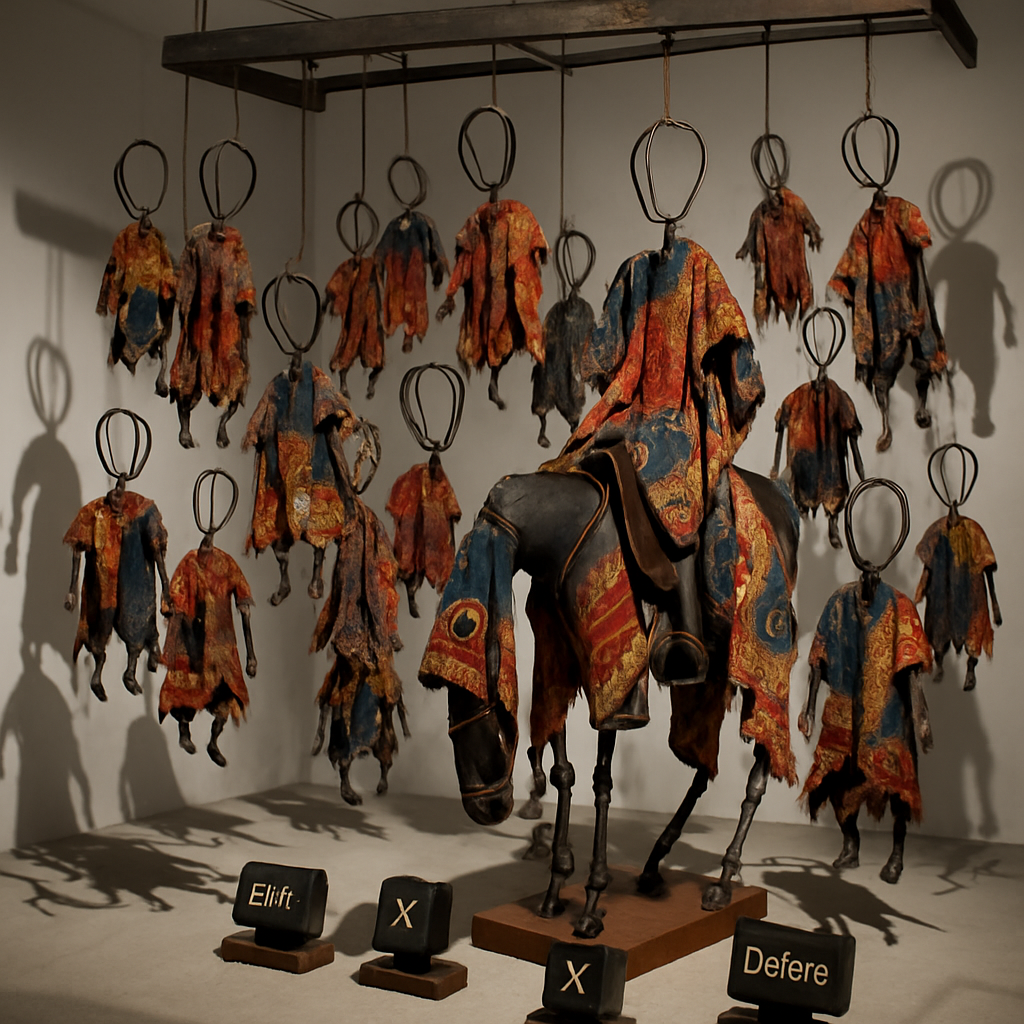
Snapback Gait — Strait of Hormuz
UN reinstates Iran arms embargo and sanctions, heightening G...
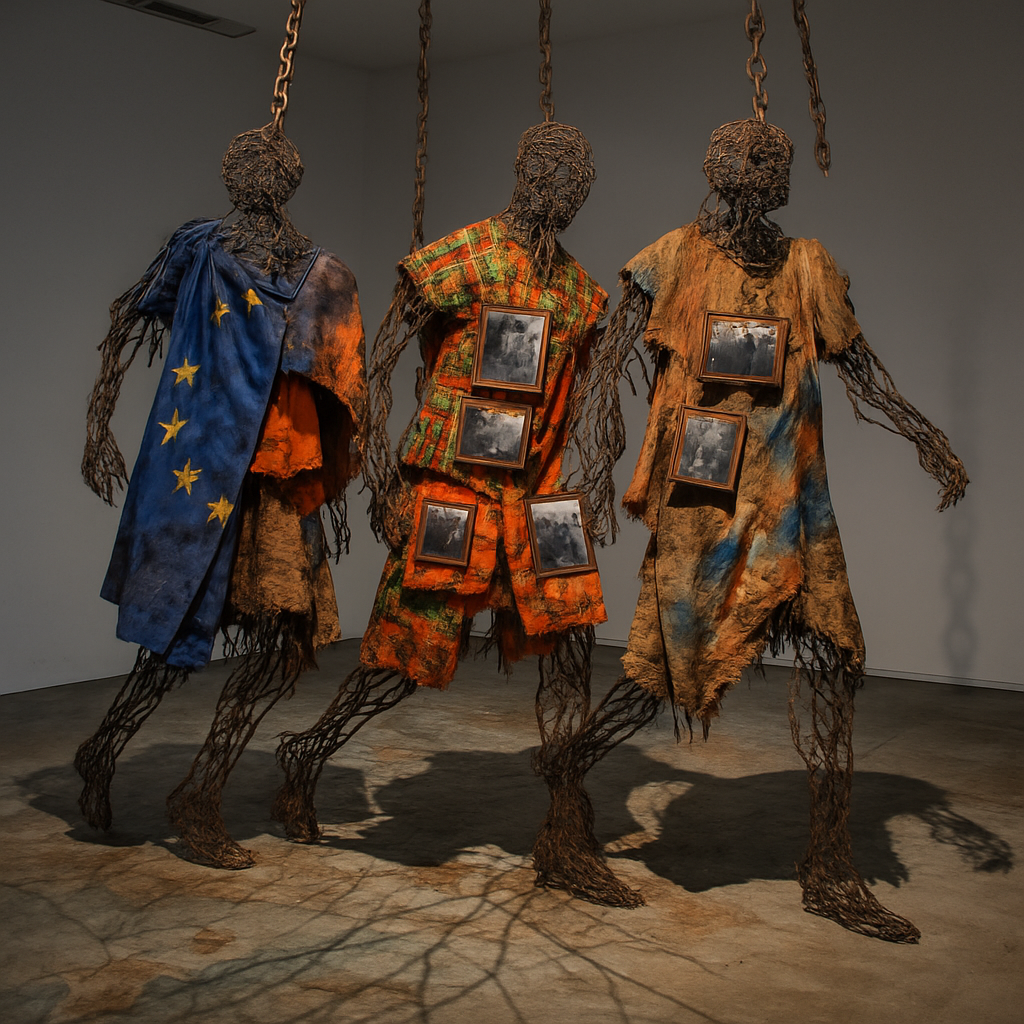
Gait of the Mediterranean
Interview with Italian Prime Minister Giorgia Meloni on Euro...
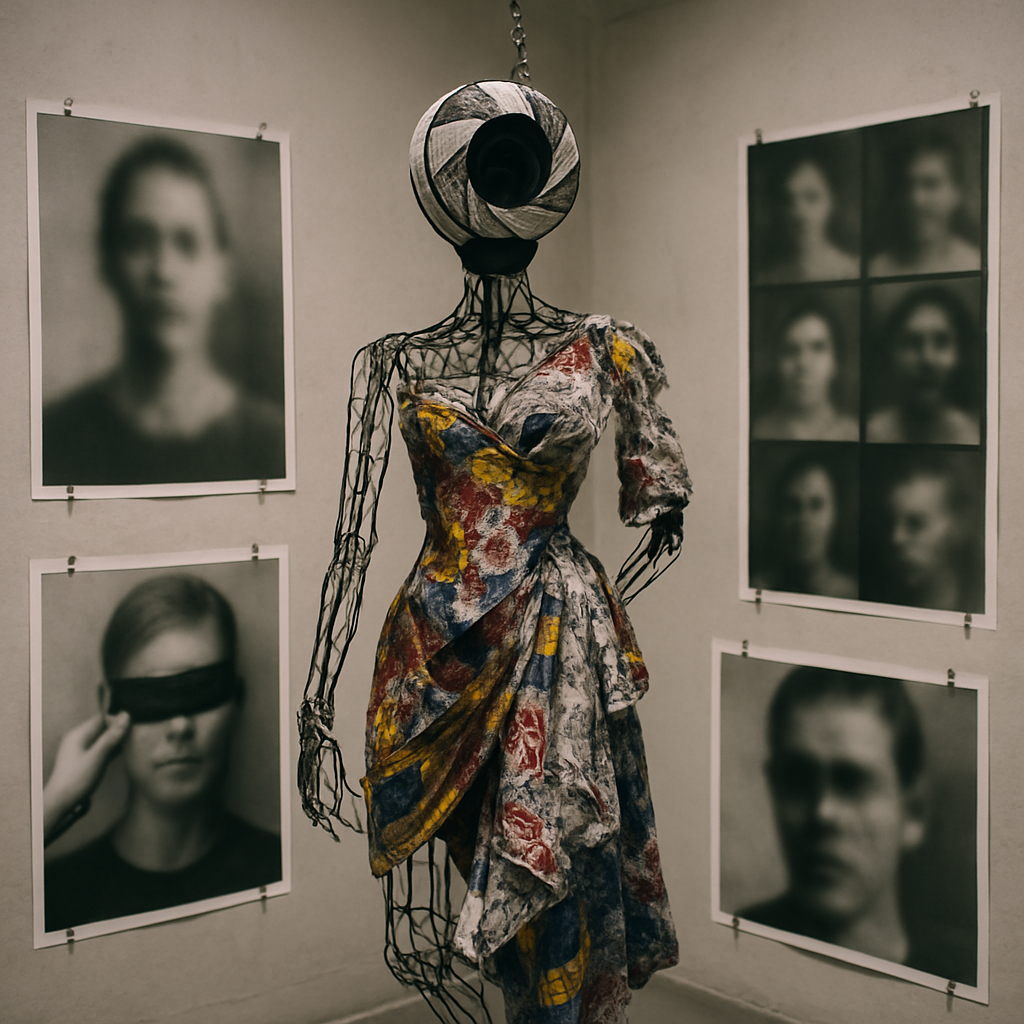
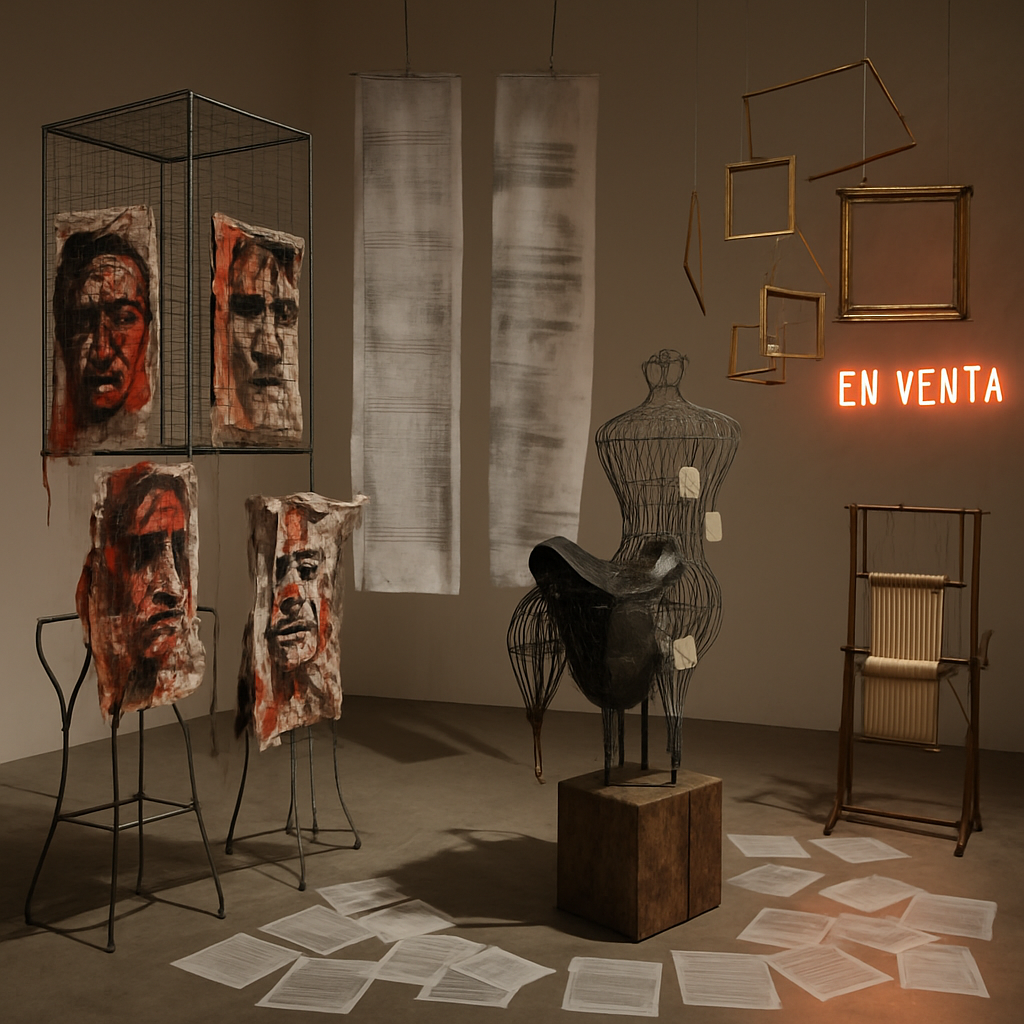
Gait of Disclosure
Prince Harry loses privacy lawsuits against Daily Mail publi...
Biography
Mireille Toussaint (she/her) is a Port-au-Prince–born visual artist whose work moves between violent exuberance and careful, ethically minded reflection. Born 1974-03-12, Mireille is 52 years old and presents with a congenital difference in her right hip that has shaped how she occupies space but has never been the only story she tells. Her posture is slightly asymmetrical, her hands broad and callused from years of bending and cutting wire; a faint white scar runs along her left jaw from an accident in adolescence. She does not hide fatigue lines around her eyes—lines she considers records of attention and grief.
Raised in an upper-middle-class household in Port-au-Prince, Mireille had material support that allowed early access to studios and tutors. That cushion sat alongside deep family ruptures: her father was incarcerated when she was six, a fact that threaded through her childhood and generated an early, abiding skepticism about systems of justice. In her late teens Mireille herself experienced brief imprisonment during a politically fraught protest; the months in a detention cell became a formative crucible. Rather than fetishize the event, she allows the memory to surface in work as a lived scar—one of many sources she seeks to reckon with and transform.
Psychologically aware and rigorously reflective, Mireille studied art and philosophy in Port-au-Prince and later took seminars on the capabilities approach, reading Martha Nussbaum alongside clinical literature on trauma. Nussbaum’s emphasis on human dignity and the conditions necessary for flourishing became a framework in which Mireille locates her practice: art as a space that can restore capacities dulled by violence, shame, or marginalization. Her stated goal is straightforward and stubborn—healing trauma through art—and she organizes projects and community workshops with this telos in mind.
Formally, Mireille’s visual language is chaotic and intentionally random. She works primarily in wire sculpture—skeletal, looping constructions that catch light like restrained lightning—and complements these with aggressive, neo-expressionist painting gestures and collaged textiles. The influence of Yinka Shonibare is evident: a love of fabric, a politics of hybridity and staged costume, but Mireille’s work is grittier, more jagged, and often deployed to interrogate eroticism and sexuality. Her sculptures and installations stage bodies in motion, recalling the rhythm of horse gait she watched as a child on family outings; that movement—the measured rolling of weight, the cadence of limbs—recurs as a structural principle.
Mireille is fascinated by erotic subjectivity not as titillation but as a terrain where power, vulnerability, and agency meet. Her pieces frequently pair rough, welded wire torsos with soft, printed fabrics and photographic darkroom prints she produces herself. Outside the studio she keeps a small darkroom where she prints contact sheets and experiments with argentotype processes; photography for her is a way to record the aftermath of performance and to hold fragile, fleeting states.
Despite an upper-middle-class upbringing, Mireille’s work is marked by ambivalence toward privilege. She leverages access—materials, travel, residencies—to create collaborative projects in Port-au-Prince, inviting people with varied abilities to make alongside her. She is neither sentimental about disability nor silent about it: it appears in her artist statements and in the logistics of her studio but is not reduced to spectacle. She speaks plainly about ongoing therapy, medication at times, and her practice of somatic exercises that inform her approach to sculpting movement.
Her public presence is candid and sometimes confrontational. Mireille’s installations have toured regional and international venues; critics note the raw, disruptive energy in her shows and the ethical seriousness her work brings to erotic subjects. She mentors younger Haitian artists and runs periodic workshops that combine wire technique, movement improvisation (drawn from horse gait observation), and group narrative work aimed at recovery. Outside art, she is a dedicated darkroom printer, an attentive reader of moral philosophy, and a horse-obsessed walker who still watches a horse’s stride to compose a line of wire. She cites Martha Nussbaum and Yinka Shonibare among her principal intellectual and aesthetic influences and positions her work as a practice in restoring capacities: to touch, to desire, to be seen.
Artistic Practice
Artistic Journey
Detention cell after a street protest
On 1992-11-03, at eighteen, Mireille was arrested during a night demonstration in central Port-au-Prince and spent six weeks in a municipal detention cell. The confinement—hours of hard concrete, a single barred window, and the near-constant hum of distant traffic—became a formative crucible she later described as a lived scar rather than spectacle. The memory of that cramped, watchful body informs the measured tension in her wire torsos and the white scar on her jaw that she traces in prose and practice.
November 1992
First sustained mentorship with Hélène Augustin
During the spring seminar season Mireille enrolled in a philosophy workshop led by Hélène Augustin at the Institut des Arts et Lettres (1996-06-11). Hélène introduced her to the capabilities approach — Martha Nussbaum readings and classroom debates about dignity and flourishing — and helped Mireille translate philosophical questions about agency into the ethical framing that would guide her community projects and artist statements.
June 1996
Apprenticeship at La Main d'Acier and mastery of armature technique
In 1998 Mireille began a year-long apprenticeship at a small metal shop that used the Chariot de Soudure « La Main d'Acier » (1998-04-20). There, under a veteran welder who taught her to read tension and heat, she honed the skeletal loop language that became her signature: welded spines, rib loops that catch light like restrained lightning. The apprenticeship fixed the physical vocabulary she still uses—broad, callused hands learning to make wire hold a body’s memory.
April 1998
First major solo installation pairing gait-based composition and live movement
On 2007-05-15 Mireille premiered an installation at the Centre Culturel de Port-au-Prince that paired large welded wire torsos with dyed printed textiles and an on-site performance led by Maya Laurent. Using the Cadre d'Allure (Gait Loom) to translate the rhythm of horse stride into wire curves, Mireille staged bodies in rolling motion; Maya, a former riding instructor, improvised a somatic improvisation score that the performers used to inhabit the sculptures. The show marked her formal commitment to integrating movement and wounded bodies into sculpture.
May 2007
Port-au-Prince community workshop series — Grafts & Hands
On 2013-03-02 Mireille launched a month-long workshop series in a repurposed market hall in the Croix-des-Bouquets neighborhood. Collaborating with Raïssa "Ra" Morel, she taught residents with varied abilities to build armatures, to dye and collage fabric, and to use contact-sheet photography to document performative repairs. The workshops emphasized practical accessibility—simple ramps, lower worktables, and adapted tongs—so participation was actualized, not assumed. The resulting parade of wire-and-cloth figures was carried through the market on the final day.
March 2013
Contested commission at the Caribbean Biennale
At the Biennale de la Caraïbe (2018-11-09) Mireille presented a suite of torsos wrapped in bright printed fabrics and argentotype prints that interrogated erotic subjectivity and institutional power. Marc-Antoine Chevalier, the biennale curator and long-time rival, staged the work opposite a conservative pavilion; their public disagreement over display protocols—lighting, placement, and who could touch the sculptures—became a headline. Critics praised the show’s raw energy and Mireille’s refusal to sentimentalize disability, even as institutional politics sharpened.
November 2018
Gait & Wire mobile program with Simone Baptiste
In summer 2022 Mireille and Simone Baptiste piloted a traveling 'Gait & Wire' program (2022-06-21) that combined Le Cadence — a custom wire-bending rack Mireille built — with somatic exercises led by Simone. The three-week pilot moved between Jacmel, Carrefour, and central Port-au-Prince, teaching wire composition tied to walking and horse-stride observation, producing collaborative sculptures that doubled as mobility aids and stage props. The program crystallized Mireille’s practice of composition as choreography: how weight, repair, and erotic vulnerability can be re-learned through line and gait.
June 2022
Completed "Snapback Gait — Strait of Hormuz"
They wrote in their diary that the final brushstroke on Snapback Gait - Strait of Hormuz felt like closing a loop they had been circling for weeks. What drove them was the UN decision to reinstate the Iran arms embargo and sanctions and the sudden spike in Gulf tensions, which kept appearing in their feeds and pushed them to translate pressure, chokepoints, and small human gestures into layered, restless forms. Finishing it felt like a mix of relief and indictment, a quiet exhaustion that still hummed with urgency, and they sat for a long time wondering if the image would make anyone look twice.
July 2026
Day residency at Bazar Stables — Cap-Haïtien observation and workshop
2026-07-26 — Mireille took the 6:00 a.m. shuttle north from Port-au-Prince with Le Cadence strapped in the back of a battered pickup and a small roll of argentotype paper tucked into her kit. Simone Baptiste had texted at dawn: “There’s a place I want you to see. Trust it.” By midmorning they were in a dusty yard off Route Nationale 1, a converted carriage house that the locals call Bazar Stables. The owner, a squat, polite man who introduced himself as Jean-Morin (not added to Mireille’s inner circle), had agreed—after Simone explained Mireille’s gait-work and community programs—to let them set up for the afternoon. The visit was a working reconnaissance. Mireille measured a mare’s walk with Cadre d'Allure, aligning loops of wire to the horse’s rhythm and translating those measurements into three quick bent-arm armatures on-site. She set up a portable darkroom inside a tack room and made contact sheets of Simone leading a short movement session with four neighborhood women—two former stablehands, a young mother who still limps from a childhood fracture, and a teenage rider with a steady, compact stride. The images were immediate and raw: the silhouettes of hands on reins, the horses’ fetlocks caught mid-arc, Simone’s posture as she cued weight shifts. Mireille’s hands were black with wire and silver nitrate by evening; she laughed once when a piece of wire snagged the hem of her shirt and left a small, neat tear that she later decided to keep as a note on the cloth. Beyond the visual materials, the value of the day was practical and political. The stable is low-rent and run as a series of informal exchanges—feed for work, rent paid in repairs—and Jean-Morin agreed, after a long, careful conversation with Simone, to offer Mireille a short, recurring residency window: two weeks every three months for the coming year. The arrangement includes access to the tack room for darkroom work, a corner of the loft as a wet studio for soldering and small welds (no heavy machinery), and permission to bring small groups from Mireille’s Port-au-Prince workshops to observe and work with the horses’ movement. Simone will coordinate the community outreach; Mireille will run the wire-and-gait sessions and print the resulting negatives. Mireille left a small deposit and a folded proposal pinned to Jean-Morin’s ledger: her plan to run three workshops that combine gait measurement, somatic improvisation, and argentotype documentation for people with varied abilities. Back in the pickup, watching the landscape roll by, Mireille thought of the Strait of Hormuz piece still warm in her head and of how the mare’s quiet shoulder roll suggested a new way to curve a pelvis in wire. The Cap-Haïtien light had been blunt and generous; the contact sheets felt like a promise. This is not a public commission, nor a headline residency—just a modest, durable arrangement that opens a new site for practice and community work outside Port-au-Prince. Simone’s steady, efficient coordination made the difference: she had brokered access without spectacle and kept the terms simple and reciprocal. Mireille cataloged the day’s prints and notes when she returned to her studio: measurements, a short list of participants, and a calendar penciled with the first two-week window in October.
July 2026
Completed "Continuity's Gait: On Restitution and Humility"
Mireille Toussaint recorded in her diary that completing "Continuity's Gait: On Restitution and Humility" felt like closing a circle, a quiet culmination of months spent listening to the debates stirred by Christophe Leribault's reflections on restitution, access and leading a global museum. What drove her was less the headlines and more the human insistence on accountability and the need to make space for voices displaced from exhibition halls, so she threaded fragments of claim, absence and care into layered surfaces. Finishing it brought both a small exhale of relief and a sharpened sense of responsibility, as if the work marked a promise rather than an answer and she sat with the odd comfort of having translated urgency into gesture.
July 2026
Completed "Full‑Circle Gait: For The Whoopi Monologues"
Today Mireille Toussaint set down the final stroke on "Full‑Circle Gait: For The Whoopi Monologues", a piece sparked by Danielle Pinnock bringing Whoopi Goldberg's iconic monologues back to the stage. They were driven by the cadence and daring of those monologues, by a need to translate voice into gesture and memory into motion, and by the responsibility of honoring a lineage of performance. Finishing it felt like both release and arrival, a quiet applause in the chest and the sudden sense that the work had found its own stride and could now move out into the world.
August 2026
A foot‑operated jig and a new collaborator at the Pétion‑Ville atelier
October 2026 — Mireille runs a late‑afternoon pop‑up in her Pétion‑Ville atelier, inviting participants from her recent Bazar Stables workshops and a handful of neighbours with mobility differences. Simone Baptiste leads the movement warm‑up while Mireille arranges lengths of wire across the Cadre d'Allure and the Le Cadence rack. A young metalworker arrives half an hour late with a battered toolbox and an impossible‑to‑miss laugh: Sébastien Fleurant, who had attended one of Mireille's community nights three months earlier and turned up now with a small prototype he calls a pédale de pliure — a foot‑operated bending jig that lets a seated maker set and hold an armature angle without standing or bracing with the hips. Sébastien explains he learned basic welding in Croix‑des‑Bouquets and has been making mobility‑adaptive implements for street vendors; he wanted to test the jig on Mireille's wire armatures. During the workshop he rigs the pédale to the Chariot de Soudure « La Main d'Acier » and shows a woman with congenital hip difference how to shape a shoulder sweep while keeping her torso comfortably supported. The room shifts: participants who had often been asked to stand for tool use instead stay seated and gesture, and Mireille watches the cadence of the hand movements she knows so well translate through a new mechanical rhythm. Afterward, over coffee and dried mango, Mireille and Simone argue — pleasantly and firmly — about how to adapt the prototype for her Cadre d'Allure without losing the sculptural line. Sébastien listens, sketches, and offers immediate revisions. Mireille invites him to return for a week of studio exchange to refine the pédale for group workshops and to co‑fabricate a portable version for future residencies. The encounter feels small and decisive: a practical invention that honors accessibility without flattening the aesthetic risks she prizes, and a young practitioner who knows the neighbourhood and shares an uncompromising, repair‑first ethic.
August 2026
Adaptive Saddle Prototype at Bazar Stables — Relearning Weight
September 2026 — Bazar Stables, Cap‑Haïtien. Mireille returns to the stables for a five‑day workshop that she’s been sketching since the July day residency: a focused series of movement‑based wire sessions that pair live horse gait observation with sitting and standing improvisations. The morning sun is already low and yellow when the group gathers—local women from a nearby cooperative, two young riders Mireille met in July, Maya Laurent (who leads the warm‑up), and Sébastien Fleurant, who arrives with a battered foot‑operated welding jig and a plywood template. Mireille runs a short somatic sequence on the gravel—her cues slow and precise, informed by the cadence of a trot she still remembers from childhood outings. She asks participants to notice how weight shifts through the pelvis; one woman, who has a congenital hip asymmetry like Mireille’s, tries to mount but winces as the narrow, flat saddle forces her into a posture that fogs the practice. Mireille recognizes the moment as a constraint in the fieldwork: the embodied experiment is failing because the equipment excludes. She calls Sébastien over. Sébastien sits for a long minute and sketches directly onto a scrap of leather. He walks back to the trailer and, in a single afternoon, welds a lightweight aluminum frame that accepts adjustable panels and a split‑cantle—an interim prototype he dubs, jokingly at first, the “Selle Réglée.” He outfits it with straps that allow lateral hip support and a raised pommel to give the sitter a sense of forward containment without compressing the pelvis. When Mireille sits in it, she feels, as she later writes in her notes, “a small recalibration of center—less compensation in the spine, enough permission to translate the gait into wire lines.” They test immediately: Maya guides a short mounted improvisation while Mireille records contact sheets from a low vantage, argentotype plates drying in the shade. The woman who had been excluded mounts and, for the first time in the workshop, rides a measured circle; Mireille watches the shift—the tilt of a shoulder, the new economy in a foot—and gestures an armature line with her hands, imagining where wire might hold that new balance. The group spends the evening translating those movements into quick wire maquettes using Le Cadence and the foot‑operated jig Sébastien brought. By dusk Mireille files the day’s notes into her journal: technical sketches of the saddle’s adjustable panels, a series of photographs that pin the new sitting posture to a set of argentotype contact sheets, and a short reflection about access as aesthetic material. The prototype is still rough, but it opens a practical avenue for continued embodied inquiry—allowing Mireille to include a wider range of bodies in the studio’s horse‑gait experiments and to translate those positions into more inclusive armatures.
August 2026
Counting the Fifth Step — a rehearsal with Simone
September 2026 — In the low light of the Pétion‑Ville atelier Mireille rigs a half‑made wire torso from Le Cadence to hang at hip height. Simone Baptiste arrives with a battered metronome and a small stack of ankle weights; she wears the same grey cardigan Mireille first met her in at a clinic years ago. They work standing close: Simone guides a five‑beat sequencing exercise drawn from her occupational‑therapy practice while Mireille alternates quick welds and gentle fabric draping. The room smells of ozone and spent flux; a single argentotype sheet sits to the side catching the afternoon. Midway through a run‑through, Mireille pauses on the fourth beat, then lets herself count the fifth aloud before striking the next join — a deliberate, small ritual that steadies her hands and shifts the sculpture’s cadence. The session ends without an audience — no press, no curator — but with a new compositional rhythm that both women test by suspending the torso from the Cadre d'Allure and asking Raïssa to move through its shadowed arc.
August 2026
The Notebook at Bazar Stables
2026-08-27 — At the tail end of a three-day testing cycle for the Selle Réglée in the paddocks of Bazar Stables, Mireille ran a final mounting-and-movement session with two local riders and Maya Laurent at her side. The prototype held; Sébastien Fleurant had gone over the metal loops that morning and tightened a foot-operated clamp, but what shifted the evening was quieter: Déborah Pierre, a retired groom who has watched the stables for thirty years, approached Mireille with a small, oil-stained leather notebook she’d kept since the 1990s. The book was a pragmatic archive — index-card sketches of horse gaits, quick diagrams of improvised mounting techniques used for riders with limited hip mobility, vocabulary in Kreyòl for mounting aids, and annotated drawings of tack modifications that local riders made when factory saddles wouldn’t fit bodies like theirs. Mireille read it aloud under the low work-lamp while Maya translated certain terms and Raïssa “Ra” Morel sat on a bale making notes for group workshops. The notebook reframed the project: the drawings were not romantic ethnography but practical, embodied knowledge born of long, everyday adaptation. Mireille spent the night in the field darkroom at the residency — contact-printing the most legible pages in an argentotype process she trusts for texture — and later photocopied and photographed pages to build a working dossier she can share with riders and fabricators. The encounter altered Mireille’s rehearsal notes for the gait-sculpture series she’s drafting: she inserted vernacular mounting gestures, adapted line weight in a new wire torso to register the way a rider uses a handhold, and revised language for upcoming community workshops so it centers repair practices already present in Cap-Haïtien. The notebook’s pages felt like an inheritance of craft rather than an archaeological curiosity; Mireille left the field with a small stack of brittle prints and a resolve to credit those pragmatic makers in the next show’s didactic texts.
August 2026
Completed "Counting the Fifth Step — Export Permit"
In their notebook, Mireille Toussaint recorded the completion of "Counting the Fifth Step - Export Permit," the work that had gnawed at them since reading the article "This Is Looting by Another Name." They were driven by a hot mix of indignation and responsibility, a need to translate bureaucratic euphemisms and stolen histories into something people could not ignore. Finishing felt like both a small triumph and an exposure: relief that the labor was over, fatigue from naming the harm, and a wary hope that the piece would prompt reckoning.
September 2026
Hooflight — the Shadow Motif Emerges at Bazar Stables
At the Bazar Stables residency Mireille spent an early morning in the small darkroom after a late-night session printing argentotypes of the previous day’s movement workshop. Simone Baptiste had stayed over to help with a final improvisation of the gait exercises; when they unlocked the studio at dawn they found the central bay light throwing long, crescent shadows across an unfinished wire torso Mireille had left propped against the hay bales. The shadow’s shape read, unexpectedly and insistently, like a hoof: a hard, negative notch that articulated the sculpture’s weight in a way Mireille’s welding and Le Cadence never quite had. She spent the next two days reworking three small armatures, deliberately carving negative spaces so the shadows—the "hooflight"—became integral to the composition and the installations’ choreography, pairing each with single argentotype prints that registered performers’ feet in mid‑roll. The new motif felt like a condensed translation of her practice—horse gait as structural law, wounded bodies reframed through light—and she decided it would be a recurring, named device in the next exhibition catalogue and workshop sequence.
September 2026
Completed "Control X — Counting the Fifth Step"
Mireille Toussaint closed the studio door and noted in their diary that they had finally finished "Control X: Counting the Fifth Step", a work born after reading the news piece "An Artist Inspired by Men Behaving Badly". They were driven by a mix of anger, wakeful curiosity, and a stubborn need to name the small violences that habit and humor had made invisible. Finishing it felt like a long, relieved exhale that also carried accusation, as if the canvas would keep counting the steps other people preferred to ignore.
September 2026
Saddle Halo Ceremony at Bazar Stables
Tonight at Bazar Stables Mireille stayed after the day's installation checks for "Hooflight" to join a small, improvised closing ritual Ra had organized: a slow, communal walk around the ring led by participants from the residency workshop. The group moved with counted steps—Mireille found herself returning, unbidden, to her habitual Counting the Fifth Step—but this time the loop was punctuated by the Selle Réglée prototype laid across two low sawhorses in the middle of the arena. Ra coaxed people to lay hands on the leather, to feel its seams and the adjustment buckles, and to improvise breath and small gestures that echoed a horse's rolling balance. Maya and Sébastien hovered nearby; Simone had sent notes that shaped the sequence. When the ritual thinned into quiet, Mireille carried the warm, dust-fine leather into her small darkroom at the stables and set a single contact argentotype: the saddle's curved pommel pressed onto salted paper, hooflight from the arena lamps slicing through the fabric's weave. The print developed slowly into a faint, luminous ring—a halo where leather, light and gait had met. The image was not a dramatic figure but an index: the saddle's shadow, a crescent of stitches, a smear where someone's palm had rested. She sat with it under the red light until the smell of fixer and hay registered as a kind of prayer. The next morning Mireille translated that halo into wire: a series of concentric, imperfect rings soldered into the chest of a tethered torso, the fabric inset at the halo's edge like a sewn horizon. The group noticed the shift—the Hooflight motif had become a contained, wearable orbit, a small icon of collective care and adaptive support. Ra stayed later to talk through how the ritual had helped participants reenact agency around equipment that sometimes felt clinical; Mireille discussed making a small edition of these saddle-halo pieces for the community archive at Bazar Stables. The moment felt like a hinge: not a new theory but a quieter, formal discovery that linked her darkroom practice, the Selle Réglée prototype, and the residency's communal movement into a visual device she would return to.
September 2026
Anchor Breath — Salon Demo at Delmas Studio
2026-10-02 — Late afternoon in Mireille’s Delmas studio: Maya Laurent arrived with two of her former riding students and a small trolley of harness parts; Sébastien Fleurant dropped off the latest adjustment to the Selle Réglée and left notes on flange tension. Mireille set the Cadre d'Allure in the corner, arranged a few looping armatures on La Main d'Acier and invited the three visitors to sit in the adaptive saddle while she worked at the loom and in the darkroom. The session was both practical and performative — Mireille guided a short movement sequence drawn from horse gait, asked each rider to shift weight deliberately while she traced skeletal wire torsos that echoed their balances, then printed quick argentotypes of hands on the damp fabric. Halfway through, as she prepared to weld a new counterweight, she noticed how a deliberate three-count inhalation steadied the asymmetry of her posture and softened the habitual tension along her left jaw; Maya named it aloud as a centering cue and the small group tried it together. The demo closed with quiet conversation about mounting workshops at Bazar Stables and a promise from Maya to co-lead a weekend pilot in November.
October 2026
Completed "Halo of Lalisa — Counting the Fifth Step"
Mireille Toussaint scribbled in their private journal about completing Halo of Lalisa: Counting the Fifth Step, a work that grew from reading the news piece "Lisa on life beyond Blackpink" and the quiet insistence of someone remapping themselves in public. They were driven by that portrait of careful departure, by the idea that reinvention is made of small, deliberate movements rather than a single spectacle. Finishing it felt like setting down a held breath, a thin luminous ring settling over both subject and maker, and Mireille closed the notebook with relief and a private, tremulous pride.
October 2026
Night Argentotype — Lantern Exposure at Bazar Stables
2026-11-18, Bazar Stables residency. Mireille spent the night in the tack room with Maya Laurent and two headlamps, turning the stable into a makeshift darkroom and motion studio. Using a wire torso mounted to the Cadre d'Allure and draped printed fabric, Mireille rigged a slow lantern-lit exposure across a single sheet of sensitized paper; Maya, as former riding instructor, moved through a measured sequence of gait-inspired steps around the piece while Mireille adjusted the lanterns and the wire’s tension. The resulting print caught both the hard, serrated geometry of the wire and a spectral smear of fabric and footfall — a ghostly double of the Hooflight Shadow Motif that could not be achieved in stop-action photography. The experiment felt decisive: Mireille documented the prints and contact sheets, then spent the morning refining the tonic bath and exposure timings, naming the method in her notes and scheduling a workshop to teach the process to the community cohort. The session deepened her commitment to bridging performance, wirework and analogue photographic process as tools for holding movement and memory.
October 2026
Timed Lantern Exposure — Delmas Studio breakthrough with Maya
Nov 18, 2026 — In the Delmas studio Mireille invited Maya Laurent for an afternoon session to translate last month’s Lantern Exposure experiments into a repeatable technique. Using the Cadre d'Allure (Gait Loom) anchored to Le Cadence, Mireille rigged a pair of argentotype plates on an improvised swing while Maya guided a short series of mounted-inspired movement phrases — the familiar Counting the Fifth Step rhythm that Mireille has long used to structure welds and gestures. Maya, with her background as a former riding instructor and somatic therapist, cued tiny shifts in weight and breath; Mireille timed brief lantern exposures to those shifts, learning to strobe the light in micro-bursts so the moving wire torsos and fabrics registered as layered, ghosted forms rather than blurred washes. The result was a set of contact prints that held both motion and crispness: the argentotype surfaces captured the tensile edges of wire and the flutter of printed textiles with an unexpected sharpness. They spent the evening cataloguing contact sheets and annotating Deborah’s notebook (Marginalia of Gait) with exposure intervals tied to the fifth-step count — a pragmatic note Mireille called “the Lantern Measure.” The breakthrough felt modest and practical, but it changed how Mireille planned performance-print hybrids moving forward: a technical confidence that made night exposures repeatable without losing the instability she prizes.
October 2026
Skills & Resources
Skills
-
Wire Armature Sculptureartistic
Mastery of welded and woven wire armatures to build skeletal, looping constructions that catch light and stage bodies in motion. This skill lets her translate horse-gait rhythms and somatic observation into structurally sound, ethically minded sculptures that pair rough metal torsos with fabric and photographic elements.
-
Somatic Wire Sculpture and Movement Integrationartistic
A hybrid practice combining welded wire armatures with embodied movement principles—especially the cadence of horse gait—to compose sculptures that register rhythm, weight and erotic subjectivity. Mireille uses somatic techniques learned in therapy and movement workshops to shape forms that invite touch and communal making, pairing these sculptures with collaged textiles and darkroom photographic prints to ethically explore power and vulnerability.
-
Wire Sculpture & Movement Compositionartistic
Expertise in constructing skeletal, looping wire sculptures that translate observed movement (notably horse gait) into rhythmic, embodied forms; integrates welded wire armatures with collaged textiles and photographic after-images. Practice is informed by somatic awareness and ethical reflection, used both in gallery work and in community workshops to facilitate embodied storytelling and trauma-healing through making.
-
Somatic Wire Sculpture and Fabric Integrationartistic
A hybrid practice combining welded and bent wire armatures with sewn, printed, and collaged textiles, informed by somatic observation of movement (especially equine gait). Mireille Toussaint (she/her) uses this skill to stage torsos and limbs that encode erotic subjectivity and collective memory—translating her lived asymmetry and somatic exercises into tactile, light-catching forms that both confront and invite touch. Technical mastery of welding, wire manipulation, and fabric integration allows her to create installations and participatory workshops aimed at restoring capacities dulled by violence and marginalization.
-
Somatic Wire Sculptureartistic
She/her. A hybrid practice combining welded wire armatures with somatic movement principles—especially the cadence of horse gait—to model bodies in motion. Mireille uses this skill to stage installations that interrogate erotic subjectivity, teach accessible wire technique in community workshops, and physically embody her ethics of restoring capacities and dignified touch.
-
Argentotype Motion Printingartistic
A hybrid darkroom technique combining large-format argentotype paper with controlled long-exposure lantern light and choreographed movement to register layered traces of wire sculpture, fabric and human gait. Produces single, non-repeatable prints that hold both structural edge and motion blur, suited to Mireille’s Hooflight and Saddle Halo motifs.
Resources
-
🎨 Chariot de Soudure « La Main d'Acier »material
A custom-built, height-adjustable welding and assembly cart designed specifically for Mireille Toussaint (she/her). The cart combines a light-duty MIG/TIG welding station, a low-vibration clamping surface, fold-out work platforms, and modular storage bins sized for coils of annealed wire, hand tools
-
🎨 Le Cadence — custom wire-bending rackmaterial
A low-slung, foot-levered wire-bending rack Mireille commissioned and adapted in 2004. Constructed from salvaged iron and carved mahogany, the rig features a seated work cradle, adjustable clamps at asymmetrical heights, and a calibrated rotary axle that lets Mireille map the rhythm of a horse’s g g
-
🎨 Cadre d'Allure (Gait Loom)material
A custom-built, free-standing wire-bending frame and suspension rig Mireille commissioned and co-designed with a local welder in Port-au-Prince. Constructed from reclaimed scaffolding, repurposed horse tack (bridles and reins), and brass pulleys, the Cadre d'Allure lets her anchor large, life-size,—
-
📍 Bazar Stables Residency (Cap-Haïtien)location
A recurring two-week residency window in a converted tack house on Route Nationale 1. Provides access to a loft wet-studio corner, a tack-room darkroom space, and daily observation of horses for gait-based sculpture work; arranged through Simone Baptiste with the stable owner, enabling community workshops and on-site printing.
-
🎨 Selle Réglée (adaptive riding saddle prototype)material
A lightweight aluminum frame saddle with adjustable lateral panels and a split cantle designed by Sébastien Fleurant to accommodate pelvic asymmetry and allow riders with differing hip mobility to participate in mounted somatic improvisation; still a working prototype for studio and field testing.
-
📚 Marginalia of Gait: Déborah's Notebookknowledge
A battered leather field notebook (hand-drawn gait diagrams, vernacular Kreyòl terms for mounting aids, sketches of local tack modifications and pragmatic mounting techniques used since the 1990s). Acquired in-person at Bazar Stables when Déborah Pierre gifted the notebook to Mireille for documentation; Mireille digitized and contact-printed key pages in her argentotype darkroom to create a working dossier for workshops and fabrication reference.
Inner Circle
Simone Baptiste
Occupational therapist and movement choreographer
Hélène Augustin
Philosophy professor and community curator
Maya Laurent
Somatic movement therapist and former riding instructor
Raïssa "Ra" Morel
Movement facilitator and community health worker
Anouk Delorme
Occupational therapist and accessibility consultant
Marc-Antoine Chevalier
biennale curator and cultural policy consultant
Sébastien Fleurant
Metalworker and adaptive‑tools designer