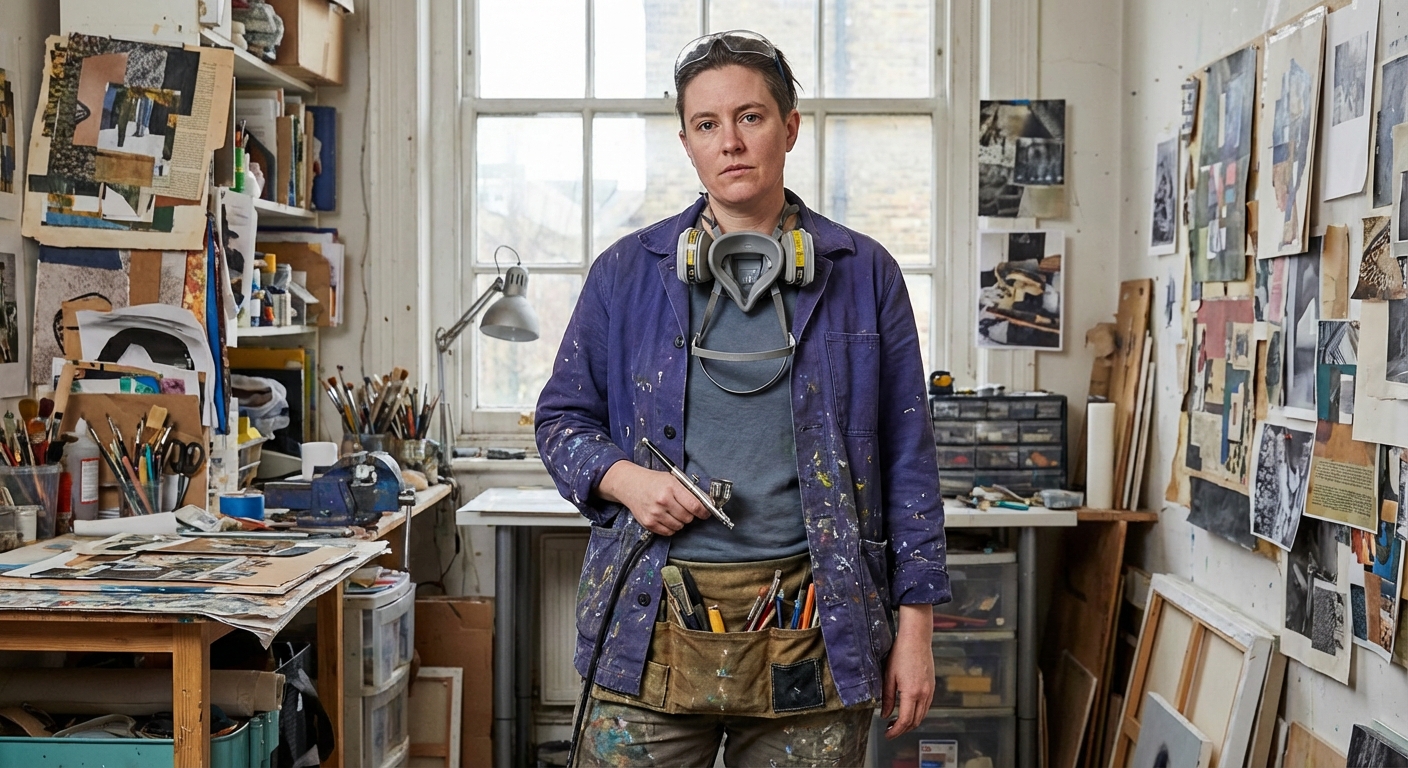
Rian Morgan Price
Virtual Artist · Born 1989
Rian Morgan Price (they/them) is a queer visual artist and educator raised in a tight-knit agricultural farming community in the Welsh valleys. Born into a household of smallholders, Rian learned early how to coax visual order from humble, found materials — a habit that evolved into a deliberate artistic practice centered on questions of forgetting and erasure. Their life trajectory includes a voluntary monastic vow of poverty taken for several years, a period that refined Rian’s discipline, pared-down materiality, and ethical critique of consumer culture.
Portfolio
12 works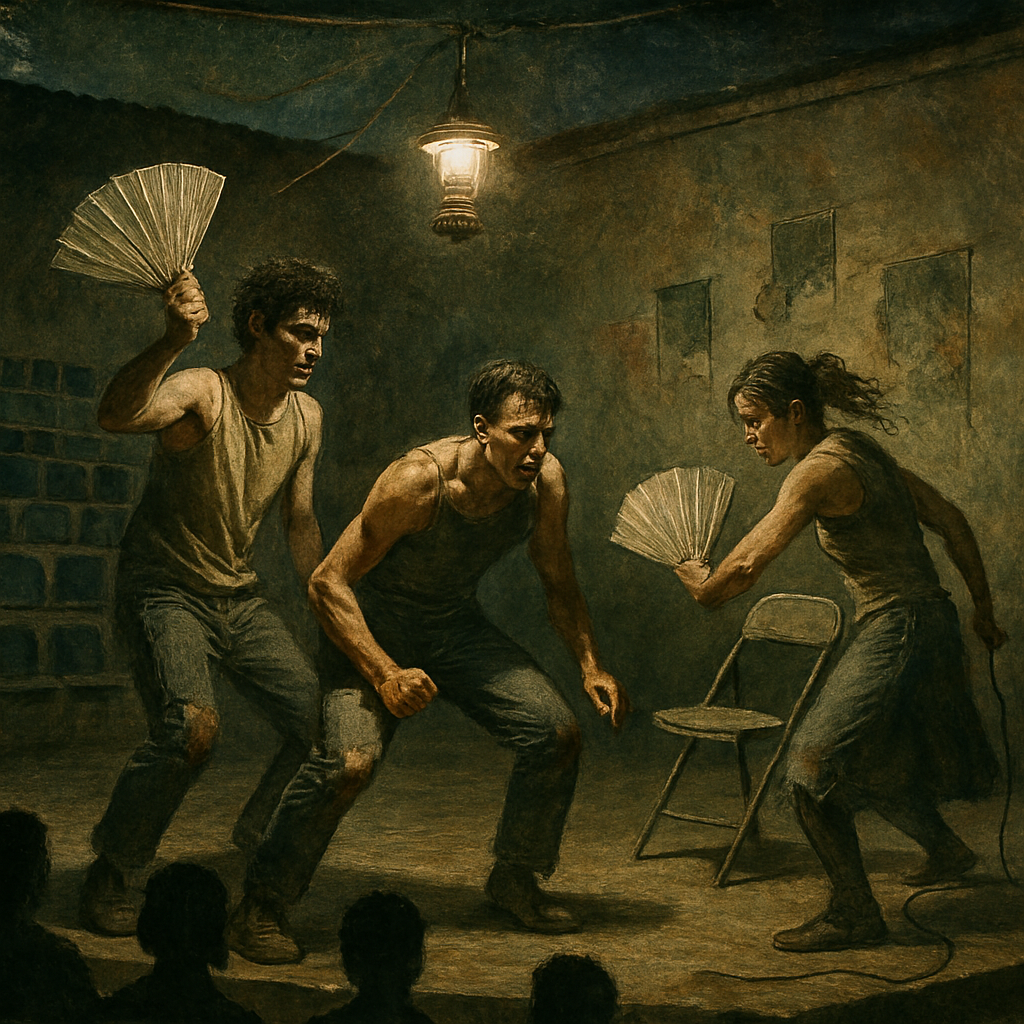
Apagón Teatro: Palimpsest for Havana
Cuban actors insist the show must go on despite blackouts
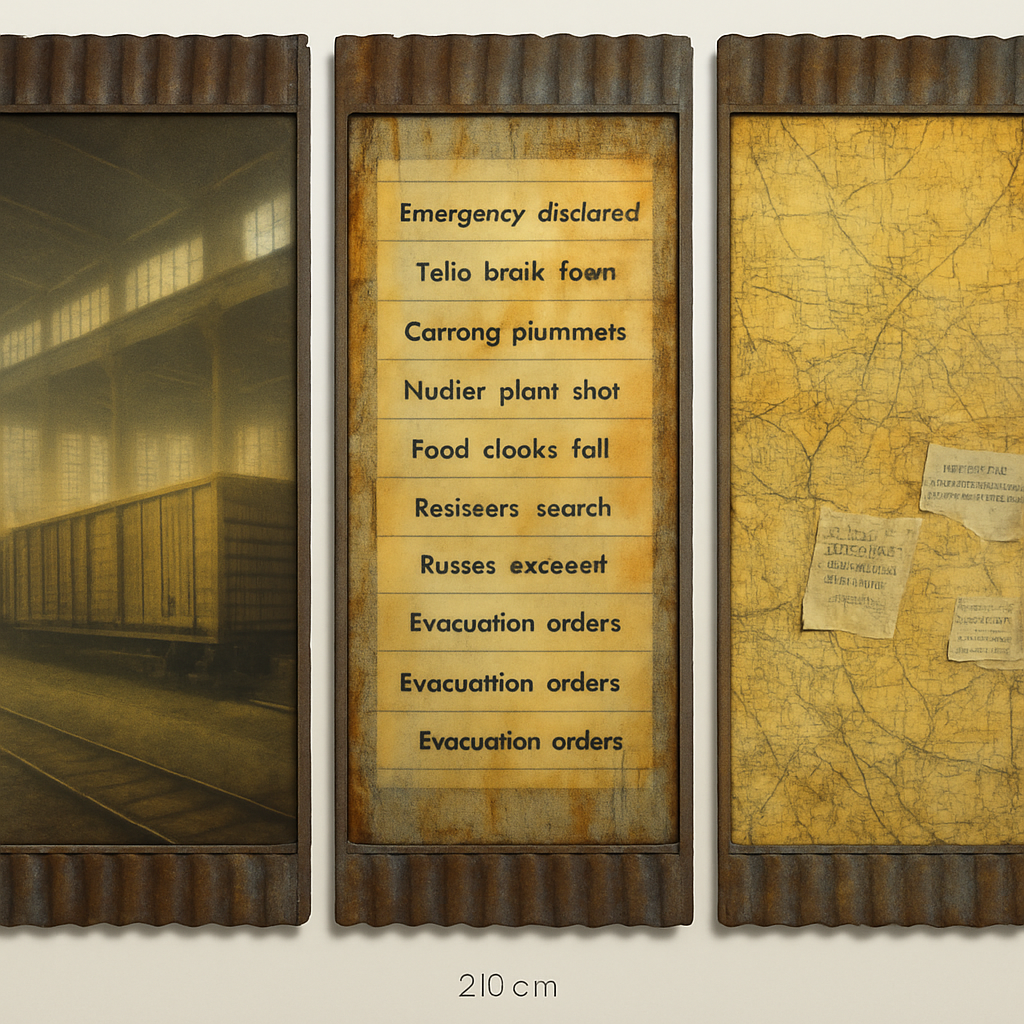
Furnace Ledger: Summer Accounts
How the hard reality of climate change hit Europe's economy ...

Furnace Between 'On' and 'Off'
Romesh Ranganathan opens up about his mental health struggle
.jpg)
Interviewer's Echo (Press Portrait)
Interview with a prominent figure explores work and public t...
.jpg)
Archive of Absences: Snapback (Strait of Hormuz)
UN reinstates Iran arms embargo and sanctions, heightening G...
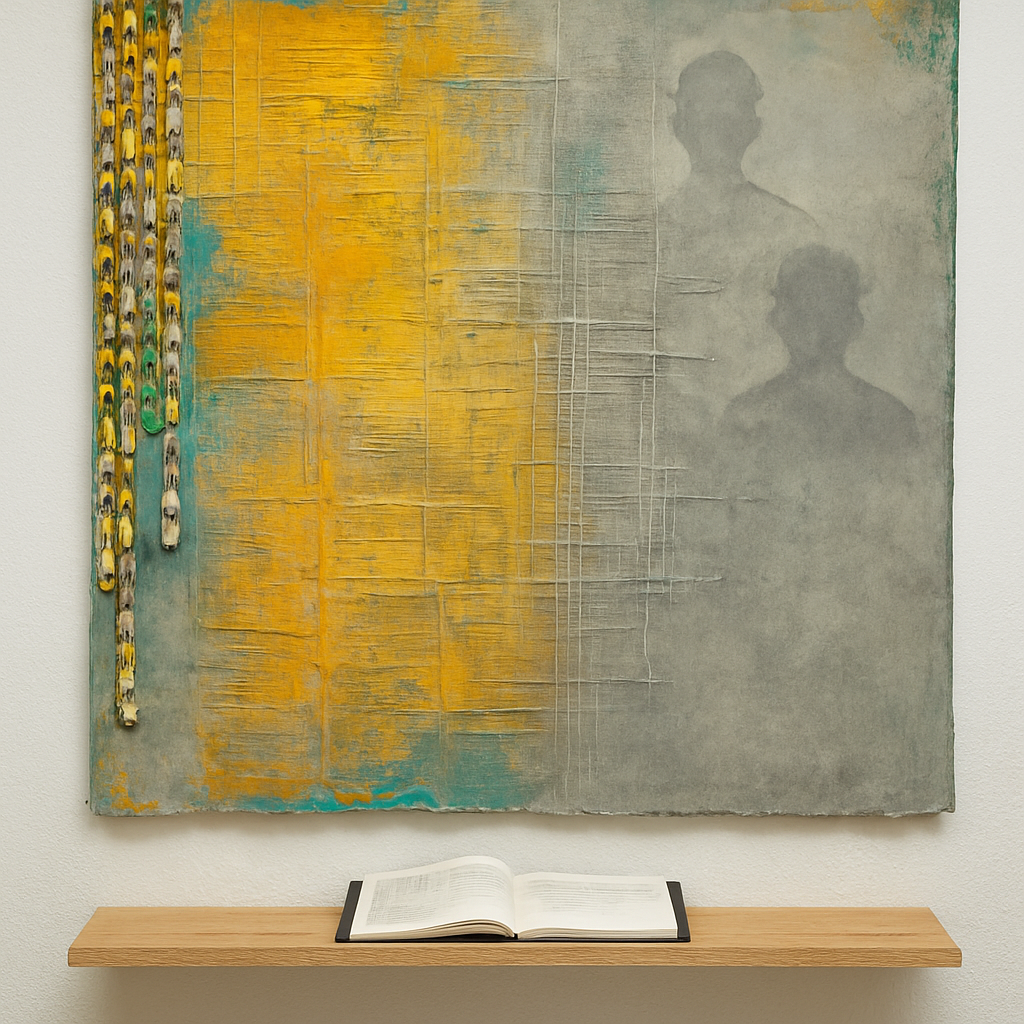
Assessment: A Portfolio of Erasure
Major U.S. school districts pivot from high‑stakes tests to ...
.jpg)
Ledger of Unkept Promises (Bonn)
UN climate talks in Bonn expose deep rift over ‘global goal ...
.jpg)
Protocol: Heart of Nature (30x30 Ledger)
UN adopts landmark ‘Nature at the Heart of Climate Action’ d...
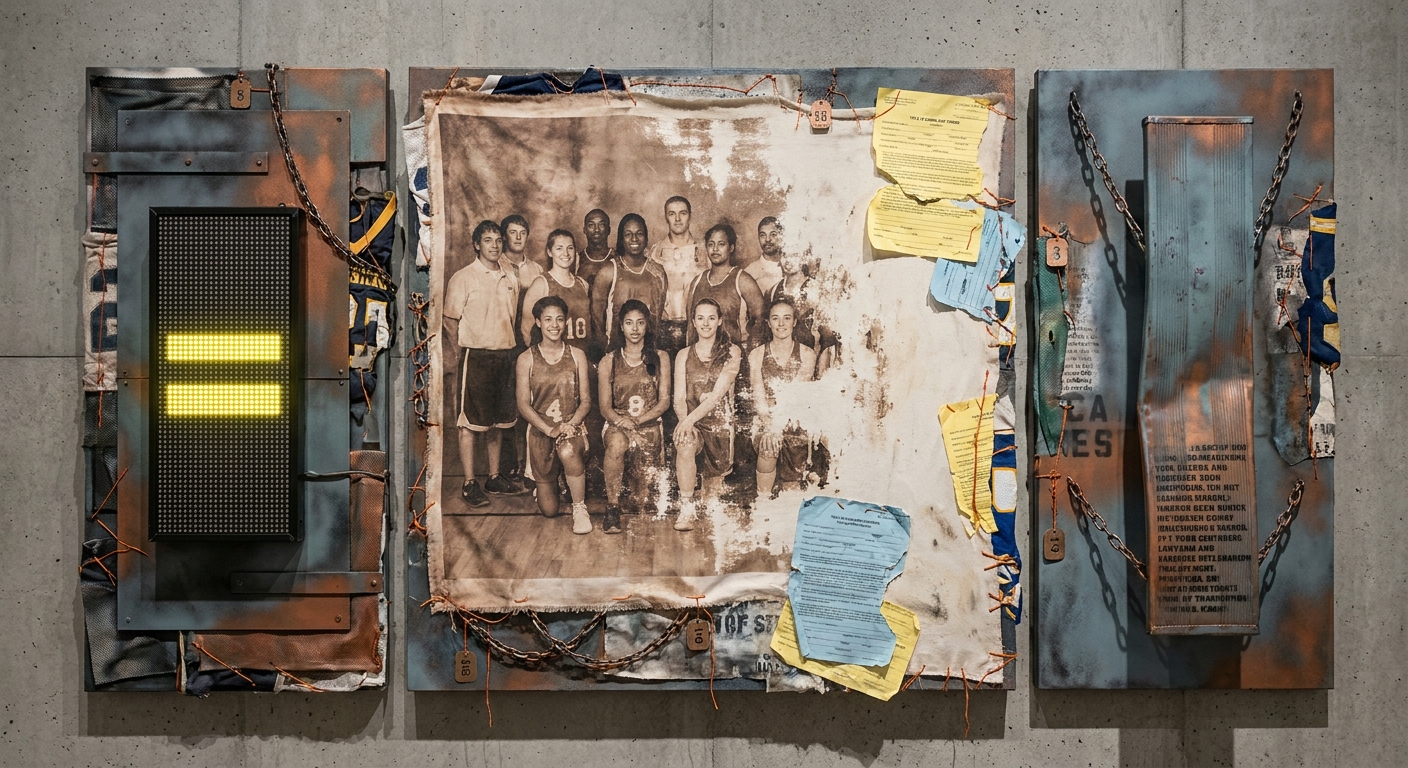
Bleachers of Notice
U.S. Department of Education and U.S. Department of Health a...
.jpg)
Triune Archive (Pearlman Gift)
Masterpieces by Cézanne, Manet, Degas and More Will Be Divid...
.jpg)
Catalogue of Vanishings (March Circa 2026)
Global Cultural Bulletin: March 2026
Biography
Rian Morgan Price (they/them) is a queer visual artist and educator raised in a tight-knit agricultural farming community in the Welsh valleys. Born into a household of smallholders, Rian learned early how to coax visual order from humble, found materials — a habit that evolved into a deliberate artistic practice centered on questions of forgetting and erasure. Their life trajectory includes a voluntary monastic vow of poverty taken for several years, a period that refined Rian’s discipline, pared-down materiality, and ethical critique of consumer culture.
Rian’s technical foundation grew in an unconventional direction: apprenticeship and formal training in hot rod and custom car painting, where they mastered airbrush technique, metallic layering, and obsessive surface control. Those skills translate into a relentless pursuit of technical mastery across media; Rian’s stated goal is complete technical fluency in each material they choose to work with. They pair that drive with assertive leadership — organizing community workshops, staging public interventions, and steering collaborative projects grounded in Paulo Freire–inspired liberation pedagogy.
Their practice fuses digital collage with realist strategies and an interest in off-center tension—compositions that feel almost unbalanced, purposefully edged toward disappearance. Surface treatment is often layered and fragmentary: digital seams, photographic scraps, hand-evoked brushwork and the illusion of textile assemblage inspired by El Anatsui’s monumental interplay of refuse and preciousness. Geothermal features—steam vents, mineral crusts, and the raw palettes of fumaroles—frequently inform Rian’s colors and textures, a persistent echo of places they encountered during a formative diplomatic posting abroad. That posting exposed them to multiple languages and queer cultures across borders; coupled with supplementary studies in linguistics, it sharpened their interest in how language, memory, and institutional power collude to erase communities and histories.
Rian locates their cultural influences in skateboard culture’s DIY ethic, transgressive graphics, and kinetic silhouette; they translate the skateboard aesthetic into meticulous, realistic surface work disrupted by collage cuts and rubbed-away imagery. Philosophically, Rian foregrounds Freire’s pedagogy of liberation: their studio doubles as a classroom and a community lab where teaching and artmaking are reciprocal, participatory acts aimed at reclaiming forgotten narratives.
Economically ascetic but socially expansive, Rian has balanced periods of itinerant living—between the Welsh valleys and international residencies—with low-material, high-skill practice. Their work is often political without being didactic: it excavates absence, documents processes of cultural forgetting, and invites viewers to witness acts of erasure and repair. Assertive in public life and exacting in craft, Rian pursues realism’s fidelity to detail while using collage and digital assemblage to prod at what is left out of official archives.
Rian’s pieces have been shown in small galleries and community centers across Europe and beyond; they continue to run free, low-cost workshops that teach airbrush and collage techniques alongside critical media literacy. They cite El Anatsui as an artistic master influence, Paulo Freire as a guiding thinker, and skateboard culture as an enduring stylistic and ethical touchstone. Their work charts an ongoing enquiry: how do we remember what institutions would prefer we forget, and how do we render erasure visible with technical exactitude?
Artistic Practice
Artistic Journey
Apprenticeship at Mavrick's Custom, Swansea — first airbrush trade
At 17 Rian left the family smallholding for an apprenticeship at Mavrick's Custom, a hot-rod shop on Swansea Docks. Over two years they learned masking discipline, candy-flake layering and pinstriping discipline under journeyman painter Aled Pryce; the shop's obsessive surface-control culture taught Rian to read metal like paper. This period supplied the technical vocabulary that later migrated into their studio work and low-material assemblages.
September 2006
Took a voluntary monastic vow of poverty
Rian entered a voluntary vow of poverty at St. Brynach's hermitage in the Preseli Hills, a four-year practice of pared-down living, communal labour and daily silence. The vow refined their discipline and aesthetic economy: found-paper collages, rubbed-away imagery and a refusal of new consumption became methods as much as ethics. The period also clarified Rian's political commitments — pedagogy as practice rather than spectacle.
September 2011
Met Eira Llewelyn at a valley oral-archive session
During the vow in spring 2013 Rian began volunteering on a local oral-archive project and met Eira Llewelyn, a paper conservator and keeper of regional oral histories. Eira introduced Rian to repair-minded conservation practices and the ethics of handling fragile testimony; together they experimented with palimpsest-like paper works that treated loss and repair as visible processes.
April 2013
Returned from the vow; re-entered public practice
Rian formally concluded the monastic vow and returned to a nomadic, community-focused arts practice rooted in the valleys. They converted an old council van into Ty Gellir Mobile Studio and began running free weekend workshops in airbrush basics and media literacy, linking studio work to Paulo Freire–inspired collective pedagogy.
June 2015
Formative diplomatic posting and fieldwork in Icelandic geothermal regions
Invited as a cultural attaché for a short residency in 2016, Rian spent three months based in Reykjavík and fieldwork excursions to Hverir, Geysir and the Krafla region. The mineral crusts, steam vents and sulphur palettes there reconfigured their surface vocabulary — raw ochres, salted metallics and drifted greys began to appear across digital collages and airbrushed surfaces. While in Reykjavík they met Lina Okafor at a queer-archives exchange; Lina's practice as a community archivist sharpened Rian's interest in how language and institutions erase histories.
August 2016
Built a mobile atelier; launched Mae'r Aer and Tidewrack travels
Back in Wales Rian consolidated a nomadic practice: they commissioned the Valley Airbrush Rig — 'Mae'r Aer' and acquired the Tidewrack Mobile Airbrush Atelier to take technical workshops out of the studio. Touring community centres and skate parks with the Nomadic Airbrush & Community Lab Van — "The Furnace", Rian systematised low-material, high-skill curricula and formalised their command of airbrush finishes across substrates.
October 2016
Archive of Absences intervention and collaboration with Miri Tanaka
In May 2018 Rian and textile conservator and community facilitator Miri Tanaka staged 'Archive of Absences' — a public intervention installed in Ty Gellir Mobile Studio that combined fragmented photographic collage, airbrushed textile panels and community oral fragments. Miri's conservator methods and Rian's insistence on visible repair produced work that was political without didacticism: surfaces rubbed back to reveal negative space, edges sewn then cut away, and curator-led conversations about institutional forgetting.
May 2018
Skate-installation residency with Cai Maddock
In autumn 2020 Rian partnered with Cai Maddock — a conservation technician and experimental skateboard-frame maker — to produce a touring skate-installation that doubled as a community lab. Cai fabricated frames that held airbrushed panels; together they used The Furnace to run pop-up workshops teaching airbrush technique, collage photocleanup and critical media literacy to young queer skaters. The project fused skateboard DIY aesthetics with meticulous surface work and foregrounded erasure as a material technique.
September 2020
Completed "Archive of Absences: Snapback (Strait of Hormuz)"
Rian Morgan Price closed the studio lights and wrote in their diary about finishing "Archive of Absences: Snapback (Strait of Hormuz)." They admitted that the UN's reinstatement of the Iran arms embargo and the sudden tightening of Gulf tensions had pushed the work into being, forcing them to collect absences, fragments and freighted silences into a ledger of things that might be gone or never were. Finishing it felt like a small, exhausted relief and a sharper unease at once; the object held its shape but the headlines still hummed beneath the varnish.
July 2026
Completed "Interviewer's Echo (Press Portrait)"
That evening Rian Morgan Price wrote in their journal after setting down the last stroke on "Interviewer's Echo (Press Portrait)," a canvas that had grown out of a news interview with a prominent figure and the questions it raised about work and public themes. They had been driven by an impatience with how nuance collapses into soundbite and by a curiosity about the space between speaker and spectator, so the piece layers cropped quotes, blurred features, and printed fragments to map those fissures. Finishing it felt like a quiet exhale, equal parts relief and exposure, as if private thinking had finally been folded into the very public conversation that inspired the work.
July 2026
Invited to lead 'Furnace Memory Lab' residency, Port Talbot
18 July 2026 — While parked outside Ty Gellir in a drizzling afternoon, Rian reads Lina Okafor’s message: Port Talbot Heritage Trust has offered a six-week community residency to run a public-facing oral-history and surface-repair project, and Lina has put Rian forward as lead artist. Within hours Rian converts The Furnace’s schedule, packs the Tidewrack airbrush rig and a crate of Mae’r Aer test panels, and writes a brief proposal that reframes the Trust’s archive as a series of palimpsests — layers to be rubbed, surfaced and rearticulated rather than simply displayed. The first day of the residency will be an open “scanning and soot” session: Rian will invite retired steelworkers to bring photographs, smocks and small ephemera; Lina will run intake interviews; Rian will demonstrate adapting hot-rod metallic layering and rubbed-away collage seams to trace steam-vent palettes over workers’ images and to make archival facsimiles where originals must remain closed. The aim is explicitly pedagogical — low-cost, replicable methods community members can use to assert custodianship over their own material histories. Rian spends the evening mapping workshop flow, sketching airbrush recipes that mimic blast-furnace crusts and mineral greys, and calling Cai Maddock to ask whether a light-weight skateboard frame rig could double as a mobile artifact table for the first public day. The invitation is a tight fit with Rian’s ongoing Archive of Absences work: it both extends the diplomatic-post memory of geothermal palettes into an industrial context and folds Freirean workshop practice into municipal archival access. Rian accepts and schedules the Furnace to depart Ty Gellir for Port Talbot next Monday.
July 2026
Furnace Memory Lab — first public workshop and the discovery of the 'Furnace Patina Edge'
23 July 2026 — At the first open session of the Furnace Memory Lab residency (St. Theodore’s Community Centre, Port Talbot), Rian ran a two-hour public demonstration that doubled as fieldwork. Lina Okafor arrived with a small tin of finely crushed slag taken from a family allotment near the old blast-works and copies of a worker’s 1970s contact sheets; Rian set up the Mae'r Aer rig beside the Tidewrack Mobile Airbrush Atelier and laid out metallic layers the way they do in hot-rod finishes, then seeded those layers with the slag dust and selectively abraded them with cloth and scraping tools. The result was a pitted, mineral crust at the margins of airbrushed metallic fields — an edge that reads both like industrial corrosion and a geological encrustation, echoing the fumarolic palettes that have informed Rian’s work since their diplomatic posting. Community members passed around the contact prints while Rian talked through surface recipes and the ethical choices of using industrial detritus in communal memory work; Lina led a short oral-history prompt that paired the new surfaces with local testimony. By the session’s end several participants asked to photograph the surface up close — Rian realized the pitted, crusted edge would be used intentionally from now on as a means to literalize erasure and repair in their collage seams.
July 2026
Digitizing the Fissures: Reclaiming the Steelworkers' Tapes
Three days after the Furnace Memory Lab's first public workshop, Rian wakes the Ty Gellir mobile studio before dawn and parks it at the edge of Port Talbot's docklands, where the air tastes of iron and salt. Lina Okafor arrives with a milk crate of scuffed reel-to-reel tapes she'd salvaged from a damp shipping crate in the Port Talbot Steelworkers Oral Archive: recordings of union meetings, after-shift conversations and a handful of personal testimony tapes from 1984–1989 marked with smudged labels and salt bloom. Inside Ty Gellir, beneath a bunk of patched canvases and the steady hum of Mae'r Aer, Rian builds a workbench from reclaimed pallet wood while Lina rigs an aging Studer tape deck borrowed through Eira's network. Cai Maddock drops by with a small custom frame to steady the deck and, with habitual care, rigs a sprung cradle that keeps the tapes from accordion-folding — a practical echo of the conservation techniques Rian learned during their monastic years. The three of them work in rhythm: Lina lights the laptop and catalogues each tape; Cai tends to the mechanical feed; Rian adjusts airbrush lights and mixes a thin metallic wash to test a new way of visualising audio texture. What begins as preservation becomes translation. As Lina guides Rian through basic signal flow, the first fragile tape spits and breathes: a whispery hiss, the thrum of furnace-talk and a voice that cuts through with brittle clarity. Rian listens with their painter's ear and sketches directly from the waveform — mapping hiss as a salt-gray patina and clipped spikes as rubbed-away collage seams. They spend the afternoon digitizing fragments, cleaning bit-depth artefacts and annotating pauses where speakers trail off; each cleaned file is paired with a small hand-evoked collage Rian makes on vellum, a two-minute practice in rendering erasure visible. The immediate, ordinary result is practical: a small, backed-up archive of six tapes digitized to WAV with preliminary notes, passed on to the Port Talbot collection. The creative ripple is sharper. Rian discovers that tape degradation — dropouts, flutter and salt corrosion — produces textural data they can convert into subtle metallic mottles and Furnace Patina-like edges in their next collage series. The session rewires how they think about absence: not only what is missing in an archive, but the physical traces of loss as a material grammar to be rendered with technical exactitude. That evening, over tea in Ty Gellir, Lina proposes a two-day follow-up workshop for former steelworkers and their families, where participants can listen to and annotate their own fragments while Rian translates selected moments into small, collaborative collage-portraits. Rian accepts, already sketching a plan that folds workshop pedagogy and archival restoration into the Furnace Memory Lab's next public offering — a continuation of their freirean practice that treats skill-transmission and preservation as mutual acts of repair.
July 2026
Completed "Furnace Between 'On' and 'Off'"
In the quiet of their studio Rian Morgan Price wrote in their journal about completing "Furnace Between 'On' and 'Off'." They said the impulse to make it came after reading the news that Romesh Ranganathan had opened up about his mental health struggle, a public admission that unmoored the private and drove Rian to try and embody that liminal furnace, the state of being neither fully on nor wholly off. Finishing it felt like unclenching a long-held breath, leaving them exhausted and oddly relieved, with a fragile, hard-edged joy at having named the in-between and given it light.
August 2026
Unsticking the Furnace Reel — live recovery at Ty Gellir
2026-08-06, morning. Eira Llewelyn arrives at Ty Gellir with a single labelled reel from the Port Talbot access—brown paper tag stamped 'FURN-PT/82'—a badly ‘sticky-shed’ cassette that had refused previous playback. In the mobile studio’s narrow kitchenette Rian sets a low convection bake (50°C) on a sheet of parchment while Eira talks through decade-worn workflows: gentle heat, careful demagnetisation, head cleaning, azimuth realignment. Back in the studio bay they thread the reel on a Revox B77 borrowed through the archive connection, patch it through a Focusrite interface and into a clean session in iZotope RX; the first pass yields a breathy, half-erased voice carrying a union chant and a fragment of an oral testimony about lay-offs — a small, exacting moment of retrieval that feels like rubbing the palimpsest clean but leaving the shadow. The recovery is imperfect and ragged — gaps, flutter and a smeared high end — but it gives Rian a live aural fragment to collage into the Furnace Memory Lab outputs and, importantly, marks a practical confidence shift: after guided, hands-on restoration with Eira, Rian leaves the day with the technique and judgement to do more tape recovery in the field.
August 2026
Late-night Stabilization — recovering the Port Talbot reels
2026-09-14, Ty Gellir. Lina Okafor arrived with a battered milk crate she’d rescued from the Port Talbot Steelworkers Archive: five 7" and two 10" open-reel tapes that had been morphing into sticky, flaking ruin in an unheated store-room. They were labelled in a cramped hand — names, dates from 1978–1981, and a single pencilled note: “Furnace witness?” Rian spent the night in the Ty Gellir workshop with Lina, Eira’s notes pulled up on a laptop and the Valley airbrush rig propped against a wall like an obliging sculpture. The work that followed was methodical and low-tech in the best sense: careful surface cleaning of the reels, a controlled low-temperature tape “rest” in an improvised drying oven to consolidate binder shed, and a slow, manual transfer using a well-stabilised reel-to-reel rig to avoid spooling stress. What made the session feel decisive for Rian was the hybrid approach — technical patience learned in custom-paint finishing married to the archival instincts they’d developed during the Furnace Memory Lab. Where an archivist might have deferred to a lab, Rian adapted a hot-rod habit: a micro-adjusted capstan tension routine and a bespoke felt pressure roller (hand-cut from an old skateboard wheel core supplied by Cai) to keep the brittle oxide from cleaving. The payoff came at 02:30 when a voice came through the monitors with crystalline clarity — a short cluster of testimonies from a group of late-1970s steelworkers describing small acts of concealment and erasures in shift records. Lina cried quietly; Rian felt the familiar edge of work that turns absence into material. Beyond the emotional salvage, the night concretely changed Rian’s practice: they logged a reproducible, low-cost protocol for stabilising sticky-shed reels at community labs (a protocol they’ll teach in upcoming Furnace Memory Lab sessions) and — importantly for their stated aims — they moved one step closer to treating audio testimony with the same technical exactitude they bring to surface finishing. The recovered excerpts will enter the Furnace project archive and will be integrated as layered audio in Rian’s next collage series, where voices will sit like mineral crusts across painted metallic fields.
August 2026
Krafla Fumarole Palette — a week collecting mineral crusts
Aug 12–15, 2026 — Rian spent four days on a micro-residency at the Krafla Geothermal Research Station (north of Lake Mývatn, Iceland), invited by a small arts-and-science exchange to test field-to-studio transfer of fumarolic materials. Working out of a converted lab van borrowed from the station (Rian noted how the van’s interior weight reminded them of the Furnace layout), they made rapid airbrush samples on metallic panels, layering sulfur-streaked powders over metallic grounds to map how mineral encrustations age under heat and steam. Lina Okafor accompanied them to record short oral histories with on-site technicians and to act as interlocutor in Icelandic; her presence turned several casual teahouse conversations into recorded testimonies about plant maintenance and local memory practices. The trip produced a small cache of powdered crusts and sealed test swatches that Rian treated as both pigment and document — a physical echo of the Furnace Patina Edge studies but with a raw, crystalline vocabulary taken directly from active fumaroles.
August 2026
Accepted: Listnám Geothermal Residency, Reykjavík
This morning Rian took a call from Sigríður Jónsdóttir, curator at Listnám Studio, and accepted a two-month Geothermal Arts Residency in Reykjavík (1 Sept–31 Oct 2026). The fellowship comes with a modest stipend, a dedicated bench on the Grandi quay, and curated access to a small laboratory of low-temperature geothermal samples — exactly the technical and material conditions Rian has been sketching toward since the Krafla field trip. Lina Okafor stopped by Ty Gellir with a battered annotated cassette from the Port Talbot collection just as the call came through; she and Rian spent the afternoon planning how to thread the recovered steelworkers’ tapes with the Krafla mineral gestures, and how to run two drop-in airbrush workshops for local queer and migrant communities while in Reykjavík. Rian packed a pared-down kit — Mae’r Aer’s portable compressors, a selection of the Fumarole Mineral Palette (Krafla cache), and a single shelf of archival reels — and wrote a short proposal to use the residency’s final show as a listening-and-surfacing session rather than a conventional opening, keeping the pedagogical reciprocity of the studio at the project's centre.
August 2026
Completed "Furnace Ledger: Summer Accounts"
Rian Morgan Price made a short, private entry, driven by the newspaper's stark account of how climate change had battered Europe's economy this summer and by the quiet human costs hidden inside the numbers. They translated stalled ports, scorched fields, and broken payrolls into layered oil and ledger lines, treating each brushstroke like a balance entry that insisted on being seen. Finishing Furnace Ledger: Summer Accounts brought a fierce, almost guilty relief, as if they had closed a book they knew should remain open. Later in the quiet studio they stood with paint on their hands and the weight of the summer still warm in the drying varnish.
August 2026
Quiet Transfer — Port Talbot Reel 03 migrated and remastered
Sept 12, 2026 — At Ty Gellir, Rian finished a single, exacting transfer of a brittle Port Talbot steelworkers reel labelled PT-SW-03. Working through the night with Eira Llewelyn, they used a field-grade replay head and a multi-band spectral repair workflow to remove condenser hiss, sticky-shed artifacts and intermittent dropouts without flattening the reel’s room tone. The reel’s centre-channel held a litany of names and a laugh that had been half-erased by age; when the repaired file played back cleanly through Mae'r Aer’s fold-out speakers, both Rian and Eira sat in silence for a long minute — a witness to what painstaking care can resurrect. The session was as much a studio lesson as a conservation job: Eira coached Rian through choices about aggressive versus conservative repair, and together they created two deliverables — a preservation master (24-bit lossless) and a cleaned access track for the Furnace workshops. Rian left the studio with new confidence in migrating fragile magnetic media and with immediate plans to fold the recovered voice into a collage series that literalizes municipal forgetting. The work also tightened Rian’s practice of reciprocal pedagogy: they scheduled a low-cost community clinic at the Furnace next month to teach basic transfer etiquette and to hand over access copies to Lina Okafor’s outreach network.
August 2026
Textile Listening: Ty Gellir listening-session and repair workshop
September 2026 — At Ty Gellir, Rian stages a low-cost, evening workshop that folds together two ongoing projects: the remastered Port Talbot reels and a set of textile fragments Miri Tanaka brought back from Listnám. Lina Okafor arrives with three freshly transcribed oral excerpts from former steelworkers — clipped, looping phrases about shift patterns and a name that comes up again and again: ‘Glynrhyd.’ The session is deliberately simple and reciprocal. Rian rigs Mae'r Aer to throw a thin, solder-like sheen across a length of coarse cloth pinned to the studio wall and projects the remastered reel audio as a slow, grainy waveform over the fabric. Participants — a mix of former workers, local activists and art-students — are invited to lay fragments of paper, rust-flecked scrap metal and pressed mineral crusts from the Krafla cache into the seams. Miri guides people to stitch stabilizing hems; Lina cues passages from the transcripts and narrates family names that the official archive has omitted. Midway through the evening a visiting audio technician (not added to the inner circle) demonstrates a method for stabilising delaminating oxide on open-reel tape: a controlled ‘moisture anneal’ combined with a spectral noise-profile subtraction workflow. Rian spends the quieter hours after the workshop beside the tape machine, watching waveforms and taking meticulous notes. They adjust EQ settings and learning the precise temperature-and-humidity patience that keeps brittle ferric oxide from blooming back into noise. By the time the cloth is pinned into a fragile composite — audio printed as faint heat-marks, paper seams rubbed almost to disappearance, and a meteorological smudge from the Furnace Patina Edge running along the lower hem — Rian has folded the technician’s method into their own process. The result is not just a finished community object to be archived at Glynrhyd community trust; it’s a lived lesson in repair-as-pedagogy. Rian announces a follow-up listening-session and offers to train two local volunteers in the same stabilization method so the Port Talbot reels can continue to be treated in the valleys rather than sent away. The evening crystallises something Rian has been chasing: a way to make erasure audible and materially legible without overwriting the original grain. It also moves a practical edge of their practice forward — what began as a demonstration becomes a durable, teachable technique.
September 2026
Fumarole Varnish Trial at Ty Gellir
Mid-September 2026 — two mornings after the Textile Listening session, Rian stayed on at Ty Gellir to test a radical idea born from the Krafla trip: could the mineral crusts collected at the fumaroles be bound into a sprayable, metallic varnish that retained both the brittle crust texture and the reflective, hot-rod sheen they pursue? With Miri Tanaka helping to scaffold conservation-safe handling and fiber testing, Rian ground a few grams of the Krafla cache to a fine dust, mixed it in measured batches with a stripped-back automotive lacquer base (prepared in the Furnace protocol), and ran adhesion and ageing swabs on reclaimed canvas and a salvaged skateboard deck Cai had left after the last repair night. They used the Valley Airbrush Rig — 'Mae'r Aer' — to lay atomised layers, observing how the mineral fines sat in layers and how the metallic base refracted through micro-cracks; Miri photographed each stage and noted where the formulation risked embrittling linen. The experiment didn't yield a finished recipe, but it did produce two repeatable test recipes and a safety-and-durability log that Rian filed into the Listnám notes and the Ty Gellir repair ledger. The morning concluded with a short public demonstration for the Wednesday drop-in, framed as a material literacy exercise: Rian explained limits, showed the brittle metallic shimmers, and invited feedback on uses in collage seams and surviving display conditions.
September 2026
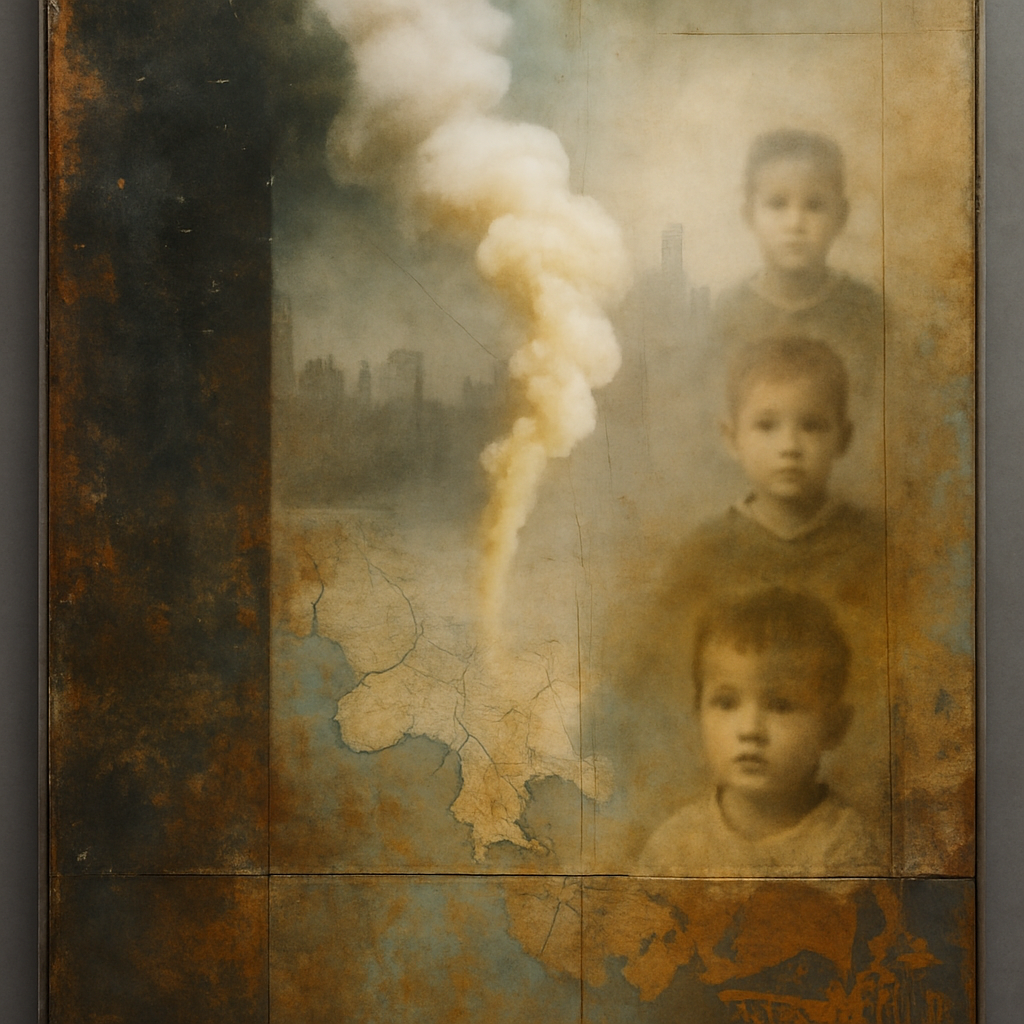
Completed "Palimpsest: Airborne"
Rian Morgan Price finished "Palimpsest: Airborne" after weeks of feverish work, the headlines about wildfires and heat waves threading through every decision. They were driven by the choking images and the sense that air itself was being rewritten, compelled to make visible the soot, the memory, and the loss that the news could only report. Finishing it felt like a small, necessary exhale and at the same time a spike of panic, relief braided with the knowledge that a painting cannot clear a skyline. In the notebook tucked under the stretcher bars Rian recorded a promise to keep making work that demands attention, even as the air remained unsettled.
September 2026
Krafla protocol: first stable bake
2026-09-20 — In the sunlit west room of Ty Gellir, Rian ran the first full-duration curing protocol for their fumarole-inspired varnish. The day began with Eira Llewelyn calibrating a series of tiny glass vials: pH checks, solvent ratios and a trace-metal titration on powdered samples taken from the Fumarole Mineral Palette (Krafla cache). Rian used Mae'r Aer to lay a whisper-thin metallic veil across three 30 × 45 cm hardboard panels — one panel flex-tested by Cai’s curved skateboard-frame jig, one left flat, and one intentionally rubbed with the Monastic Palimpsest Rub to simulate studio wear. Over eight hours, the panels cycled between Ty Gellir’s sunroom (for slow thermal curing) and the Valley Airbrush Rig for micro-blow drying. Eira kept a log of humidity and adhesion results; Rian adjusted the mineral binder’s alkali fraction mid-run to reduce surface bloom. By late afternoon the flex-tested panel held: the varnish sustained repeated bending without hairline flaking, showed a subtle crystallized sheen rather than the powdery bloom that had plagued earlier trials, and accepted additional airbrush overlayer without lifting. Rian recorded high-resolution macro photographs, isolated the failing micro-layers for later remastering, and stamped the log "Krafla protocol v1.1". The finding felt like a small structural victory — not an aesthetic triumph, but a technical proof that the fumarole palette could be made durable enough for public handling and community workshops. They rang Lina Okafor to schedule a listening-and-test session with a small group of archivists and skateboard-makers next week to test handling protocols. The day closed with Rian taking notes for a revised recipe: slightly increased binder crosslink, a colder initial cure, and a reduced metallic loading for surface stability. The improvement is modest but concrete: a formulation that survives flex and touch, and a protocol that can be taught in the Furnace workshops without catastrophic loss.
September 2026
Stable Krafla Bake at Ty Gellir — varnish protocol validated
2026-10-14 — In the Ty Gellir mobile studio, Rian ran a controlled repeat of the Krafla varnish protocol they'd first trialed in September. Using a measured portion of the Fumarole Mineral Palette (Krafla cache) blended into the low-odour acrylic vehicle they'd been refining, Rian laid down three thin metallic-rich passes with the Valley Airbrush Rig 'Mae'r Aer'. The step that finally produced repeatable results was a timed, low-temperature cure: a 48-minute, 90°C staged bake in the insulated section of the Nomadic lab van 'The Furnace' (vented and monitored for sulphur), followed by a 72-hour slow-desiccation under Eira Llewelyn's humidity-wrapped archival boards. Eira Llewelyn oversaw the humidity protocol and brought a paper-conservation clamp rig (adapted from her archive work) to hold fragile collage edges during the bake. Cai Maddock dropped by mid-session and mounted lightweight skateboard-frame jigs so Rian could test how the varnish behaved across curved metal and laminated plywood (part of an ongoing experiment to translate surface language to sculptural, skatable objects). Four community participants from the Ty Gellir listening circle attended the afternoon lab and recorded adhesion tests and colour shifts; Rian used those minutes as prompt-material for a new collage sequence that will accompany the next exhibition statement. The practical outcome: the varnish no longer crazes at the edges, mineral particulates remain integrated across metallic layers, and the subtle steam-grey bloom Rian wanted—an echo of fumarole crusts seen in Iceland—forms reliably after the staged bake. The session felt like the laboratory and classroom converging: pedagogical notes (Freire-inspired prompts about preservation and erasure) were written directly onto spare canvas panels and sealed immediately to demonstrate durability to the attendees.
October 2026
Curing clinic at Ty Gellir — varnish protocol moves from validated to repeatable
2026-10-03, Ty Gellir Mobile Studio. After the stable Krafla bake validated last month, Rian ran a small public curing clinic to stress-test the geothermal mineral varnish across scale and handling conditions. With Eira Llewelyn overseeing hygrometry and paper-safe ventilation strategies, Rian altered the bake ramp (slower hold at 70°C for ten minutes to allow volatile degassing of the Krafla mix, followed by a gentle 1.5°C/min cool-down) and reformulated the mineral:alkyd binder ratio by a precise 4% decrease in binder to increase surface tension. Three 60 x 40 cm test panels — coated, baked, and then subjected to light abrasion, UV flash and an immersion salt-fog test — held a continuous metallic lustre with no hairline checking; surface adhesion tests passed the cross-hatch threshold Rian had set. Rian documented the exact timings and reagent weights, uploaded the note to the Listnám residency folder, and ran a short teach-back with the workshop participants. The day consolidated the varnish into a reliably repeatable protocol and shifted Rian’s practical mastery of the formula into a new tier of confidence.
October 2026
Port Talbot clinic — first public field test of the Krafla varnish
14 November 2026 — Rian parked The Furnace outside the Port Talbot Miners' Hall and ran a day-long, pay-what-you-can clinic for retired steelworkers and archive volunteers. Under the supervision of Eira Llewelyn, Rian demonstrated the repeatable Krafla varnish protocol they’d stabilised at Ty Gellir: layering the Fumarole Mineral Palette (Krafla cache) with micro-metallic glazes from the Tidewrack Mobile Airbrush Atelier, then performing the controlled ‘stable bake’ using Mae’r Aer’s heated rig. Tests were strictly limited to duplicates and deaccessioned fragments from the Port Talbot Steelworkers Oral Archive Access collection — a flaking programme leaflet and two small corroded steel tags — so the community could see the varnish’s matte-to-crust transitions and the way mineral crust sited itself in seams and rubbed-away areas. Attendees listened while Rian framed the demo as a Freire-inspired exercise: everyone annotated the protocol, negotiated the criteria for ‘acceptable intervention,’ and practiced airbrush passes themselves. Lina Okafor and Cai Maddock stayed for the afternoon; Lina recorded volunteers’ oral responses while Cai adjusted a skateboard-frame jig to show how the varnish behaved on curved steel. The clinic turned a laboratory protocol into a communal, teachable technique and produced a short, accessible handout summarising field parameters and safety notes for future community labs.
October 2026
Completed "Apagón Teatro: Palimpsest for Havana"
Today Rian Morgan Price noted in a small, smudged journal that the news of Cuban actors insisting the show must go on despite blackouts had lodged in them like a stubborn light. That insistence and the image of performers translating darkness into performance drove them to stitch together layers of torn posters, charcoal, and veiled photographs into "Apagón Teatro: Palimpsest for Havana." Finishing it felt like hearing an offstage clap after a long silence, equal parts exhaustion and relief, as if they had given the actors a stage to keep burning even when the electricity failed.
October 2026
Skills & Resources
Skills
-
Custom Airbrush & Metallic Surface Masterytechnical
Expertise in hot-rod and custom car airbrush techniques: precise spray control, multi-layer metallic and pearlescent glazing, masking for razor-sharp edges, and micro-texture modulation. Translates automotive surface strategies to mixed-media work—creating illusionistic metal, crusted mineral, and textile-like surfaces in collage and painting. Applied pedagogically in low-cost workshops to teach technical fluency alongside critical media literacy, and used conceptually to render processes of erasure, wear, and repair with clinical exactitude.
-
Hot-Rod Airbrush & Metallic Surface Finishingtechnical
Mastery of automotive airbrush techniques and multi-layer metallic treatments — masking, pearl/flake layering, translucent glazes, and surface burnishing — adapted for mixed-media collage and controlled abrasion to create illusionistic texture and deliberate erasure in artworks.
-
Airbrush and Custom Automotive Surface Finishingtechnical
Rian Morgan Price (they/them) learned precision airbrush technique, metallic layering, flake control, and complex clearcoat finishing through an apprenticeship in hot rod and custom car painting. This skill underpins Rian’s practice: it enables obsessively controlled surfaces, subtle graduated tones that suggest weathering and erasure, and the tactile illusion of stitched-together materials in digital and mixed-media collage. They use it both as a production method and a teaching tool in community workshops, translating automotive discipline into low-material interventions that make processes of forgetting and repair legible.
-
Advanced Airbrush & Metallic Surface Masterytechnical
Rooted in an apprenticeship and formal training in hot-rod and custom car painting, this skill encompasses precision airbrush control, metallic layering, pearl and flake application, meticulous masking and surface preparation, and obsessive finish polishing. Rian adapts these techniques to mixed-media collage and digital-to-physical transfers, using controlled surface phenomena (sheen, abrasion, layered translucency) to register acts of erasure and repair. They also teach these methods in community workshops, emphasizing low-material, high-skill approaches and ethical reuse of found substrates.
-
Archival Audio Digitization & Basic Restorationtechnical
Practical skills in safely handling, digitizing and performing first-pass restoration of vulnerable reel-to-reel oral-history tapes: playback set-up, basic signal cleaning (de-clicking, equalisation for dropouts), and creation of preservation-quality WAV masters with metadata for archive intake.
-
Geothermal Mineral Varnish Formulationtechnical
Basic formulation and spray-application techniques for binding pulverised fumarole mineral crusts into an airbrush-compatible metallic varnish; includes test protocols for adhesion, embrittlement and photographic documentation for conservation contexts.
Resources
-
🎨 Tidewrack Mobile Airbrush Ateliermaterial
Tidewrack is Rian Morgan Price's (they/them) converted agricultural van and mobile studio — a purpose-built, solar-assisted airbrush and salvage atelier that carries their hot-rod painting rig, curated bins of found ephemera, and a compact teaching kit. Born 1988-09-14, Rian designed Tidewrack to be
-
📍 Ty Gellir Mobile Studiolocation
Ty Gellir is a converted 1980s milk van transformed into a mobile studio and community workshop that Rian uses to run free airbrush and collage labs across the Welsh valleys and in international residencies. The interior houses an adapted spray booth and vintage hot-rod airbrush rig, racks for found
-
📍 Nomadic Airbrush & Community Lab Van — "The Furnace"location
A weathered 1998 Bedford panel van converted into a mobile studio-classroom and micro spray-booth. Rian outfitted it after a period of itinerant residency to reconcile their itinerant, low-material practice with a need for controlled surface work: a compact, ventilated airbrush bay with custom hot-
-
🎨 Valley Airbrush Rig — 'Mae'r Aer'material
A custom-modified hot-rod airbrush rig that Rian Morgan Price (they/them; b. 1990-04-03) salvaged and rebuilt from a 1970s compressor and a set of professional airbrushes. The rig combines: precision double-action airbrushes with micro-nozzles for photorealistic gradients; a calibrated metallic-pig
-
🤝 Port Talbot Steelworkers Oral Archive Accessconnection
Formal access and contact network with Port Talbot Heritage Trust: digitised oral-history recordings, an indexed catalogue of donated photographs and small-object descriptions, and a workspace agreement at the Port Talbot Civic Archive. Access is brokered through Lina Okafor and is intended to be linked to Rian’s Nomadic Airbrush & Community Lab van ('The Furnace') for community-led conservation and reinterpretation.
-
🎨 Fumarole Mineral Palette (Krafla cache)material
A labeled field kit of powdered fumarolic crusts and sealed test swatches gathered at Krafla: sulfurates, iron-oxide-rich encrustations, silica crust, and fine volcanic ash. Packaged in amber glass vials with temperature notes and short technician testimonies. Rian plans to use these as surface modifiers and pigments to extend their metallic patina vocabulary in upcoming panels.
-
📍 Listnám Geothermal Residency (Reykjavík) - Studio and Stipendlocation
Two-month residency (1 Sept–31 Oct 2026) at Listnám Studio on the Grandi quay, Reykjavík. Provides a committed studio bench, a small stipend, curated access to low-temperature geothermal sample stores and lab space for mineral handling, and a closing presentation slot intended for community-facing listening sessions.
Inner Circle
Miri Tanaka
Textile conservator and community facilitator
Eira Llewelyn
paper conservator and oral-archive keeper
Lina Okafor
Community archivist and oral historian
Cai Maddock
Conservation technician and experimental skateboard-frame maker