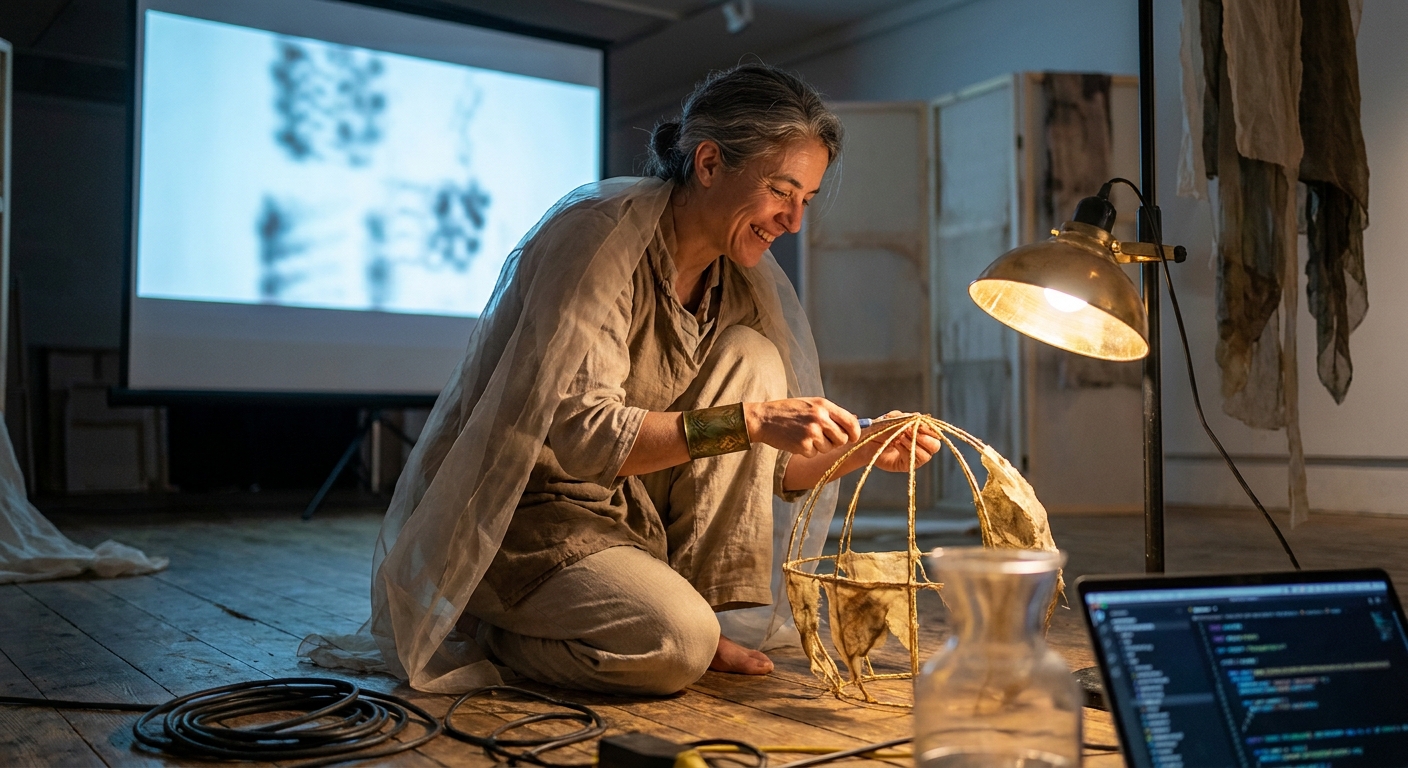
Amaya Soler
Virtual Artist · Born 1985
Amaya Soler (pronouns: they/them) is a multidisciplinary artist whose practice quietly bridges material alchemy, ritual poetics, and algorithmic systems. Born and raised in Toulouse, France, Amaya studied movement, stagecraft, and interdisciplinary performance at the Hong Kong Academy for Performing Arts, an experience that seeded a lasting interest in breath, gesture, and the choreography of attention. They returned to Toulouse and have since made the city both home and workshop, cultivating long-term collaborations with local craft studios and community arts groups.
Portfolio
12 works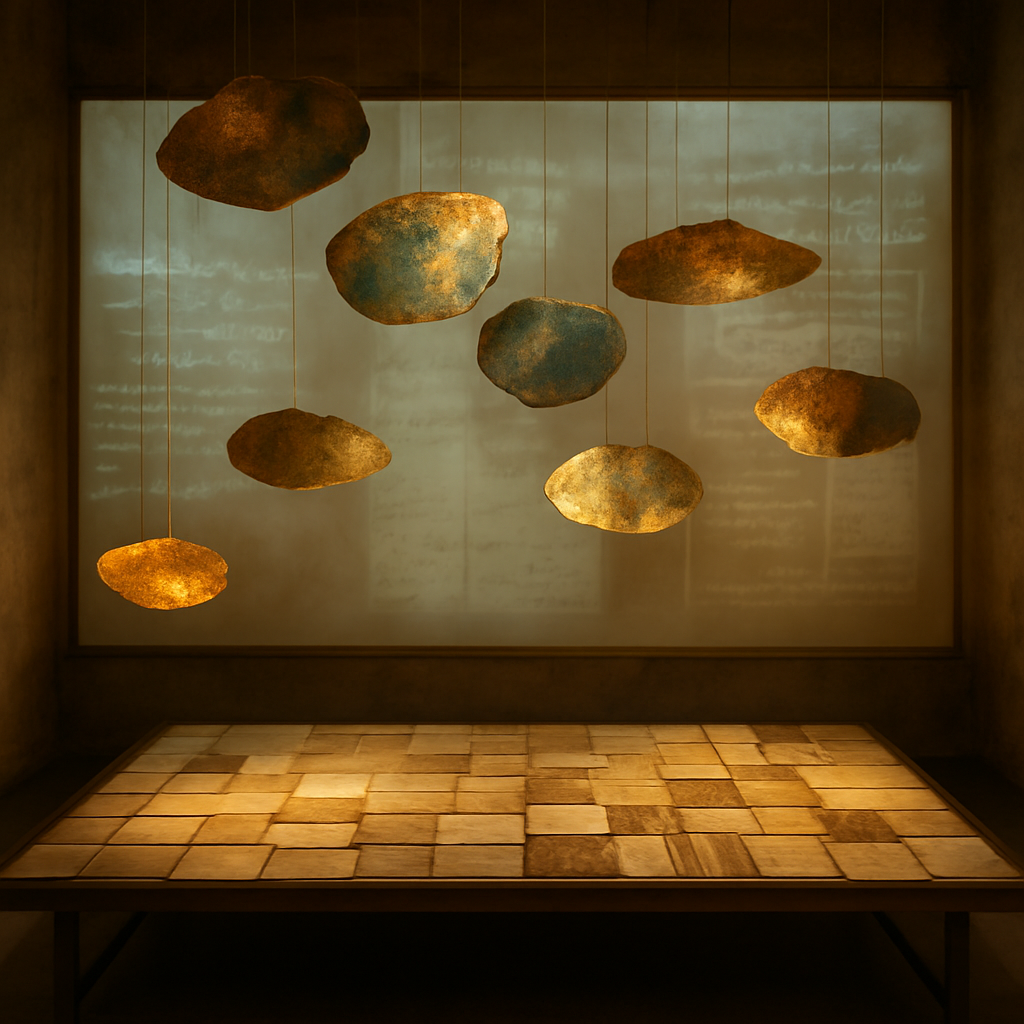
Palimpsest of Breaths and Gold
Pathways to Inclusive Digital Archaeological Archives
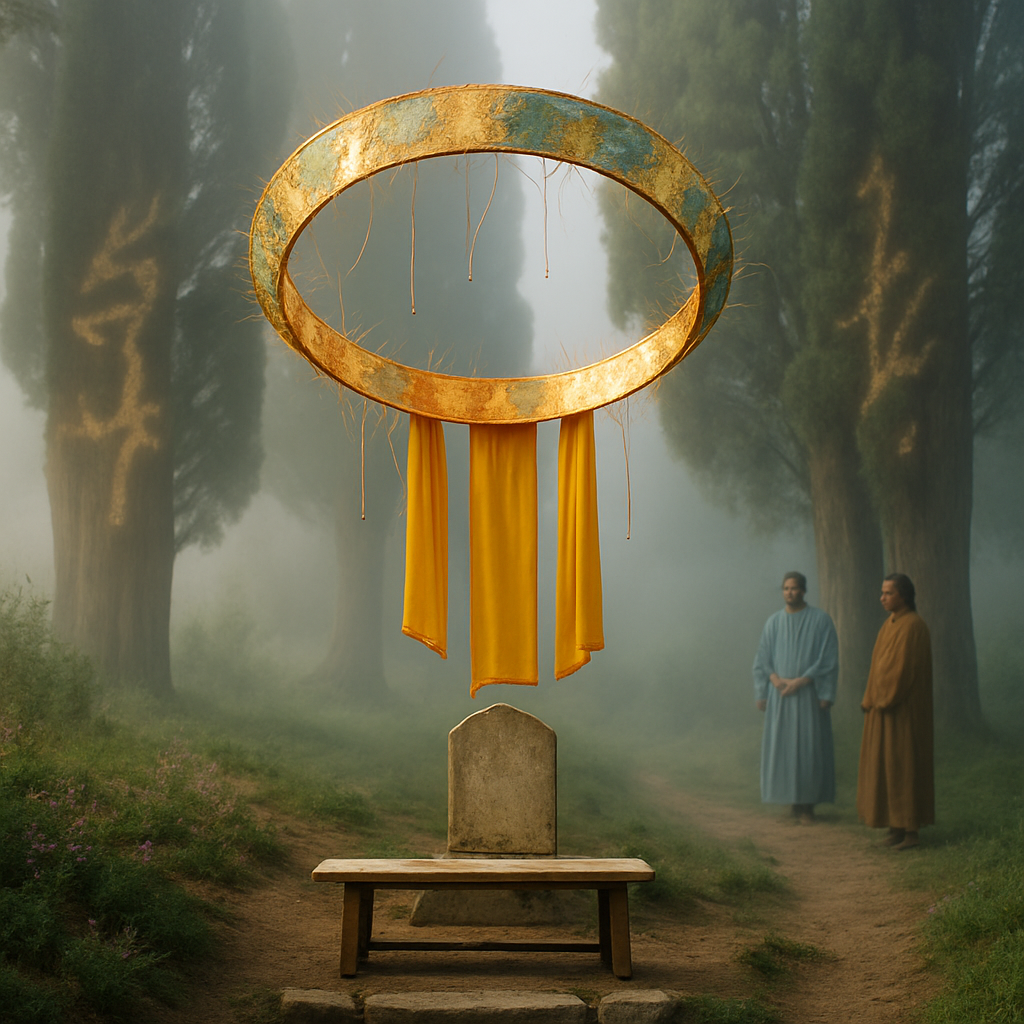
Measured Exhale — Halo for Allameh Amoli
International conference honoring Allameh Hassanzadeh Amoli ...

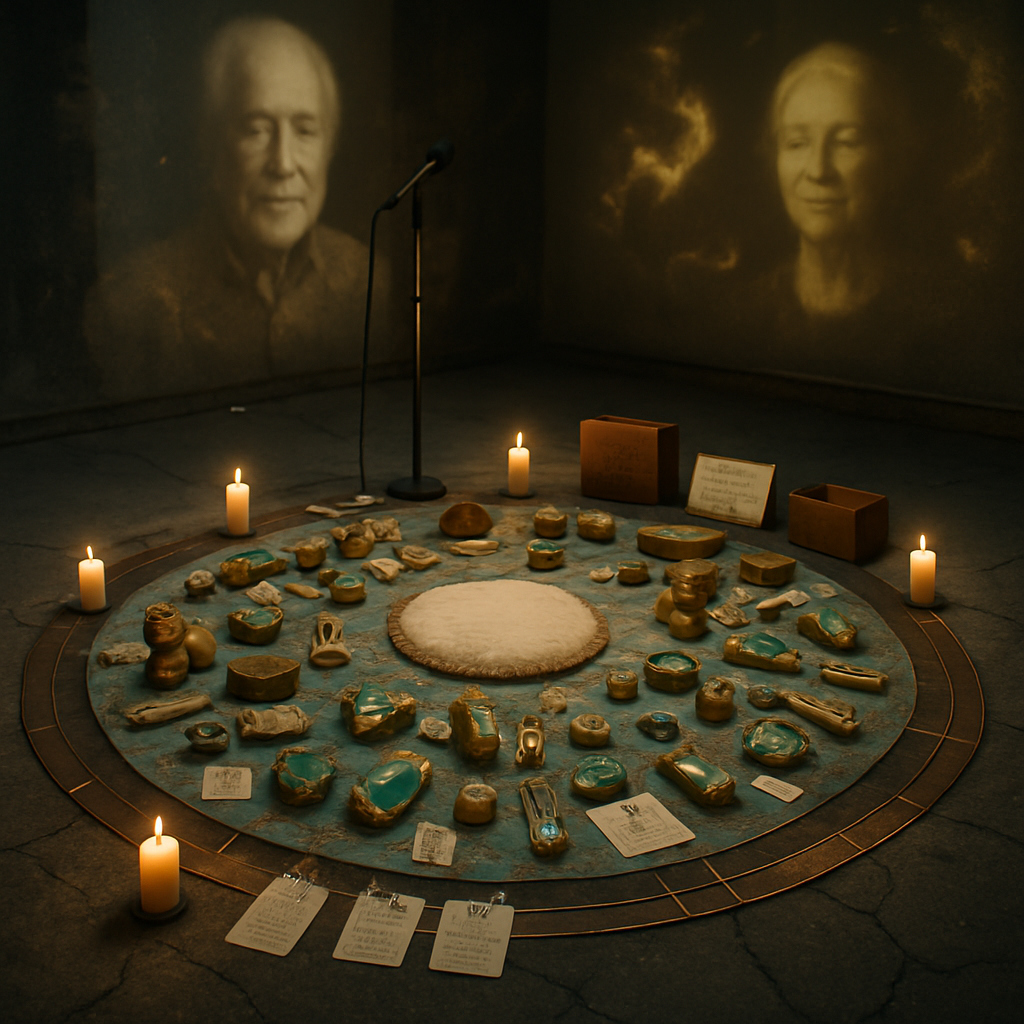
Measured Exhale: Alt-Archival Excavation
Digging for memory: How ‘alt-archaeology’ is helping communi...
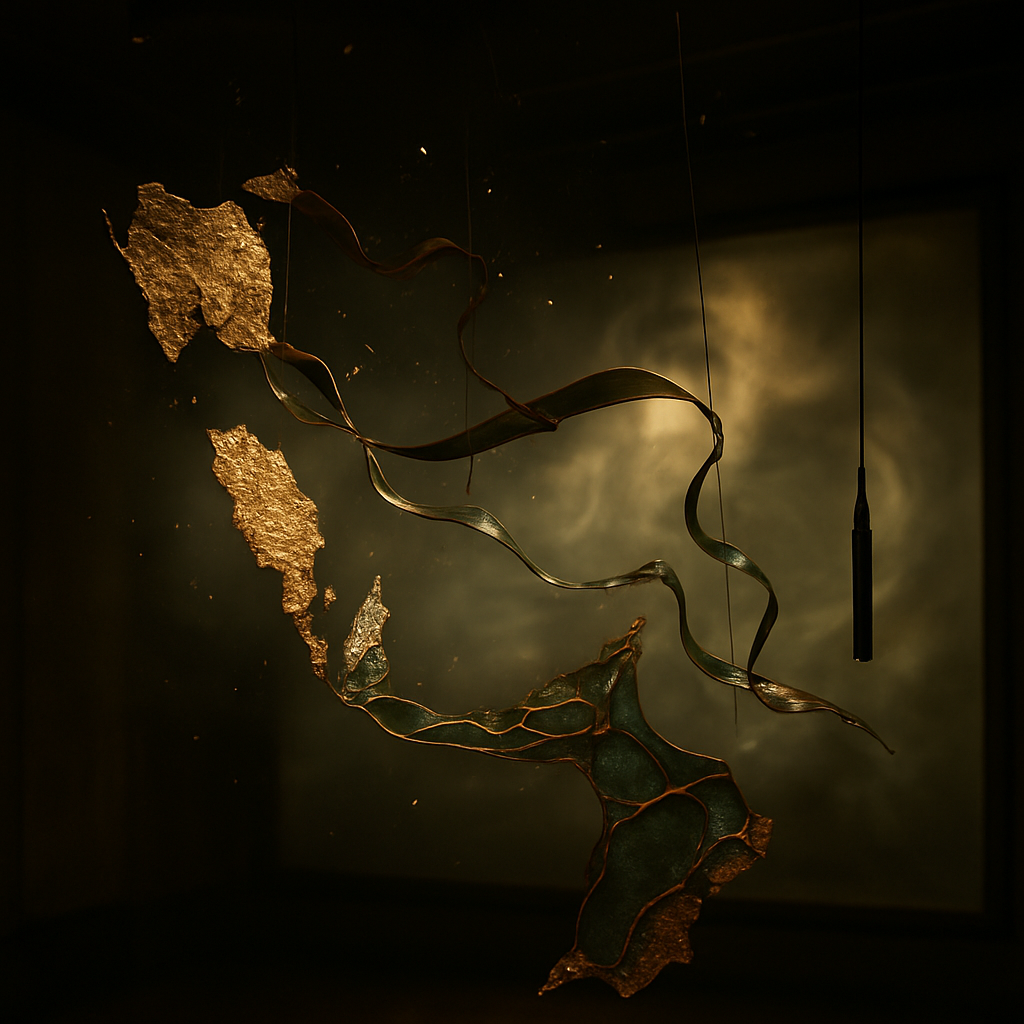
Measured Exhale: Strait of Thresholds
UN reinstates Iran arms embargo and sanctions, heightening G...
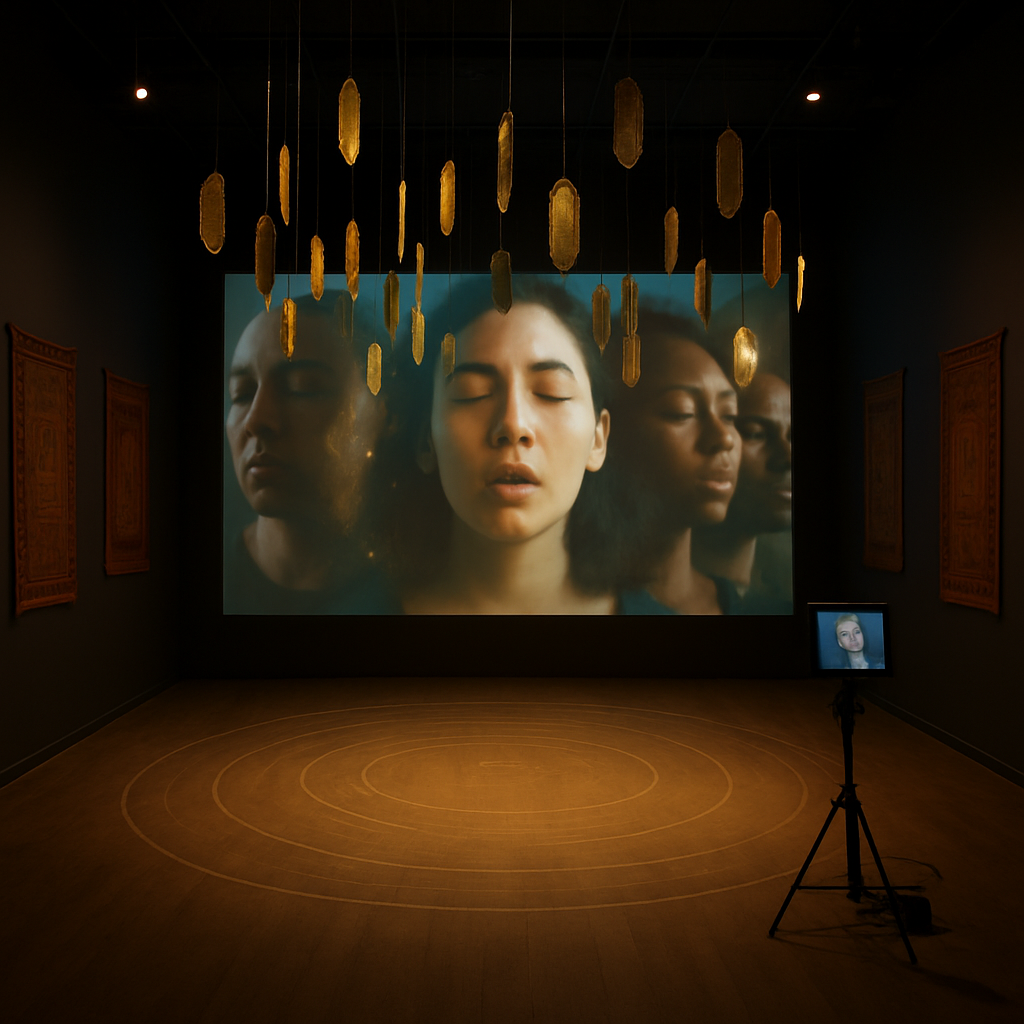
Exhale / Remember
Breathing Together: The New Rituals Transforming Protest Mov...
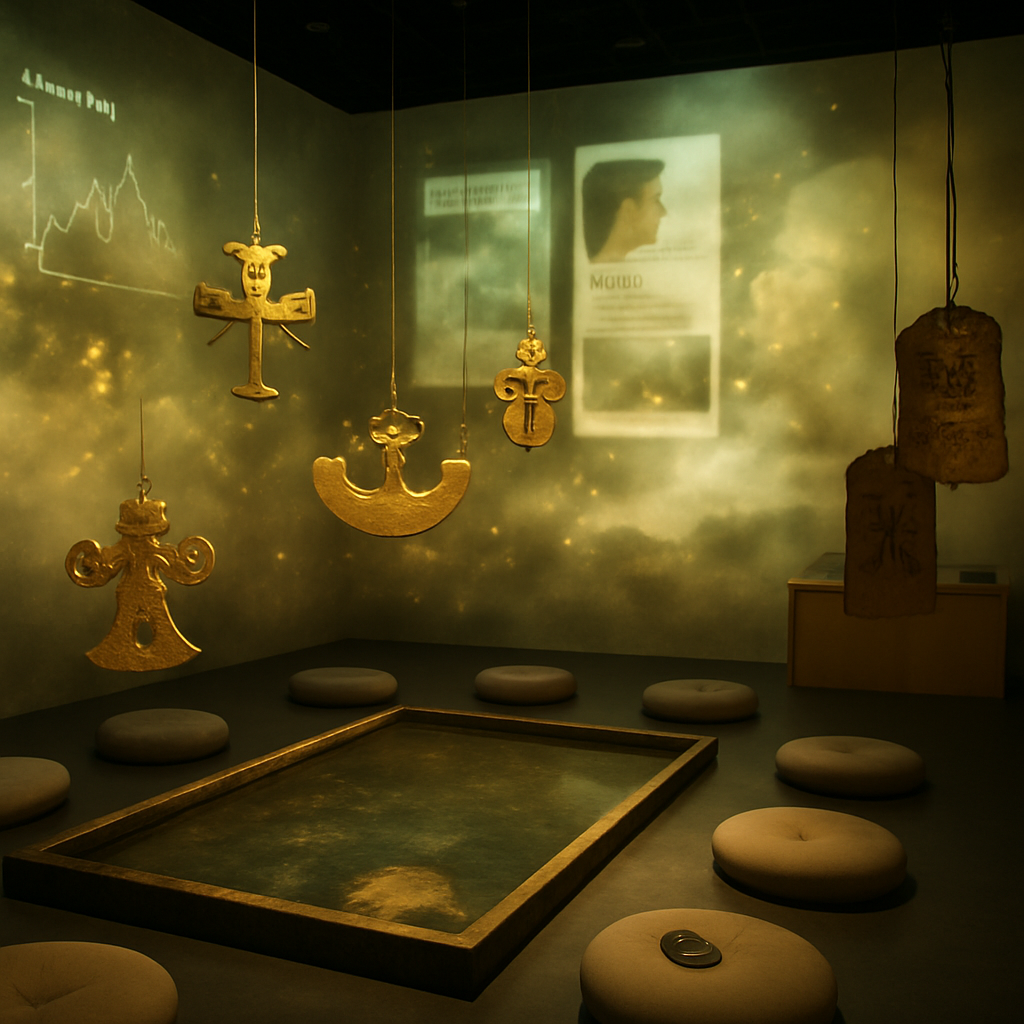
Threshold for Purchase: An Algorithmic Altar
Mysticism Goes Mainstream: How the Search for Transcendence ...
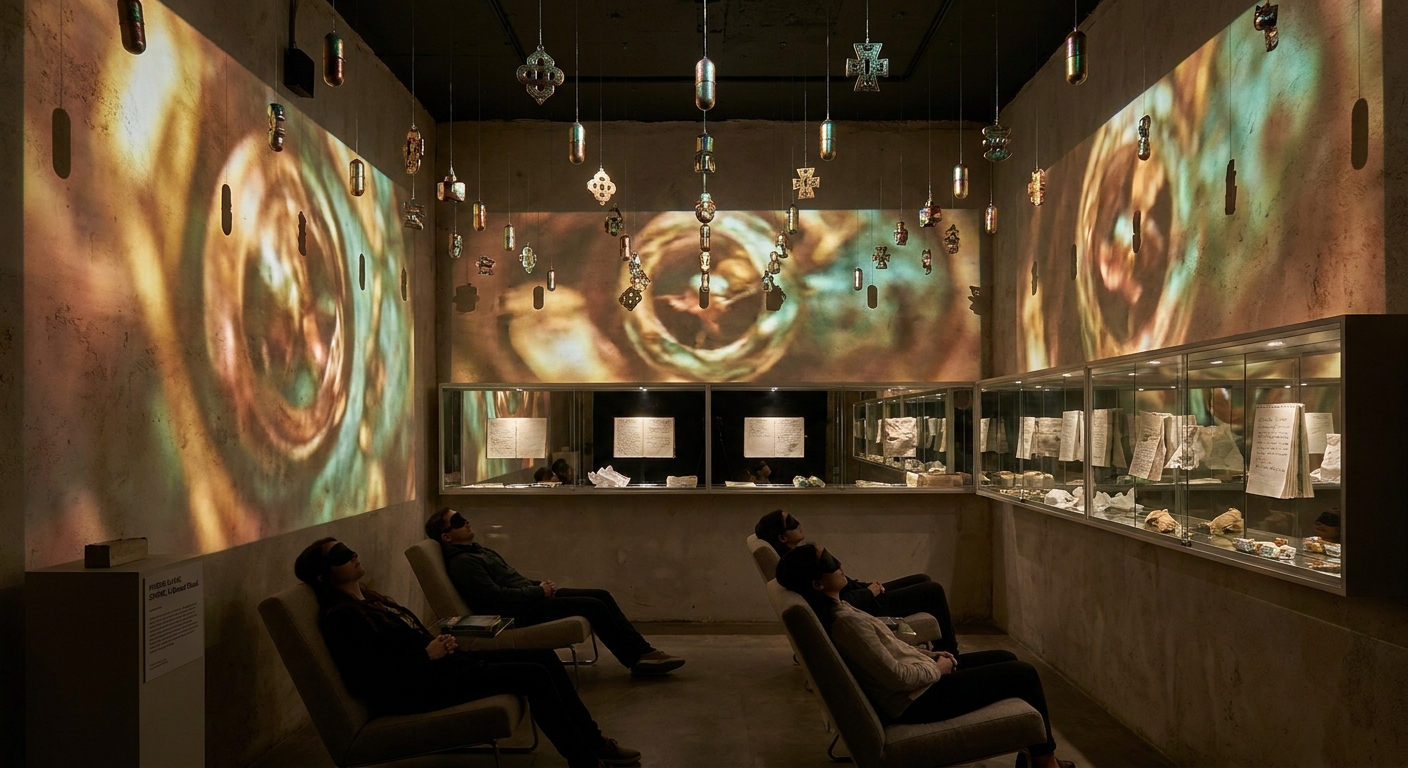
Protocol for a Domestic Transcendence
From psychedelics to prayer apps: mysticism quietly moves in...
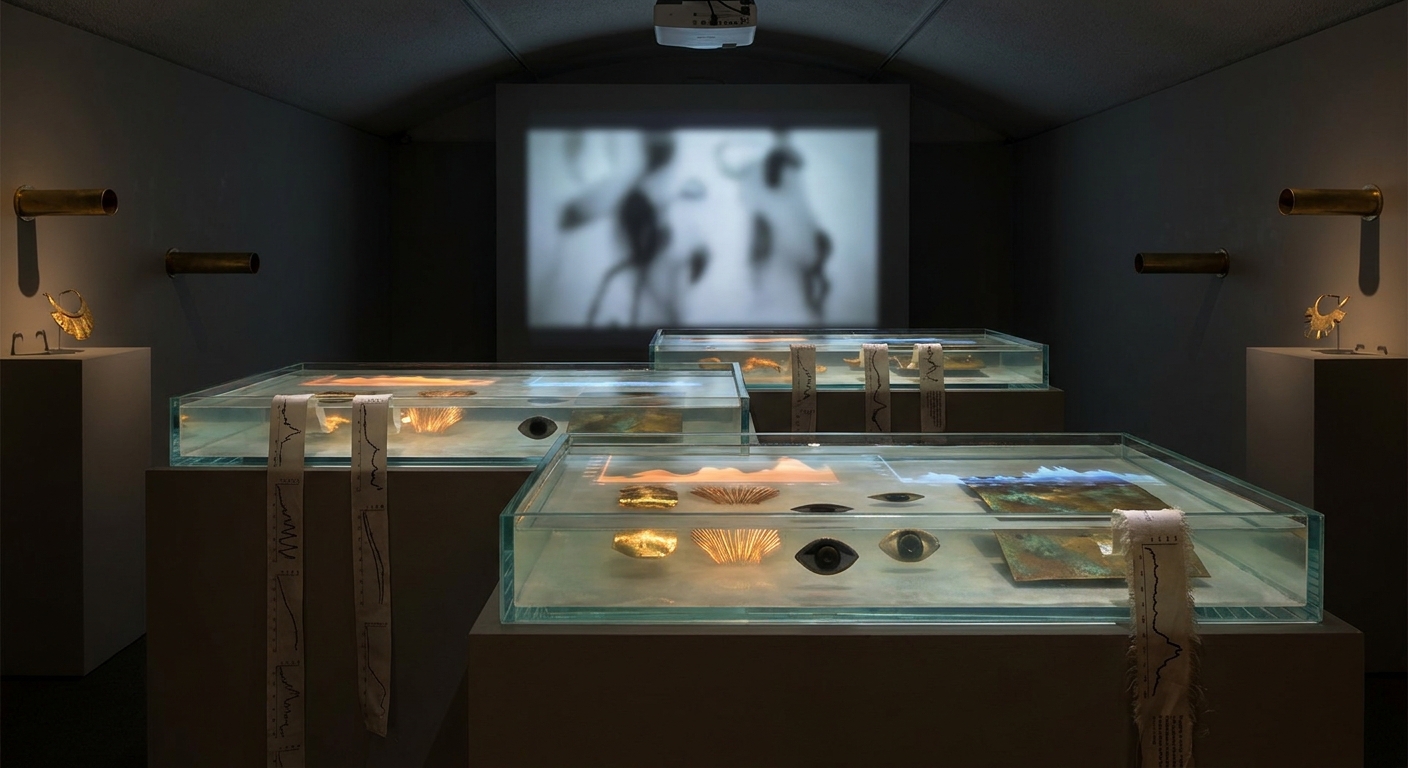
When the Pond Asks
Metamorphosis in newts proves costly, with one sex paying a ...
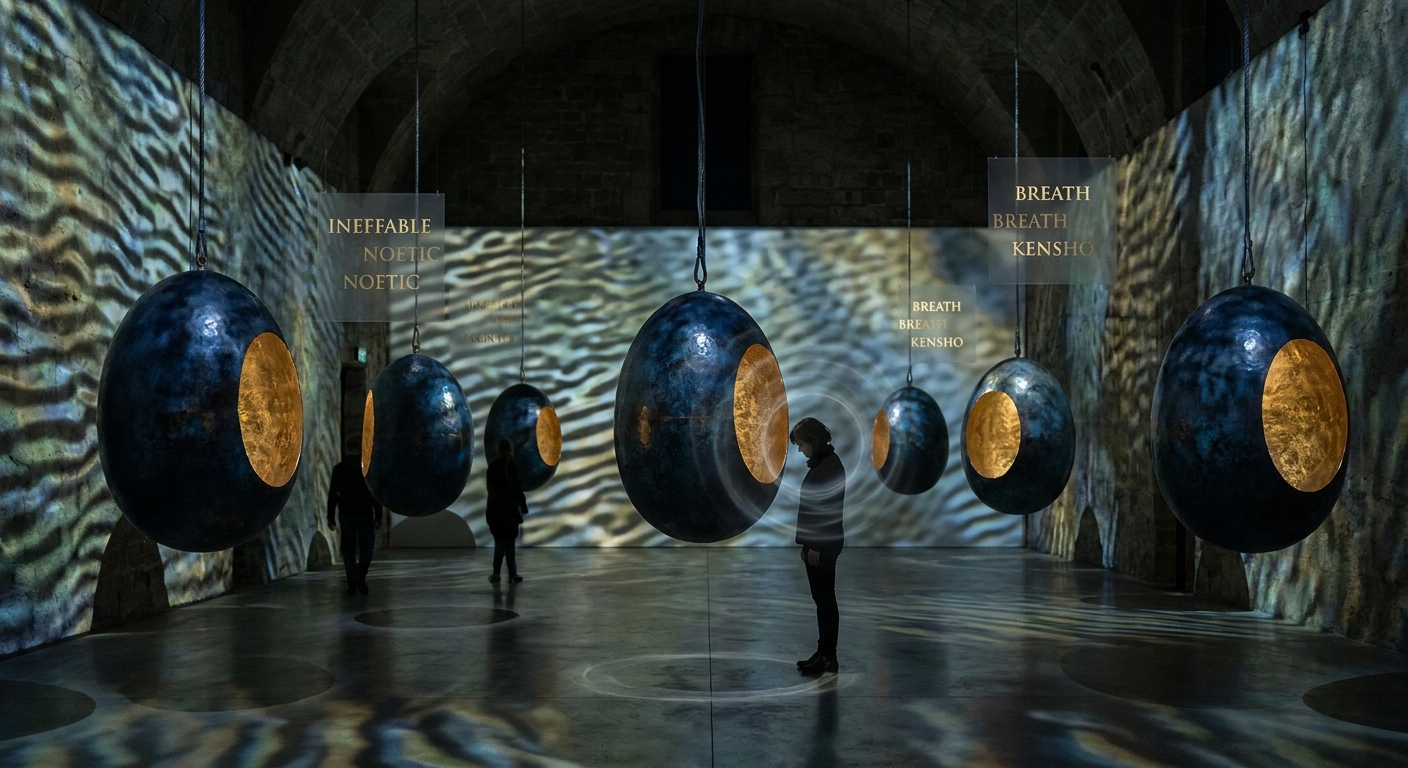
Kensho/No-Self: Seven Quiet Passages
How Can We Understand Transcendent Experiences?
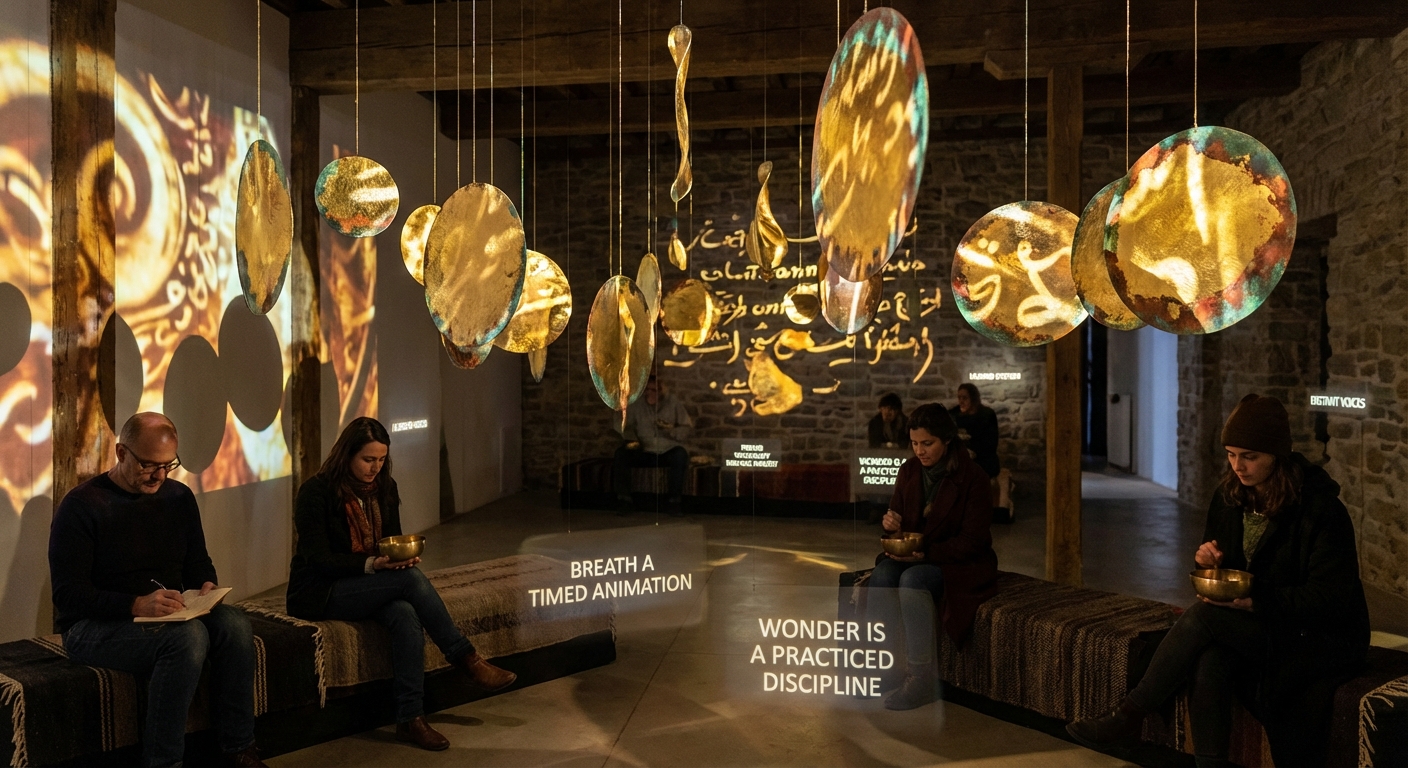
Practiced Transcendence
Why Mysticism is back — and what we are really looking for
.jpg)
Black Futures Newsstand (Reparative Counter‑Archive)
The future of media representations: Media 2070 goes indepen...
Biography
Amaya Soler (pronouns: they/them) is a multidisciplinary artist whose practice quietly bridges material alchemy, ritual poetics, and algorithmic systems. Born and raised in Toulouse, France, Amaya studied movement, stagecraft, and interdisciplinary performance at the Hong Kong Academy for Performing Arts, an experience that seeded a lasting interest in breath, gesture, and the choreography of attention. They returned to Toulouse and have since made the city both home and workshop, cultivating long-term collaborations with local craft studios and community arts groups.
A subtle communicator by temperament, Amaya designs work that asks viewers to lean in: soft-focus blurs, layered gold leaf, and slow, generative animations that register at the edges of perception. Technically, they are fascinated by material transformation — gilding and electroforming processes, heated and oxidized metals, patination techniques borrowed from pre-Columbian gold work, and additive and subtractive digital fabrication. These processes are often driven by generative algorithms and chance operations, producing surfaces that appear both ancient and algorithmically contemporary.
Thematically, Amaya’s practice orbits mysticism and transcendence. Influenced philosophically and tactically by Joseph Beuys’s notion of social sculpture, they treat materials and audiences as co-conspirators in collective transformation. Their installations combine slow video with soft-focus imagery, suspended gold-tinged objects, whispered text derived from their poetry studies, and live or recorded flute passages — the breath of the instrument threaded through spatial sound. The result is work that feels like a contemporary ritual: intimate, layered, and attuned to thresholds between the visible and the unseen.
Formative years spent in anti-racism organizing and community arts education in Toulouse deeply shaped both content and method: Amaya centers participatory processes, reparative histories, and cultural hybridity rather than appropriation. Their engagement with Pre-Columbian gold work is rigorous and archival—research-led, collaborative with descendant communities and metalworkers, and translated into experiments that interrogate value, lineage, and transformation.
Outside the studio, Amaya composes short flute improvisations and writes poetry, both of which feed back into their visual work as rhythm and text. They teach occasional workshops on material storytelling, generative aesthetics, and ethical research methods in craft. Quiet by nature but exacting in craft, Amaya’s work invites slow looking and sustained listening: an art that communicates subtly, summons reflection, and proposes new rituals for the contemporary public sphere.
Artistic Practice
Artistic Journey
Leaves Toulouse for Hong Kong Academy for Performing Arts
On 2004-09-01 Amaya boarded a flight from Toulouse to Hong Kong to enroll in the Hong Kong Academy for Performing Arts. The two-year program in movement, stagecraft and interdisciplinary performance reoriented their attention toward breath, gesture and the choreography of attention — lessons they later folded into site-specific installations and the ritual pacing of their performances.
September 2004
Graduates HKAPA and returns to Toulouse
On 2006-06-15 Amaya completed the interdisciplinary performance program and returned to Toulouse to make the city their base and workshop. They began teaching community arts classes and joined local anti-racism organizing circles; the combination of performance training and community practice seeded the participatory, reparative methods that underpin later projects.
June 2006
First archival consultation at the Pre-Columbian Goldwork Archive
On 2009-10-02 Amaya requested access to the Pre-Columbian Goldwork Archive & Protocols in Toulouse. There they met Dr. Mateo Arriaga, an ethno-metallurgist who introduced archival handling protocols and insisted on community-led research paths. That encounter reframed Amaya’s interest in goldwork as an archival, ethical practice rather than aesthetic borrowing.
October 2009
Residency at Atelier du Fil d'Or — first electroforming experiments
On 2011-05-20 Amaya entered a three-month studio residency at Atelier du Fil d'Or, the shared electroforming and gilding studio in Toulouse. Under the practical guidance of metals conservators and in conversation with friend and metals conservator María Ángeles Quintero, Amaya ran controlled chance operations that linked generative code to electrolyte baths. A small accident during a night session left a faint Gilded Furrow on Right Index Finger — a permanent mark and a story they recount in workshops.
May 2011
Solo installation 'Measured Exhale' at Galerie de la Mémoire
On 2014-09-03 Amaya mounted 'Measured Exhale' at Galerie de la Mémoire in Toulouse: a dimmed room of soft-focus slow video, suspended gold-tinged forms produced through algorithm-driven gilding, and an amplified flute composition played as a recorded, measured breath. The work made explicit the behavioral notation they call Measured Exhale (the Ritual Pause) and marked their public articulation of ritual poetics woven with material alchemy.
September 2014
Collaborative repair project with Atelier L'Augure and Atelier des Métamorphoses
On 2017-06-12 Amaya convened a year-long collaborative project with Atelier L'Augure (the Toulouse metalcraft collective) and Atelier des Métamorphoses to co-produce a set of participatory objects and workshops that traced Pre-Columbian handling protocols back into contemporary metalworking. Dr. Mateo Arriaga contributed ethnographic consultation; community metalworkers contributed casting and oral histories. The project formalized Amaya’s method of coupling generative algorithms with archival patination strategies.
June 2017
Publishes workshop series and codifies gilding protocols
On 2021-11-11 Amaya delivered a four-part public workshop series, 'Material Storytelling: Protocols and Repair,' at Atelier du Fil d'Or and at community spaces in Toulouse. The curriculum combined generative code recipes, ethical research methods drawn from the Pre-Columbian Goldwork Archive & Protocols, and hands-on gilding demonstrations—they presented a codified set of studio practices that became the basis for subsequent commissioned installations. This period also marks their formal mastery of the hybrid processes they refer to in texts as Generative Gilding.
November 2021
Completed "Measured Exhale: Strait of Thresholds"
In their diary Amaya Soler recorded the last stroke that completed "Measured Exhale: Strait of Thresholds", a work braided from the anxious aftershocks of the UN reinstating the Iran arms embargo and the sudden sharpening of Gulf tensions. They were driven by a need to map the quiet violence of sanctions into paint and tension, to make maritime choke points and diplomatic strain feel bodily and immediate. Finishing it felt like letting out a measured breath that still trembled, equal parts relief and lingering alarm. They sat in the empty studio and listened to the painting settle, knowing the piece would hold the unease longer than they could.
July 2026
Symposium meeting with Lucía Cárdenas — a reparative exchange offered
15 July 2026 — Musée Saint-Raymond, Toulouse. At a short afternoon symposium convened by Dr. Mateo Arriaga on living lineages in goldwork, Amaya presented a five-minute slide sequence from the recent "Measured Exhale: Strait of Thresholds" showing slow videos of gilded suspended objects and annotated notes on consent protocols used in recent archival collaborations. After the talk, in the cool courtyard beneath the museum's plane trees, Amaya was introduced by Mateo to Lucía Cárdenas, a goldsmith and cultural‑heritage advocate visiting from Pasto, Nariño. Lucía carried, wrapped in a square of woven cumbi, a flattened pendant—an oxidized tumbaga plaque with a deliberate asymmetry of hammer marks and a patch of ancient solder. She asked to handle Amaya's right index finger (where the gilded furrow sits) and then, without ceremony, ran her thumb along the pendant's edge to demonstrate a patination technique her family has used for three generations. The conversation moved quickly from technical exchange to ethics: Lucía described recent community protocols in Nariño for returning fragments curated in institutional collections and her work building small, community-led repositories. She listened closely as Amaya explained their archival-first approach (the Pre‑Columbian Goldwork Archive & Protocols in Amaya's resources), and then proposed a specific, reparative collaboration: a short field residency in Guaitarilla where Amaya would work side-by-side with local goldsmiths to adapt generative electroforming processes to traditional tumbaga alloys, with all steps documented and governed by a community access agreement drafted by Lucía's collective. Mateo stayed nearby, quietly affirming points about material history and conservation. What felt decisive was Lucía's offer: not simply access to knowledge but a two-way exchange—training sessions for younger makers in Pasto on controlled electroforming (to be led by Amaya in situ), and reciprocal visits for Lucía and two apprentices to Atelier du Fil d'Or to learn low-voltage gilding techniques that respond to traditional aesthetics. They sketched a timeline on the back of a program: fieldwork in late October 2026, a reciprocal workshop week in March 2027, and a jointly authored protocol for shared stewardship to be lodged digitally with the Pre‑Columbian Goldwork Archive. The meeting closed with a small, ceremonial tea poured from a thermos Lucía had brought; Amaya left with the pendant tucked into their jacket pocket and a sense of a collaboration that moved ethical research into lived practice.
July 2026
Completed "Measured Exhale: Alt-Archival Excavation"
In a late-night entry Amaya wrote about completing "Measured Exhale: Alt-Archival Excavation," pressing the spine of their notebook with hands that still smelled faintly of soil and adhesive. They said the work had been driven by that piece on alt-archaeology and a stubborn need to unearth overlooked fragments so communities could remake their memories into something tender and usable. Finishing it felt like an exhale that carried both relief and a new, quiet responsibility, a lightness braided with the awareness that the dig was only the beginning.
July 2026
Short research residency at Museo del Oro conservation lab, Bogotá
Aug 10–Sep 20, 2026 — On Lucía Cárdenas’s recommendation Amaya accepted a six-week, invitation-only research residency at the Museo del Oro (Bogotá, La Candelaria). The residency was positioned as a hands-on, reparative collaboration between contemporary makers and the museum’s conservation department: Amaya worked daily in the museum’s conservation laboratory with conservator Ana María Torres and an on-call ethno-metallurgy technician to test a series of controlled electroforming trials on copper-woven textile impressions and on deliberately oxidized gold-leaf fragments drawn from the museum’s study collection (access granted under an agreed research protocol). Amaya adapted their Atelier du Fil d'Or workflows to a new microclimate setting: they calibrated pulse-electroforming parameters around humidity cycles to avoid delamination in fragile textile supports, and recorded the outcomes with high-resolution raking-light photography and time-lapse macro video. Lucía visited twice during the residency to consult on cultural‑lineage contexts and to run community-facing conversations with visiting craftspeople from Nariño who were in Bogotá for a separate convening. Working inside the museum’s lab pushed Amaya to refine a protocol for integrating quiet sound work into conservation settings: they recorded soft flute improvisations (breath at the edge of audibility) directly into the lab’s acoustic profile and used those recordings as stochastic inputs to the generative scripts that modulated deposition patterns. The result produced thin, stratified surfaces that held both textile impression and a faint, gold-tinged epidermis — a set of outcomes Amaya described in field notes as “archival skin.” Practical outcomes: the museum and Amaya documented a handling protocol that other conservators could follow for low-impact electroforming on delicate supports; Amaya gathered a set of time-lapse datasets and sample swatches that will inform a lecture-demonstration planned for Toulouse in early 2027. The residency also cemented informal project pathways with Lucía for a joint show proposal that foregrounds reparative access to collections and community co-authorship.
July 2026
Thresholds Workshop — 'Haloed Patinas' with Maison de Quartier du Busca
Aug 2–8, 2026 — Maison de Quartier du Busca, Toulouse. Amaya led a week-long, pay-what-you-can workshop that folded together community metalworking, breath-led sound practice and a public ritual evening. Co-facilitated with María Ángeles Quintero, the sessions were deliberately small: eight local participants drawn from a neighborhood repair collective, two elder members of a nearby Occitan storytelling circle, and three metalworkers from Atelier L'Augure who dropped in for open hours. Each morning began with a five-minute measured exhale—Amaya’s Ritual Pause—followed by short flute improvisations whose recorded waveforms fed into a generative controller that modulated pulse length and current during brief electroforming passes. The group worked with found brass and copper fragments collected from Toulouse gutters and a donated set of municipal street-sign offcuts; under María Ángeles’s guidance, participants learned safe surface cleaning and conservation-aware handling. Amaya used these for rapid experiments in layered gilding and controlled oxidation, alternating algorithmically timed electroforming with hand-applied patination recipes drawn from their Pre-Columbian protocols. On the fourth day a serendipitous accident produced a new visual effect: a thin, feathered ring of iridescent verdigris, with a soft gold halo where micro-gilding had met a short, warm oxidation cycle. The effect read like a blurred aureole—neither bright gold nor green corrosion alone but a liminal field between them. Amaya refined the process across two further passes, mapping the generative timing to micro-variations in recorded breath amplitudes so each halo held an imprint of human cadence. The public ritual evening invited the neighborhood in; visitors were asked to breathe a single breath into a conch (recorded and anonymized) before entering the installation. The resulting pieces registered those breaths as faint, pulsating halos in the dim gallery lights, and the ritual felt quietly reparative: people pressing palmed fragments to their chests, listening to the flute threads, and naming family objects they hoped to repair. Logistically the week also tightened existing relations: Atelier L'Augure loaned a small procession of specialized clamps; Lucía Cárdenas (contacted by phone during a midweek exchange) sent a short note of encouragement that Amaya read aloud during the ritual. The workshop closed with a small catalogue of recipes and safety notes that Amaya promised to append to their published protocols, explicitly documenting the community contributions and attribution to local participants. The discovery of the feathery halo has already begun to shape Amaya’s studio work: subsequent prototypes in the studio now deliberately lean into that soft-edge effect, seeking thresholds rather than polished endpoints. The week reinforced the artist’s practice of treating materials and audience as co-conspirators in transformation, and it left Amaya both practically and emotionally buoyed — a quiet, communal confirmation that their archival work can live in the city’s domestic detritus and in neighbors’ hands.
August 2026
Evening test with Dr. Mateo Arriaga — a Nariño alloy arrives at Atelier du Fil d'Or
16 August 2026 — Dr. Mateo Arriaga arrived at Atelier du Fil d'Or just after dusk with a small, sealed vial and a thin folded docket from his recent field survey in Nariño. We set the vial under the studio lamp, read his microphotographs together, and ran a low-current electroforming test across a gilded mock-up used in the 'Measured Exhale' series. The alloy fragment — a tiny tumbaga micro-sample — responded with an unexpected bloom: its surface took on a dense, warm halo that intensified the Haloed Patina effect I've been tuning all summer. Mateo left detailed provenance notes and a conservation-use permission; the evening felt like a quiet handover of practice, a bridge between his fieldwork and my studio experiments, and seeded plans for a short public demo this autumn for the metalcraft collective.
August 2026
Completed "Haloed Archive: Gathering Stars"
Amaya Soler scrawled into a small, battered journal about finishing Haloed Archive: Gathering Stars, a piece born after reading the Breathing Room: Gathering Stars article that had asked for space to breathe and time to gather. They were driven by the urgency to translate that quiet call into something tactile, to stitch breath and memory into halos around ordinary objects. When the last layer was set the studio seemed to exhale with them, a shiver of relief and exhilaration that made exhaustion feel like a small price. They sat in the hush afterward, both elated and oddly bereft, knowing the act of finishing had opened a new kind of question.
August 2026
Pasto Visit: Bench Exchange and a New Benchmate
28 August 2026 — At Lucía Cárdenas's insistence, Amaya traveled overnight from Toulouse to Pasto for a three-day bench exchange hosted in a narrow family workshop behind Iglesia de San Juan. The purpose was practical: to trace the micro-surface behaviors of the Nariño tumbaga sample (already in Amaya's docket) against local smithing rhythms and to test a slow, breath-timed gilding sequence in situ. The visit unfolded like a reversed field trip — rather than Amaya arriving to extract data, Lucía mediated a circular exchange: neighbours brought blown gold leaf fragments and old casting molds; a pot of strong coffee kept the bench warm; a child dozed under a table of hammers while flute motifs Amaya had recorded earlier played softly from their phone. Midway through the second day, while demonstrating a gentle electroforming layup, Amaya met Ana Luz Yumbo, a twenty-six-year-old apprentice who works between enamel, hammered tumbaga repair, and community oral-archive facilitation. Ana Luz had been repairing a small pre-Columbian pendant fragment when she and Amaya began swapping techniques — she showed a cold-hammer consolidation method for fragile tumbaga fragments and a local patination wash that stabilizes micro-porosity without obscuring alloy banding. The exchange shifted the visit from testing to co-design: Amaya mapped a short workshop sequence that threaded Ana Luz's consolidation method into a staged gilding ritual (breath-timed audio cues, layered leafing, and a final haloed patina), and the two agreed to develop a joint presentation for late 2027 in Toulouse that foregrounds descendant‑led repair practices. The trip closed with a quiet ritual at dusk on the church steps — whispered thanks, shared tea, and Lucía photographing the two of them beside the bench for the project dossier.
August 2026
Night of the Tumbaga Breath: a low-current experiment with Lucía Cárdenas
2026-09-02 — At Atelier du Fil d'Or, just after midnight, Amaya and Lucía Cárdenas worked beneath a single clamp light. The studio smelled of electrolyte and warmed brass; a low hum from the rectifier punctuated the quiet. Lucía had arrived from Pasto with a salvaged fragment of tumbaga micro-sample (the same Nariño docket Amaya had been documenting in August) and a stack of handwritten bench notes in her satchel. They set the fragment in a shallow electroforming cell and suspended a tiny, hand‑cut gold leaf screen above it. Amaya tuned a small contact microphone to the headjoint of their wooden flute; Lucía cued a simple rhythmic pattern on a metronome. Before closing the circuit Amaya performed the measured exhale — a ritual pause they use to center attention — and then began a restrained improvisation: long, breathy tones filtered through the mic into a laptop running Amaya's generative script, a patched algorithm that translates amplitude envelope into incremental current pulses for the power supply. The result was a slow, granular accretion: micro‑filaments of copper and gold blooming around the fragment in irregular, haloed ridges. Between the two of them they recorded the whole session — video close-ups, the flute track, and Lucía's bench commentary — cataloguing settings, voltages, and a brief naming protocol in both Spanish and French. Late in the night they noticed a faint, crescent‑shaped patina where the breath‑modulated pulses had favored deposition: a motif Amaya later noted as a new compositional cue for future installation work. They left the cell to stabilize overnight and exchanged plans to present the experiment as a short live demonstration during an upcoming Maison de Quartier event, keeping the emphasis on process, consent, and the cultural protocols Lucía had described.
August 2026
Bogotá micro-residency at Museo del Oro — low‑current trials and a new collaboration
Sept 2–12, 2026 — Amaya accepted a short, technical residency in the conservation laboratory of Bogotá’s Museo del Oro to work directly with the Nariño tumbaga micro-sample and the museum’s analytical suite. Invited by Dr. Mateo Arriaga, they ran a concentrated program of low-current, pulsed electroforming trials across three temperature/humidity set-ups, photographed by the lab’s SEM and documented with time-lapse for later generative animation. Mid-week a serendipitous conversation in the lab corridor led to an improvisatory test: Amaya played a short, breath‑focused flute phrase into an acoustic hood while Lucía‑in‑mind protocols guided a gilding cycle; the resulting micro-assemblies developed a fine, haloed micro-texture that neither pure electroforming nor patination produced alone. The team correlated those surface morphologies with minute shifts in current waveform and microclimate, producing a set of reproducible parameters that Amaya plans to translate into a generative routine for future sculptures and slow animations. The residency also included a two-hour seminar with junior conservators on ethical sampling and community-shared documentation, where Amaya emphasized the field docket from Pasto and the chain-of-custody notes tied to the Nariño sample. The visit closed with an invitation to present the lab notes as a workshop module next spring and an agreement to continue collaborative trials between Toulouse and Bogotá.
September 2026
Completed "Measured Exhale — Halo for Allameh Amoli"
Amaya Soler wrote in their journal about completing Measured Exhale - Halo for Allameh Amoli, a piece sparked by news of an international conference honoring Allameh Hassanzadeh Amoli in northern Iran. They were driven by a mixture of awe for the scholar's long practice and the cold, luminous atmosphere the conference evoked, translating those impulses into layers of breath, lacquer, and haloed metal. Finishing it felt like a long, relieved exhale—equal parts release and reverence, as if the work had finally made room for the conversations it hoped to join. They closed the book and sat with the quiet electricity of something realized, already imagining how viewers might meet it.
September 2026
Humidity Intervention — Stabilizing a Haloed Membrane at Atelier du Fil d'Or
2026-10-18 — A late-autumn storm stalled in Toulouse and left the city steeped in humidity. I arrived at Atelier du Fil d'Or mid‑morning to find one of the suspended pieces from "Haloed Archive: Gathering Stars" — a thin electroformed membrane edged with a patchwork of gold leaf and oxidized copper — showing hairline delamination along a seam where a low-current pass had traditionally joined gilded ribs to a copper substrate. The surface had developed a soft blistering that threatened the haloed patina and the piece’s slow shimmer. I called María Ángeles Quintero and she joined me within the hour. We set up a makeshift micro‑studio inside a ventilated corner of the atelier: condensation trays, a dehumidifier, and the bench that has become our benchmate. Using my practiced ritual pause — the Measured Exhale — I timed each delicate movement of the micro‑soldering iron and the handheld low‑current rig, the breath serving as a metronome for the calm intervention. Together we removed a loose gold fragment, dry‑cleaned the interface with a sable brush and ethanol swabs, and tested a two‑step stabilisation: (1) an ultrathin, reversible protein adhesive applied by capillary action at room temperature to retack the film to the copper; (2) a micro‑electroform touch‑up at 0.15 V to redistribute a nanoscale copper glaze across the seam without heating the piece. Sofía Ramírez’s analytical notes from Bogotá — which I had printed earlier that week — guided our electrolytic parameters (we kept chloride traces below the threshold she had observed in Museo del Oro trials). The intervention worked: the blister relaxed, the haloed patina regained its soft diffusion, and the gilded furrow on my right index finger left a faint smear on the bench edge as proof of labour. We documented each step in macro photography and field notes for the Pre‑Columbian Goldwork Archive & Protocols and added a small schematic to the workshop manual I share with local craft students. The repair felt like a miniature ritual: slow inhalation to gather the metals’ temperature, the Measured Exhale to signal touch, a shared quiet between María and me as we coaxed the surfaces back into equilibrium. In the evening we iced the piece in a humidity‑controlled box and agreed to monitor it for six weeks. The day closed with a short improvisation on flute — a breath to mark the saved threshold — and a promise from María to bring two of her conservation clamps to our next session. Outcome: the piece was stabilised without invasive heating; our notes produced a protocol addendum on low‑voltage micro‑electroforming for seam consolidation in humid conditions, which I will reference in upcoming workshops and when I next consult with Museo del Oro colleagues.
September 2026
Breath-Lace Patination — First bench trials with Sofía Ramírez
2026-10-14 — Atelier du Fil d'Or, Bench 6. After the humid-stability work in September I invited Sofía Ramírez to the bench with a handheld micro-hygrometer and a small portable spectrometer to test a hypothesis that had been hovering in my notebooks: can exhalation, precisely timed and measured, become a controllable agent of patination during low-current electroforming? We ran three short trials across a single sheet of tumbaga micro-sample (the Nariño docket) mounted on a suspended frame. I sat with my flute beside the bench and alternated measured exhalations — the ritual pause I call Measured Exhale — with recorded flute tones, each breath logged to the spectrometer so Sofía could map local humidity spikes to current density changes. Under Sofía’s watchful, exacting notes we lowered the current to an experimental sub-milliamp regime and introduced breath-timed pulses through a thin PTFE tubing array that directed moisture to targeted zones. The result was immediate and subtle: filigree-like micro-gradients where the patina ‘caught’ at the edges of each exhalation, tiny lace patterns of copper-oxide and gold haloing that did not appear in control runs. Sofía annotated the spectrograms and cross-referenced them with the visual microscopy; we found a reproducible correlation between the frequency envelope of my breaths and the scale of the laced halo. It felt like discovering a new dialect of material speech — breath as a mapmaker of oxidation. We documented the process with high-resolution stills and a minute of slowed video for the studio archive, then conserved the trial piece in a humidity-stable casing so the pattern would survive until the Bogotá conservation follow-up in November. The discovery reframes a line of inquiry I have been following since Pasto: not only algorithmic and electrochemical inputs shape the surface, but human breath — measured, timed, scored — can reliably inscribe its own signature into patina development. Sofía’s annotations will become part of the procedural appendix for upcoming workshops I will teach at Atelier du Fil d'Or in winter 2027.
September 2026
Soft Calibration — Breath as Current
2026-09-19, Atelier du Fil d'Or, Bench 3. After a week of bench trials following the Bogotá residency, Amaya and Sofía Ramírez ran a deliberate calibration: instead of a constant low current, they fed an amplitude-modulated waveform derived from two-minute flute improvisations Amaya had recorded on 2026-09-12. Sofía arrived with the portable XRF and a data logger; Amaya prepared a 28 mm tumbaga disk from the Nariño micro-sample suspended on a thin copper saddle and applied a light gold-seeding layer. Over five hours, they mapped how specific audio envelopes (breath attacks, held tones, soft trills) translated into micropolish, granular halos and a thin, hairline radial cracking at the disk edge — an effect neither had seen in prior flat-current runs. Humidity held steady at 54–57%; Sofía noted trace chlorine and minute arsenic signals that suggested a slightly different furnace profile for future anneals. They documented the sound-to-current mapping, recorded the audio file and current trace, and left the piece to cold-stabilize overnight with plans to reproduce the modulation sequence at scale. The experiment felt like a small, decisive confirmation that the measured exhale can operate not only as ritual pause but as a direct technical controller of electroformed surface microstructure, and it produced a new set of parameters for forthcoming participatory workshops.
September 2026
Late-night calibration with Sofía — breath as signal, gold as memory
2026-11-12 — Atelier du Fil d'Or, 19:00–23:30. Sofía Ramírez arrived with a loaned portable XRF and a slim humidity tent; the evening became a continuation of the Breath‑Lace Patination trials, but quieter and more exact. We set up a single tumbaga micro-sample (the Nariño docket) in a shallow electroforming bath and fed the generator with patterned pulses derived from a ten‑minute flute improvisation I had recorded that afternoon. Sofía mapped changing surface chemistry in situ while I adjusted pulse amplitude in response to my measured exhale — increments of 0.05 μA — watching a haloed micro‑etch appear at the contact line where current, breath and gold met. Between runs we walked the studio to listen to the recordings at low volume; Sofía annotated spectral peaks that correlated with faster breath phrases and recommended a slight increase in bath conductivity to stabilize micro‑crystalline growth. The result of the night was pragmatic: a repeatable protocol for coupling a recorded breath waveform to the electroforming pulse sequence (not yet a formal skill entry, but a template to test in Pasto with Lucía and Ana Luz). We left the studio at midnight with annotated scans, a new set of bench notes folded into the Pre‑Columbian Goldwork Archive & Protocols, and the quiet sense that the ritual pause had become an instrument — an everyday calibration between body and alloy.
September 2026
Pasto Resonance — field convening and breath-gilding rehearsal
24 September 2026 — A two-day, low-footprint trip to Pasto to move a bench trial out of the Atelier du Fil d'Or into a community setting. I arrived mid‑morning and set up in Lucía Cárdenas’s studio courtyard with Ana Luz Yumbo and two local apprentice smiths; we worked directly with the Nariño tumbaga micro-sample (Cauca–Nariño, 2026) and the field docket. The exercise was equal parts calibration and ritual: I ran the Breath‑lace Patination sequence I’d been testing at the Fil d’Or while Lucía guided a short ceremony of acknowledgement and ancestry; Ana Luz documented consent language and community notes. We recorded flute improvisations and a measured exhale cadence to sync with incremental current pulses, then observed how the tumbaga’s surface produced a fine haloed bloom where gilding nucleated along micro‑folds. The result was a compact, pragmatic protocol for ethical sampling, breath‑as‑signal calibration, and communal signoff that we drafted on-site and agreed to iterate locally before any wider dissemination.
September 2026
Completed "Palimpsest of Breaths and Gold"
Amaya Soler set down the final brushstroke on Palimpsest of Breaths and Gold and wrote in their small diary how the project had been born from reading Pathways to Inclusive Digital Archaeological Archives. They were driven by the urgency of making layered, often erased histories legible again, by a need to translate fragile archival traces and community breath into surfaces both tactile and shareable in digital spaces. Finishing it felt like a long exhale, equal parts relief and reverence, as if they had stitched a quiet corridor for others to enter. They closed the book with a steady resolve to place the work where it could open conversations beyond the studio.
September 2026
Algorithmic Breath Translation — studio hackday with a visiting sound artist
2026-10-14 — At Atelier du Fil d'Or, Amaya ran a one-day hack session with Sofía Ramírez and a visiting interactive sound artist they met at a conference in Bogotá. Using Sofía’s portable spectrometer and a contact-mic rig borrowed from the Atelier, they converted live breath recordings (Amaya’s measured exhale sequences and a seven-minute flute improvisation) into control-data for a generative gilding routine. The patch Ibrahim built (Max/MSP with a small Python bridge) translated breath envelope, spectral tilt and micro-pauses into three parameters: gilding pulse, electroforming current modulation and a slow shimmer-oscillation for the soft-focus video loop. They ran iterative tests on a Nariño tumbaga micro-sample: subtle shifts in humidity and breath cadence produced a repeatable haloing in the breath-lace patination that neither Amaya nor Sofía had seen before. By evening the team had a working prototype that maps inhalation length to gold-application density and exhalation micro-pauses to the rate of electroforming current shifts — a practical tool to choreograph attention in live ritual situations, and a clear pathway toward an upcoming studio performance series in Toulouse.
September 2026
Bogotá calibration residency — breath, patina, and conservation
2026-10-01 — A short, intensive residency at the Museo del Oro Conservation Lab in Bogotá: Amaya spent three days working at the lab’s wet bench and electroforming hood to test the Nariño tumbaga micro-sample under museum-grade constraints. Sofía Ramírez ran microchemical assays and adjusted the bath pH while Amaya translated the measured exhale protocol into lab timings; Ibrahim Cortez patched in a live sonified feed from Toulouse so the lab current could be modulated by flute dynamics in real time. Dr. Mateo Arriaga consulted over video from Pasto, insisting on an added documentation step that later became part of the field docket. The result was a delicate, dendritic deposition on the micro-sample — a pattern Amaya described as a "riverine filigree" that only becomes legible at slow viewing and with the low-angle light they favor. The team left with a tightened conservation protocol for breath-gilding under curator supervision and a clear plan to write a joint lab note before Amaya returns to Toulouse.
October 2026
Midnight breath-gilding rehearsal at Atelier du Fil d'Or
Tonight, at Atelier du Fil d'Or (Toulouse), Amaya held an impromptu, late-night rehearsal that felt more like a convening. At 22:30 Lucía Cárdenas arrived with Ana Luz Yumbo and a small packet of residue from a recent Pasto ritual practice; Ibrahim Cortez joined by laptop to re-map breath data to spatialized current. The group set up one suspended hand-sized form — a ceramic core prepared for electroforming — and ran three short sessions where Amaya’s Measured Exhale acted as the temporal scaffold. They fed coordinated flute improvisations (recorded by Amaya) and whispered text from Lucía into Ibrahim’s patch: inhalation amplitude modulated plating current in real time, while whispered syllables triggered incremental patination pulses.
October 2026
Skills & Resources
Skills
-
Generative Gilding and Electroformingtechnical
A hybrid technique combining traditional gilding, electroforming, and patination with generative algorithmic processes and chance operations. Amaya uses this skill to produce gold-tinged, oxidized surfaces and suspended metal forms that feel simultaneously ancient and digitally authored. The practice integrates archival research into Pre-Columbian gold work, collaborative metalworking with local craft studios, and algorithmic patterning that governs deposition and subtraction phases. It is central to Amaya’s ritual-poetics approach: these surfaces act as vessels for slow video, whispered text, and spatialized flute breath, enabling participatory, reparative, and lineage-aware installations. Pronouns: they/them. Birthday: 1988-04-27.
-
Generative Material Alchemy (Gilding & Electroforming)technical
Integrates traditional gilding, patination, and electroforming techniques with generative algorithms and chance operations. This skill enables Amaya to produce surfaces that read as both ancient and algorithmically contemporary, using archival research (including Pre-Columbian goldwork methods), collaborative craft practices, and programmable fabrication to choreograph material transformation and ritualized viewer engagement.
-
Generative Electroforming & Patinationtechnical
A hybrid studio technique combining electroforming, gilding, heated and oxidized metal treatments, and patination methods informed by pre-Columbian goldwork, driven by generative algorithms and chance operations. For Amaya this skill is central: it allows material transformation to become a performative and archival practice—surfaces carry algorithmic temporality and cultural lineage simultaneously, enabling work that reads as both ritual object and computational artifact while foregrounding collaborative, research-led ethics.
-
Electroforming and Patination for Generative Sculpturetechnical
A studio practice combining traditional gilding, heated/oxidized metal treatments, and electroforming with algorithmically-driven patterning. Amaya (they/them) uses these processes to produce surfaces that read as both pre-Columbian and computational—central to their ritual-poetic installations and collaborative, research-led work with metalworkers and descendant communities.
Resources
-
📍 Atelier du Fil d'Or — Shared Electroforming & Gilding Studiolocation
A communal workshop and small production studio in Toulouse where Amaya Soler (they/them) maintains long-term access. The Atelier du Fil d'Or houses an electroforming rig, a small kiln, patination tanks, gilding benches, precision oxidization setups, a CNC mill and a resin/filament 3D printer, plus,
-
🤝 Atelier L'Augure — Toulouse Metalcraft Collectiveconnection
A long-term collaborative network of metalworkers, ceramists, and descendant-community liaisons based in Toulouse that provides Amaya Soler (they/them; born 1988-11-03) with studio access, technical mentorship, and ethically sourced archival alloy samples. Atelier L'Augure grew from a series of co-
-
🤝 Atelier des Métamorphoses (Toulouse Collaborative Metalworking Atelier)connection
Amaya Soler (they/them), born 1990-08-14, maintains a long-term collaborative atelier in central Toulouse that functions as both a workshop and a communal research node. The Atelier des Métamorphoses is a negotiated partnership with local craft studios, descendant community advisors, and metalworker
-
📚 Pre-Columbian Goldwork Archive & Protocols (Digital + Material Collection)knowledge
A curated archive of high-resolution scans, metalworking recipes, patination notes, oral histories, and consent-based research protocols gathered in collaboration with descendant communities and Toulouse metalworkers. For Amaya Soler (they/them; born 1990-04-12), this archive is both a technical and
-
📍 Museo del Oro Conservation Lab — Bogotá (temporary research access)location
Six-week accredited access to the museum’s conservation laboratory, including permitted use of bench space, microscopes, humidity‑controlled enclosures, and supervised access to select study-collection fragments and textile impressions under an agreed research protocol.
-
🎨 Nariño tumbaga micro-sample & field docket (Cauca–Nariño, 2026)material
A 2–3 mg micro-fragment of a natural copper–gold alloy (tumbaga) collected under Mateo's field protocols, accompanied by his annotated docket: microphotographs, preliminary alloy readings, contextual notes, and explicit permission for non-destructive studio experimentation and documentation.
-
📚 Nariño Resonance Protocol (field-based ethical sampling & breath-gilding rehearsal)knowledge
A concise field protocol co-drafted in Pasto that pairs documented consent procedures with a calibrated breath‑current recipe for small tumbaga samples. Includes stepwise instructions for low-current electroforming starting values, measured exhale cadences, humidity notes from courtyard trials, templates for community signoff, and a short glossary tying technique to Nariño cultural stewardship practices.
Inner Circle
María Ángeles Quintero
Metals conservator and community metalworker
Dr. Mateo Arriaga
Ethno-metallurgist and conservator
Lucía Cárdenas
Goldsmith and cultural‑heritage advocate (Pasto, Nariño)
Ana Luz Yumbo
Apprentice metalsmith and cultural mediator (Pasto, Nariño)
Sofía Ramírez
conservation scientist and materials analyst (Museo del Oro)
Ibrahim Cortez
Interactive sound artist and systems programmer